


 유화 물감월아트Renaissance
 1465르네상스
 132.0 x 57.0 cm
 Museu Nacional de Arte Antiga
빠른 제작과 다양한 마감 옵션을 제공하는 박물관 품질의 지클레이 또는 캔버스 프린트. ( 손으로 그린 그림 구매 이미지 구매)





























작품의 원본 비율을 유지하는 미리 설정된 크기 중에서 선택하세요.

특정 프레임이나 공간에 맞춰 직접 치수를 입력하실 수 있습니다. 선택하신 사이즈가 원본 이미지의 비율과 일치하지 않을 경우, 작품을 크롭(자르기)하거나 이미지를 대칭 또는 단색 채우기로 확장하여 제작합니다. 제작 시작 전, 최종 확인을 위해 디지털 목업이 전송됩니다.
화면상의 미리보기는 실제 크롭이나 확장 상태를 반영하지 않으므로, 최종 구도는 오직 목업을 통해서만 정확하게 확인하실 수 있습니다.
맞춤 사이즈 제작도 가능하지만, 원본 비율을 유지하기 위해서는 사전 정의된 목록에서 치수를 선택하시는 것을 권장합니다.

Polyptych of St Augustine: St Augustine
복제본 크기
Piero della Francesca's Polyptych of St Augustine, a captivating work housed within the Museo Nacional de Arte Antiga in Lisbon, Portugal, is more than just a religious painting; it’s a profound exploration of space, light, and human form. Completed around 1465, this polyptych – a triptych with wings – offers a rare glimpse into the artistic mind of one of the Renaissance's most innovative figures. Measuring a modest 132 x 57 cm, its scale belies the monumental impact of its composition and the meticulous detail evident in every brushstroke.
At first glance, the painting depicts St Augustine, likely a priest or monk, presented with an almost serene dignity. He’s enveloped in a rich robe, its hood suggesting both humility and contemplation. His hands are posed deliberately: one holding a book, a symbol of knowledge and scripture, while the other rests upon what appears to be a staff or scepter – a visual representation of his authority and spiritual guidance. However, it's not merely a portrait; the scene is layered with symbolic elements. The prominent cross at the top left corner immediately anchors the work within a Christian context, while the building in the background, rendered with astonishing precision, establishes a believable spatial depth—a hallmark of Piero’s mastery of perspective.
Piero della Francesca was renowned for his revolutionary approach to art. He wasn’t simply interested in depicting reality; he sought to capture its underlying mathematical order. This is strikingly evident in the Polyptych of St Augustine. The painting utilizes a technique known as *contrapposto*, where the figure's weight shifts, creating a dynamic and natural pose. Furthermore, Piero meticulously calculated the dimensions of the scene, ensuring that all elements – buildings, figures, and objects – were rendered in perfect proportion according to mathematical principles. This obsession with geometry isn’t cold or sterile; it serves to elevate the religious subject matter, suggesting a divine order inherent within creation itself.
The use of tempera on panel is crucial to understanding the painting's character. Tempera paints dry quickly and allow for incredible detail and luminosity. Piero’s masterful control of light and shadow—chiaroscuro—further enhances the sense of depth and realism, drawing the viewer into the scene. The subtle gradations in color create a remarkable sense of volume, making the figures appear almost tangible.
The Polyptych of St Augustine resides within the Museo Nacional de Arte Antiga in Lisbon, a museum dedicated to preserving Portuguese art from the Middle Ages through the early 20th century. Established in 1884, the museum is housed in the opulent Palácio Alvor-Pombal, a testament to Portugal’s rich architectural heritage. The presence of this painting within the museum's collection underscores its significance as a key example of Renaissance art and highlights Lisbon’s role as a center for artistic patronage during that period.
Beyond its immediate aesthetic qualities, the polyptych offers valuable insights into the cultural and religious landscape of 15th-century Portugal. The museum itself provides further context, housing other significant works from the era, including Antonio de Pereda’s still life and Francisco Henriques' depiction of the Last Supper – each offering a unique perspective on Renaissance artistic trends. The *Polyptych of St Augustine* stands as a powerful reminder of Piero della Francesca’s enduring legacy as one of the most influential artists of his time.
WahooArt offers meticulously crafted, hand-painted oil reproductions that capture the essence and beauty of Piero della Francesca's Polyptych of St Augustine. Our skilled artisans painstakingly recreate every detail – from the subtle nuances of color to the intricate textures of the robe and the precise geometry of the background – ensuring a faithful representation of this Renaissance masterpiece. Whether you’re an art enthusiast, a collector, or simply seeking to adorn your home with a timeless work of art, our reproductions provide an authentic and accessible way to experience the profound beauty and intellectual depth of Piero della Francesca's vision. Explore our collection today.

15세기 초 이탈리아 르네상스를 대표하는 화가 피에로 델라 프란체스카는 단순한 예술가를 넘어 수학, 기하학에도 능통했던 다재다능한 인물이었다. 그의 삶은 고요하고 명확하며, 작품에는 빛과 공간에 대한 깊이 있는 이해를 바탕으로 한 절제된 아름다움이 담겨 있다. 1415년 움브리아의 작은 마을 산세폴크로에서 태어난 피에로는 가죽 장인 아버지 밑에서 자랐지만, 어린 시절부터 예술적 재능을 보이며 지역 화가들의 영향을 받았다. 하지만 그의 진정한 천재성은 피렌체의 르네상스 정신과 만나면서 비로소 드러나기 시작했다.
1439년, 피에로는 예술의 중심지였던 피렌체를 방문하여 도메니코 베네치아노와 함께 성 에gidio 교회 프레스코화를 작업하며 르네상스 미술의 흐름에 합류했다. 마사초의 혁신적인 프레스코화, 필리포 브루넬레스키의 건축적 업적, 그리고 알베르티의 이론들을 탐구하면서 피에로는 새로운 시각을 얻었다. 특히 선형 원근법에 대한 깊이 있는 이해는 그의 작품 세계에 지대한 영향을 미쳤다. 그는 단순히 기법을 모방하는 데 그치지 않고, 수학적 원리를 분석하고 적용하여 자신만의 독특한 스타일을 구축해 나갔다. 피렌체에서 얻은 경험은 피에로가 이후 산세폴크로를 중심으로 활동하며 이탈리아 르네상스 미술의 새로운 지평을 열어가는 데 중요한 발판이 되었다.
피에로는 프레스코화, 유화, 초상화 등 다양한 장르에서 뛰어난 작품들을 남겼지만, 특히 *진리의 십자가* 연작은 그의 예술적 성숙도를 가장 잘 보여주는 대표작으로 손꼽힌다. 산세폴크로의 성 프란치스코 교회에 그려진 이 연작은 신성한 이야기를 담담하고 명확하게 전달하며, 빛과 공간을 다루는 피에로 특유의 섬세함이 돋보인다. 각 장면은 마치 수학 공식처럼 정확하게 계산된 원근법과 균형 잡힌 구도로 이루어져 있으며, 인물들의 표정과 몸짓에는 깊은 사색과 고요한 인간미가 담겨 있다. 또한, 밀라노 브레라 미술관에 소장된 *페데리코 다 몬테펠트로와 그의 부인 바티스타 스포르차의 초상*은 15세기 회화에서 가장 뛰어난 초상화 중 하나로 평가받는다. 이 작품은 인물들의 섬세한 묘사뿐만 아니라, 배경으로 펼쳐진 풍경이 마치 이상 도시를 연상시키는 아름다움과 조화를 이루며 보는 이의 감탄을 자아낸다.
피에로는 화가로서의 재능뿐만 아니라, 수학자이자 이론가로서도 뛰어난 면모를 보여주었다. 그는 원근법에 대한 논문 *De Prospectiva Pingendi*를 통해 당시 미술계에 새로운 지평을 제시했으며, 그의 작품에는 수학적 원리가 깊숙이 반영되어 있다. 피에로는 황금비율과 기하학적 형태를 활용하여 그림의 균형과 조화를 이루었으며, 빛과 그림자를 통해 공간감을 극대화했다. 이러한 이론과 실제의 조화는 피에로 델라 프란체스카를 단순한 화가를 넘어, 예술과 과학을 융합시킨 진정한 르네상스 인물로 자리매김하게 했다.
피에로는 생전에 큰 명성을 얻지는 못했지만, 그의 작품은 시간이 흐르면서 점차 그 가치를 인정받기 시작했다. 레오나르도 다 빈치와 라파엘로를 비롯한 후대 화가들에게 영감을 주었으며, 20세기에는 미술사학자들에 의해 재평가되어 르네상스 미술의 중요한 거장으로 자리매김했다. 그의 작품은 오늘날에도 빛과 공간에 대한 깊이 있는 이해와 절제된 아름다움으로 관객들을 매료시키며, 예술과 과학의 조화로운 결합을 보여주는 불멸의 유산으로 남아 있다.

1415 - 1492 , 이탈리아

Embark on a sophisticated journey through the Early Renaissance. Discover how masters like Masaccio and Piero della Francesca revolutionized art through humanism, linear perspective, and naturalism, redefining beauty and the human spirit in an era of profound rebirth.
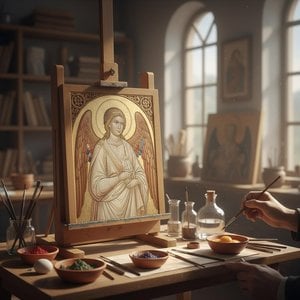
Unveil the sacred secrets of egg tempera on panel. Journey through the technical mastery and profound artistry of the Old Masters, from Giotto to Botticelli. An essential educational guide for Renaissance art enthusiasts seeking deep historical insight and expertise.


 미리보기
미리보기
 공유하기
공유하기 공유하기
공유하기
 상세 정보
상세 정보

 다운로드
다운로드
 유사 작품
유사 작품 X-레이
X-레이 슬라이드 쇼
 더 보기
더 보기









 유리 옵션은 110cm 미만 크기에서만 선택 가능합니다.


