

 Oil On CanvasWallArtBaroque
 115.0 x 87.0 cm
 휴스턴 미술관
빠른 제작과 다양한 마감 옵션을 선택할 수 있는 박물관 수준의 지클레이 및 캔버스 프린트. ( 수작업 채색 복제본 주문하기 디지털 이미지 판매 채널로 전환)





























작품의 원본 비율을 그대로 유지하는 프리셋 사이즈 중에서 선택해 보세요.

특정 프레임이나 공간에 맞춰 직접 치수를 입력하실 수 있습니다. 선택하신 사이즈가 원본 이미지의 비율과 일치하지 않을 경우, 작품을 크롭(자르기)하거나 이미지를 대칭 또는 단색 채우기로 확장하여 제작합니다. 제작 시작 전, 최종 확인을 위해 디지털 목업이 전송됩니다.
화면상의 미리보기는 실제 크롭이나 확장 상태를 반영하지 않으므로, 최종 구도는 오직 목업을 통해서만 정확하게 확인하실 수 있습니다.
맞춤 사이즈 제작도 가능하지만, 원본 비율을 유지하기 위해서는 사전 정의된 목록에서 치수를 선택하시는 것을 권장합니다.

The Penitent Magdalen
복제본 규격
Philippe de Champaigne’s “The Penitent Magdalen” is not merely a depiction of a biblical scene; it's an immersion into the depths of human sorrow, faith, and ultimately, redemption. Painted around 1648 during a period when French art was grappling with the complexities of Jansenism – a devout Catholic movement emphasizing rigorous self-discipline and spiritual introspection – this work transcends simple religious illustration to become a powerful meditation on repentance and inner turmoil. The painting immediately commands attention through its masterful use of chiaroscuro, a technique perfected by de Champaigne himself, where stark contrasts between light and shadow sculpt the figure of Mary Magdalene with an almost sculptural intensity.
The composition is deliberately restrained, focusing entirely on the central figure within a dark, undefined space. This isolation amplifies her vulnerability and intensifies the viewer’s emotional connection. Her posture – arms crossed tightly across her body, head bowed in quiet despair – speaks volumes of past transgressions and present anguish. The subtle details—the delicate folds of her blue garment, the sorrowful curve of her neck, the almost palpable weight of her grief—are rendered with an astonishing level of realism, achieved through meticulous observation and a deep understanding of human anatomy. De Champaigne’s skill lies not just in capturing physical likeness but also in conveying the profound emotional state of his subject.
Beyond its immediate visual impact, “The Penitent Magdalen” is rich with symbolic meaning. The skull, positioned prominently at Mary Magdalene’s feet, serves as a stark reminder of mortality and the consequences of sin. It's not presented in a gruesome or overtly dramatic manner; rather, it exists almost as an understated punctuation mark, emphasizing the fragility of life and the weight of her past actions. The open book, partially visible beneath her arm, represents knowledge, scripture, and the path to spiritual enlightenment – suggesting that repentance is not merely about acknowledging wrongdoing but also about seeking forgiveness and striving for a deeper understanding of faith.
Furthermore, the setting itself contributes significantly to the painting’s symbolic weight. The dark, cavernous space evokes a sense of isolation and introspection, mirroring Mary Magdalene's internal struggle. It’s reminiscent of the grotto where she is believed to have sought refuge after her encounter with Jesus, symbolizing a retreat into solitude for reflection and spiritual renewal. The muted color palette – dominated by blues, browns, and grays – reinforces this atmosphere of solemnity and contemplation.
Philippe de Champaigne’s “The Penitent Magdalen” stands as a testament to the power of Baroque art to evoke profound emotional responses. Influenced by his apprenticeship with Nicolas Poussin, he skillfully blended classical compositional principles with a heightened sense of drama and realism. The painting's enduring appeal lies in its ability to resonate with viewers across centuries – a timeless portrayal of human suffering, faith, and the possibility of redemption. It’s a work that invites contemplation, prompting us to consider our own struggles with guilt, forgiveness, and the search for meaning in a world often marked by sorrow.
Originally commissioned for a Parisian convent, this painting served as a visual reminder of the importance of piety and repentance within the religious community. Today, reproductions offer a window into this remarkable work, allowing us to appreciate de Champaigne’s technical brilliance and his profound understanding of the human condition. Its somber beauty continues to captivate and inspire, solidifying its place as a cornerstone of French Baroque art.


1602 - 1674 , 네덜란드

고야의 걸작 25선을 만나보세요. 스페인 화가 Francisco Goya의 낭만주의 회화, 어두운 색조와 강렬한 감성이 담긴 명화를 WahooArt에서 감상하세요. 고품질 유화 복제본으로 예술 작품을 소장하고 홈 데코를 완성해보세요! 지금 바로 컬렉션을 탐험하세요.

Discover our story! We bring world-class art into your life through expert curation, personalized creations, and free previews. Trusted by individuals and businesses since 2000.
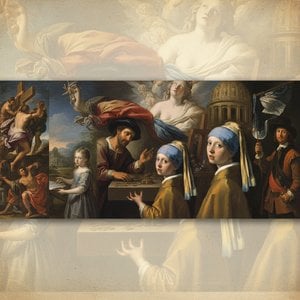
화려함과 극적인 표현이 압권! 바로크 미술을 대표하는 10대 걸작의 숨겨진 이야기를 만나보세요. 베르니니, 루벤스 등 거장의 작품부터 바로크 색감, 예술적 기법까지 – WahooArt.com에서 명품 복제 & 인테리어 영감을 얻으세요! 지금 바로 컬렉션을 탐험해보세요.

Explore the dramatic world of Spanish Baroque art! Discover masters like Zurbarán & the powerful influence of religious zeal on painting techniques – a guide for collectors and enthusiasts.

Explore the dramatic world of Baroque art! Discover iconic artists like Caravaggio & Rubens, defining techniques, and its lasting impact on art history. Expert insights for collectors & enthusiasts at WahooArt.

 실제 크기로 보기
 보내기
보내기 공유하기
공유하기
 상세 보기
상세 보기 가이드 보기

 이미지 다운로드
 유사 작품 더 보기
 X-레이
X-레이 슬라이드 쇼 보기
 통계 정보
통계 정보 상세 보기
상세 보기









 유리 옵션은 110cm 미만 크기에서만 선택 가능합니다.


