


빠른 제작과 다양한 마감 옵션을 제공하는 박물관 수준의 지클레이 및 캔버스 프린트. ( 수작업 채색 복제본 주문하기 디지털 이미지로 전환)





























작품의 원본 비율을 그대로 유지하는 프리셋 사이즈 중에서 선택해 보세요.

액자나 벽면 크기에 맞춰 필요한 가로와 세로 길이를 입력해 주세요. 프린트는 원본 이미지보다 크게 제작할 수 없으며 오직 자르는 것만 가능하므로, 비율이 다른 사이즈를 선택할 경우 이미지의 일부가 잘려 나갈 수 있습니다. 인쇄 작업에 들어가기 전, 최종 확인을 위해 디지털 목업을 보내드립니다. 이 페이지에 표시된 이미지는 실제 잘리는 영역을 나타내지 않으며, 오직 목업을 통해서만 정확한 확인이 가능합니다.
The Lamentation
복제본 크기
In the quiet corridors of the Metropolitan Museum of Art, there exists a small, intimate window into the profound depths of human sorrow and spiritual devotion. The Lamentation, a masterpiece by the Early Netherlandish master Petrus Christus, is far more than a mere depiction of a biblical event; it is a visceral meditation on grief that has resonated through the centuries. Painted around 1450, this tempera on panel work captures the heavy, breathless moment following the crucifixion, where the weight of loss meets the hope of divine compassion. For the discerning collector or lover of Renaissance art, this piece offers an unparalleled opportunity to possess a fragment of the Northern Renaissance's most tender emotional landscape.
The composition is deceptively simple yet intellectually dense. At its heart lies the broken body of Jesus Christ, resting upon a cloth that bears the unmistakable marks of his passion. Surrounding him, a small group of mourners is gathered in a tight, intimate circle, their faces etched with a realism that transcends the boundaries of time. The artist’s ability to capture the subtle nuances of mourning—the slumped shoulders, the downcast eyes, and the heavy stillness of the air—creates an atmosphere so palpable that the viewer feels less like an observer and more like a silent participant in this sacred vigil.
Emerging from the vibrant artistic hub of Bruges, Petrus Christus was a successor to the legendary Jan van Eyck, yet he brought a unique, revolutionary clarity to the medium. In The Lamentation, we witness his brilliant command of linear perspective, a technique that allows the viewer to peer through the foreground scene into a meticulously rendered outdoor setting. This spatial depth creates an illusionistic window, pulling the eye past the central tragedy toward a distant landscape where trees and a fortress-like structure stand under a somber sky. This mastery of space provides a sense of cosmic scale to the intimate human drama unfolding in the foreground.
The color palette is a masterclass in color harmony and emotional restraint. Christus avoids garish hues, opting instead for a sophisticated arrangement of earthy tones—deep ochres, rich umbers, and muted crimsons. These colors do not merely decorate the scene; they anchor it in a sense of gravity and solemnity. The strategic use of red accents on the garments of certain figures serves as a visual heartbeat within the composition, drawing attention to the importance of specific mourners while simultaneously symbolizing the blood of the sacrifice. For those looking to integrate such a piece into a curated interior, its subdued palette offers a sophisticated anchor that complements both classical and contemporary decor.
Every element within this small panel is imbued with profound symbolic meaning, designed to guide the viewer toward contemplatio—a state of deep, prayerful meditation. The presence of a skull near the central figure serves as a stark memento mori, a reminder of mortality that balances the divine significance of the scene with the harsh reality of human existence. This interplay between the temporal and the eternal is what gives the work its enduring power. The meticulous detail in the textures—the heavy folds of medieval robes, the grain of the wood, and the soft light hitting the skin—serves to ground these high theological concepts in a tangible, recognizable world.
To bring a hand-painted reproduction of The Lamentation into one's home is to invite a conversation about empathy, history, and the resilience of the human spirit. It is an ideal selection for interior designers seeking to add a layer of intellectual depth and emotional resonance to a space, or for collectors who value the meticulous craftsmanship of the Flemish tradition. This artwork does not merely decorate a wall; it commands a moment of reflection, offering a timeless sanctuary of beauty amidst the chaos of the modern world.
"The Lamentation"은 벨기에 출신의 페트루스 크리스트우스가 Northern Renaissance 운동의 흐름 속에서 제작한 작품입니다. 작가의 출신 배경은 이 작품을 벨기에 예술가들이 선보인 Northern Renaissance 양식과 연결해 줍니다.
페트루스 크리스트우스의 "The Lamentation"의 디지털 이미지는 다음의 디지털 이미지 파일 페이지에서 구매하실 수 있습니다: 고해상도 디지털 이미지 다운로드.
페트루스 크리스트우스의 "The Lamentation"은(는) Accent(을)를 위해 추천되며, Living Room에 배치하기에 가장 이상적입니다. 용도와 공간 정보를 참고하여 작품의 최적의 위치를 찾아보세요.

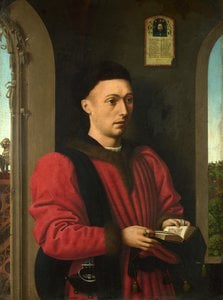
1465 - 1476 , 벨기에

Discover the unparalleled elegance of WahooArt’s premium hand-painted oil reproductions. From bespoke portraits to museum-quality masterpieces, our expert artists transform visions into timeless legacies with 100% satisfaction guaranteed. Elevate your collection with true artistry.
 미리보기
미리보기
 공유하기
공유하기 공유하기
공유하기
 상세 정보
상세 정보 가이드 보기

 다운로드
다운로드
 유사 작품 더 보기
 X-레이
X-레이 슬라이드 쇼 보기
 질의응답
질의응답
 통계 정보
통계 정보


 더 보기
더 보기









 유리 옵션은 110cm 미만 크기에서만 선택 가능합니다.


