Oil On CanvasWallArtEarly Netherlandish Painting
 1450Renaissance
 14.0 x 19.0 cm
 슈테델 미술관
빠른 제작과 다양한 마감 옵션을 선택할 수 있는 박물관 수준의 지클레이 및 캔버스 프린트. ( 수작업 채색 복제본 주문하기 디지털 이미지 판매 채널로 전환)





























작품의 원본 비율을 그대로 유지하는 프리셋 사이즈 중에서 선택해 보세요.

특정 프레임이나 공간에 맞춰 직접 치수를 입력하실 수 있습니다. 선택하신 사이즈가 원본 이미지의 비율과 일치하지 않을 경우, 작품을 크롭(자르기)하거나 이미지를 대칭 또는 단색 채우기로 확장하여 제작합니다. 제작 시작 전, 최종 확인을 위해 디지털 목업이 전송됩니다.
화면상의 미리보기는 실제 크롭이나 확장 상태를 반영하지 않으므로, 최종 구도는 오직 목업을 통해서만 정확하게 확인하실 수 있습니다.
맞춤 사이즈 제작도 가능하지만, 원본 비율을 유지하기 위해서는 사전 정의된 목록에서 치수를 선택하시는 것을 권장합니다.

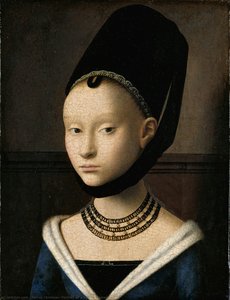
The Falconer
복제본 규격
Petrus Christus's “The Falconer,” painted around 1450, is more than just a depiction of a man with a falcon; it’s a meticulously crafted window into the burgeoning artistic landscape of Bruges during the early 15th century. Measuring a modest 14 x 19 cm, this intimate painting reveals the remarkable skill and observational acuity of its creator, a young master emerging from the workshops of the era's most celebrated painters.
The subject himself – a falconer – immediately evokes associations with nobility and status. The man’s attire, a richly textured robe, speaks to his position, while the bird itself, perched confidently on his arm, is a symbol of both skill and dominion. Christus's handling of this seemingly simple scene demonstrates an extraordinary attention to detail. The falcon’s feathers are rendered with astonishing realism, capturing the texture and movement of its plumage – a hallmark of the Flemish school’s pioneering use of oil paint, allowing for nuanced shading and luminous effects that were revolutionary at the time.
Christus was a key figure in the transition from the more stylized approaches of earlier Gothic painting to the burgeoning realism championed by artists like Jan van Eyck. His use of oil paint, though still relatively new, is evident in the subtle gradations of light and shadow that define the man’s face and clothing. The artist's meticulous attention to detail – the folds of the robe, the texture of the fur hat, the precise rendering of the falcon’s eye – demonstrates a deep understanding of human anatomy and animal form. This level of realism was not merely decorative; it reflected a growing intellectual interest in observing and accurately representing the world around him.
The painting's scale further contributes to its impact. Its small size invites close scrutiny, encouraging the viewer to appreciate the artist’s painstaking work and the intricate details that he has brought to life. The composition is balanced and harmonious, drawing the eye naturally from the falconer’s face to the bird itself, creating a sense of quiet contemplation.
"The Falconer" was created in Bruges, a thriving center of commerce and art during this period. Bruges was experiencing a cultural renaissance fueled by wealthy merchants and guilds who commissioned ambitious works of art. The falcon itself held symbolic significance – representing courage, nobility, and the ability to soar above earthly concerns. Christus’s work reflects the humanist values emerging at the time, emphasizing observation, reason, and an appreciation for beauty.
Painted in 1450, this artwork represents a pivotal moment in art history, bridging the gap between medieval artistic conventions and the burgeoning ideals of the Renaissance. Its creation marks the rise of a new generation of Flemish artists who would shape the course of European painting for centuries to come.

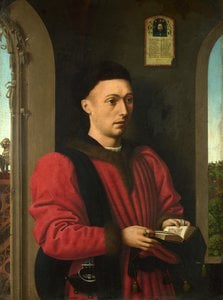
1465 - 1476 , 벨기에

Discover the distinction between WahooArt's hand-painted oil masterpieces and archival Giclée prints. An expert guide for elite collectors evaluating texture, longevity, and bespoke customization for their private art collections.

Master the nuances of Giclée printing with our expert guide. Discover how pigment-based inks and museum-grade substrates create fade-resistant, high-fidelity art reproductions designed for discerning collectors seeking unparalleled quality and longevity.
Discover the distinction between WahooArt's hand-painted oil reproductions and archival Giclée prints. An expert guide for elite collectors seeking texture, depth, and museum-quality excellence for their private collections.

Unlock your creative potential with WahooArt. Learn how to scale your art business through our automated print and premium oil reproduction services, transforming your original works into a global, passive income stream without compromising academic excellence.

 실제 크기로 보기
 보내기
보내기 공유하기
공유하기
 상세 보기
상세 보기 가이드 보기

 이미지 다운로드
 유사 작품 더 보기
 X-레이
X-레이 슬라이드 쇼 보기
 통계 정보
통계 정보 상세 보기
상세 보기









 유리 옵션은 110cm 미만 크기에서만 선택 가능합니다.