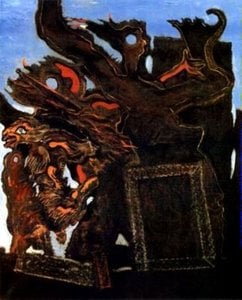
Peter The Elder Vischer의 King Arthur (1513), 거장 화가가 손으로 직접 그린 유화 복제화
미리보기 AR로 미리보기 프린트 판매로 전환 디지털 이미지로 전환 공유하기
상세 정보 가이드 보기 즐겨찾기에 추가 다운로드 유사 작품 더 보기 X-레이 슬라이드 쇼 보기 질의응답 Presentation 통계 정보

King Arthur 수작업으로 그린 유화 복제화

Explore the art of Peter the Elder Vischer (1460-1529), a Nuremberg painter known for religious scenes, portraits & King Arthur depictions. Discover his legacy!

핸드메이드 유화 복제화

작가가 직접 캔버스에 손으로 그린 유화 작품으로, 원하는 크기와 액자로 맞춤 제작해 드립니다. ( 프린트 판매로 전환 디지털 이미지로 전환)

표준 규격
맞춤형
CM
INCH

작품의 원본 비율을 그대로 유지하는 프리셋 사이즈 중에서 선택해 보세요.

가로 너비
세로 길이

액자나 벽면 크기에 맞춰 필요한 가로와 세로 길이를 입력해 주세요. 본 작품은 수작업으로 제작되므로, 요청하신 비율에 따라 작가가 그림의 가장자리를 조금 더 넓게 그리거나 일부를 조정하여 작업할 수 있습니다. 작업 시작 전, 최종 확인을 위해 디지털 목업 이미지를 보내드립니다. 이 페이지에 표시된 이미지는 실제 결과물과 다를 수 있으며, 오직 목업 이미지만이 정확한 결과물을 보여줍니다.

변경 가능한 예시: 고객님의 사진으로 얼굴 교체, 반려동물 추가(예: 고양이를 강아지로 변경), 배경에 숨겨진 메시지 삽입, 배경 풍경 또는 요소 변경 등
주문 완료 후 WahooArt.com 팀에서 상세 안내를 위해 고객님께 이메일을 보내드리며, 미리보기 시안을 함께 제공해 드립니다.

전 세계 배송()은 표준 5주 대신 3~4주 내에 완료됩니다. (5 11월). 품질에는 어떠한 타협도 하지 않습니다.

전 세계 무료 특급 배송
프리미엄 린넨 캔버스
배송 전 과정 보험 적용
관세 및 수입세 환급 보장 서비스
원본과 동일한 색상 구현 보장
100일 이내 반품 정책 (결함 발생 시)
100% 환불 보장
다량 구매 할인 혜택

총 결제 금액

₩ 364222

King Arthur

재현 기법

복제본 크기

-

최종 결제 금액

₩ 364222


작가 정보

The Bronze Legacy of Nuremberg: The Life and Art of Peter Vischer the Elder

In the heart of Nuremberg, a city that pulsed with the creative energy of the late Middle Ages, the name Vischer became synonymous with the very essence of metalwork and sculptural mastery. Born around 1460, Peter Vischer the Elder did not merely practice an art; he inherited a profound lineage of craftsmanship. As the son of Hermann Vischer the Elder, Peter was raised within the rhythmic clang of the family foundry, a place where the molten breath of bronze met the meticulous precision of German engineering. This familial foundation provided him with more than just technical skill; it instilled in him an artistic ethos that viewed sculpture as a bridge between the earthly weight of metal and the divine aspirations of the soul.

The era in which Vischer worked was one of profound cultural metamorphosis, a period where the intricate, emotive shadows of the Gothic tradition began to dance with the balanced, rational light of the Renaissance. Peter stood at this historic crossroads, acting as a master weaver of styles. His early development was deeply rooted in the expressive dynamism and ornamental complexity characteristic of German Gothic art. Yet, as his reputation grew, so too did his appetite for the burgeoning Renaissance ideals flowing from the south. He possessed a rare ability to maintain the spiritual intensity of the North while embracing the geometric harmony and refined surface treatments that defined the new age.

Masterpieces in Bronze and the Spirit of Devotion

The true magnitude of Vischer’s genius is perhaps most breathtakingly realized in his monumental contributions to Nuremberg's sacred spaces. His most enduring triumph, the Tomb of Saint Sebaldus at St. Lorenz Church, remains a pinnacle of sculptural achievement. This ambitious undertaking, which spanned decades of labor, serves as a profound testament to his ability to command both scale and detail. The tomb’s intricate bronze grille is not merely a barrier but a narrative masterpiece, populated by a celestial assembly of biblical figures and saints that seem to emerge from the metal itself. In this work, one can witness the seamless fusion of Gothic ornamentation with a new, Renaissance-inspired sense of proportion and grace.

Beyond the monumental, Vischer’s hand is felt in works of intimate, piercing beauty. His smaller bronze figures, such as the evocative Kneeling Man, demonstrate a mastery over the medium that captures the delicate nuances of human emotion and physical presence. These works reflect a deep understanding of how light interacts with textured bronze, creating a sense of life that transcends the coldness of the material. His ability to imbue metal with breath and movement allowed him to capture the fleeting moments of prayer and contemplation, making the divine feel tangibly present to the viewer.

Royal Patronage and Historical Significance

The reach of Peter Vischer’s talent extended far beyond the walls of Nuremberg, attracting the gaze of the most powerful figures in Europe. His skill earned him the prestigious patronage of Emperor Maximilian I, a relationship that elevated his status from a local master to an artist of imperial importance. Under this royal mantle, Vischer was commissioned to create magnificent bronze sculptures, including works like the Tomb of Maximilian I: King Arthur, which showcased his ability to weave legendary and historical narratives into the very fabric of monumental art. This patronage ensured that his workshop became a beacon of excellence, influencing generations of sculptors and brass founders.

The historical significance of Peter Vischer the Elder lies in his role as a cultural conduit. He was a pivotal figure who helped navigate the transition from the medieval to the modern artistic consciousness. While much of his work is celebrated for its technical perfection, its true value resides in its ability to embody the tension and the eventual harmony between two eras. Through his dedication to the Vischer family legacy and his fearless embrace of innovation, he left behind a bronze record of an age in flux—a legacy that continues to resonate with the grandeur of Nuremberg’s golden age.

Peter The Elder Vischer

Peter The Elder Vischer

1460 - 1529 , Germany

작가 정보 요약

  • Full Name: Peter Vischer the Elder
  • Nationality: German
  • Date Of Birth: 1460
  • Date Of Death: 1529
  • Place Of Birth: Nuremberg, Germany
  • Notable Artworks:
    • Saint George and the dragon
    • High Altar of St. Mary
  • Artistic Movement Or Style: Renaissance
  • Artists Who Influenced This Artist:
    • Stephan Lochner
    • Andrea del Castagno
  • Artists Or Movements Influenced By This Artist: ['International Gothic']