SculptureSculptureContemporary Art
 2004Contemporary
 510.0 x 670.0 cm
 Rede Portuguesa de Arte Contemporânea a Norte
이 페이지에 표시된 작품은 저작권법의 보호를 받으며, 이에 따라 동일한 복제품을 제작하거나 판매하는 것은 법으로 금지되어 있습니다. 이러한 권리 보호는 다음과 같은 국제 협약에 따라 시행됩니다. 베른 협약 또한 다음에서 명시하는 법률을 포함한 국내법에 의해 보호됩니다. 미국 저작권법 제17조.
이 방식은 저작권 보호를 받는 예술 작품을 복제하거나 그대로 재현하는 것이 아니기에 저작권 규정을 완벽히 준수합니다. 대신, 이는 창의적인 재해석의 과정을 거칩니다. 즉, 원작에서 영감을 받되 원작과 동일하지 않은 새로운 회화 작품을 의미합니다.
빠른 제작과 다양한 마감 옵션을 선택할 수 있는 박물관 수준의 지클레이 및 캔버스 프린트. ( 수작업 채색 복제본 주문하기 디지털 이미지 판매 채널로 전환)
작품의 원본 비율을 그대로 유지하는 프리셋 사이즈 중에서 선택해 보세요.

특정 프레임이나 공간에 맞춰 직접 치수를 입력하실 수 있습니다. 선택하신 사이즈가 원본 이미지의 비율과 일치하지 않을 경우, 작품을 크롭(자르기)하거나 이미지를 대칭 또는 단색 채우기로 확장하여 제작합니다. 제작 시작 전, 최종 확인을 위해 디지털 목업이 전송됩니다.
화면상의 미리보기는 실제 크롭이나 확장 상태를 반영하지 않으므로, 최종 구도는 오직 목업을 통해서만 정확하게 확인하실 수 있습니다.
맞춤 사이즈 제작도 가능하지만, 원본 비율을 유지하기 위해서는 사전 정의된 목록에서 치수를 선택하시는 것을 권장합니다.
Untitled
복제본 규격
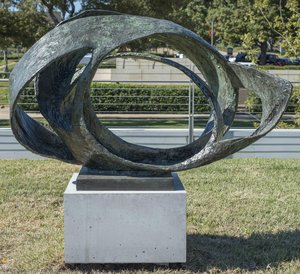
In the quiet expanse of a verdant landscape, where the soft textures of grass meet the distant silhouette of trees, stands a monumental testament to contemporary industrial vision. Peter Klasen’s Untitled (2004) is not merely a sculpture; it is a profound dialogue between the organic world and the rigid precision of human engineering. At first glance, the viewer is struck by the striking, blue-hued form that rises from the earth like a celestial umbrella, its metallic skin catching the light in a way that bridges the gap between the terrestrial and the ethereal. This massive installation, measuring an imposing 510 x 670 cm, commands the space around it, transforming a simple meadow into a stage for high-concept urban art.
The sculpture serves as a masterclass in the interplay of color and texture. While the primary structure evokes the cool, tranquil tones of a summer sky, the underlying essence of the work is rooted in the grit of industrial reality. Klasen, a pioneer known for his ability to translate technological advancement into visual language, utilizes steel and abstract geometric forms to create a sense of structured tension. The piece oscillates between being an object of protection—resembling a sheltering canopy—and a symbol of technological intrusion. For the discerning collector or interior designer, this work offers a captivating focal point that brings a sophisticated, avant-garde energy to any curated space, suggesting a narrative of modern progress and structural elegance.
To understand the emotional weight of Untitled, one must look toward Klasen’s broader artistic legacy. As an artist who has spent decades exploring the fragmented relationship between humanity and the machine, this sculpture represents a moment of unexpected harmony. Unlike his more unsettling depictions of disconnected bodies and cold machinery, this work allows for a certain level of atmospheric grace. The way the metallic surfaces reflect the surrounding environment—the movement of clouds, the swaying of trees, and even the presence of the distant, mundane world of parked cars and park benches—integrates the sculpture into the very fabric of the landscape.
There is a profound symbolism at play in this encounter between the manufactured and the natural. The blue, umbrella-like silhouette acts as a metaphor for the human desire to create shelter and order within the wildness of nature. It invites the observer to pause, much like the bench situated nearby, and contemplate our place within an increasingly technological era. For those seeking to incorporate art into a modern interior, a high-quality reproduction of this piece provides more than just decoration; it offers a window into a complex philosophical inquiry regarding how we inhabit a world shaped by both biological instinct and industrial innovation.
For the art enthusiast or the professional decorator, Untitled presents an unparalleled opportunity to introduce a sense of scale and intellectual depth to a room. The sculpture’s ability to evoke both the vastness of an outdoor installation and the intimate details of its textured surface makes it a versatile masterpiece. Whether placed in a minimalist gallery setting or as a bold statement piece in a contemporary living space, the work stimulates conversation and invites prolonged contemplation.
Owning a reproduction of such a significant work by Peter Klasen allows one to capture the essence of 21st-century abstraction. It is an investment in a legacy of photorealistic industrial art that challenges the boundaries of what we perceive as beauty. Through its bold use of color, its monumental presence, and its seamless blend of industrial steel with abstract form, this piece remains a timeless icon of contemporary sculptural achievement.
Peter Klasen은(는) 69세에 "Untitled"을(를) 제작했습니다. 작가는 1935년에 태어났으며, 이 작품의 제작 연도는 2004년입니다.
"Untitled"의 작가는 Peter Klasen입니다.
"Untitled"은(는) 2004년에 제작되었습니다. 이 시기는 Peter Klasen의 예술적 경력과 당시의 시대상을 잘 보여줍니다.
"Untitled"의 색채 강도는 Balanced입니다. 강도는 색상이 얼마나 선명하게 보이는지를 나타냅니다.
Peter Klasen의 "Untitled"은(는) Coworking에 추천하는 작품입니다. 이 제안은 작품의 주제, 색상 및 분위기를 바탕으로 합니다.
"Untitled"에서는 Gentle 대비와 Discordant Palette 조화가 어우러져 있습니다.
"Untitled" 프린트의 권장 용도는 Focal입니다.

Born in the historic German city of Lübeck on August 18, 1935, Peter Klasen emerged as a profound witness to the transformations of the twentieth century. His early life was steeped in an environment sensitive to the arts; he grew up in a family where creative inclinations were nurtured, boasting an uncle who was a pupil of the legendary expressionist Otto Dix and a grandfather who served as a dedicated patron of art. This rich lineage provided the fertile soil from which his complex artistic vision would grow. Between 1956 and 1959, Klasen refined his technical prowess at the avant-garde Berlin University of the Arts, an experience that laid the groundwork for his later explorations into the friction between humanity and the machine.
Following his studies, a scholarship granted him passage to Paris in 1959, a move that would expand his horizons beyond German borders. It was during the 1960s that Klasen established himself as a pivotal figure in the Nouvelle Figuration, or Narrative Figuration, movement. This era marked the beginning of his lifelong interrogation of the modern landscape. He did not merely paint scenes; he constructed visual metaphors that critiqued the rapid standardization of Western society. His work began to capture the signs of our urban existence, utilizing the language of mass media to condemn the creeping uniformity of a consumer-driven world.
As his career progressed into the 1970s, Klasen achieved international renown through his groundbreaking "binary paintings." These works are characterized by a haunting tension, often presenting a stark opposition between fragments of the human body and industrial or commercial objects. Through this technique, he explored the profound anxiety of a contemporary society split between the concept of being and the impulse of having. His canvases became battlegrounds where the sensuality of the human form collided with the cold, often "disgusting" reality of industrial progress.
His mastery of photorealism serves as more than a technical feat; it is a deliberate tool for confrontation. By rendering factories, workshops, and technological advancements with breathtaking precision, he forces the viewer to confront the dehumanizing effects of mass production. In his most evocative works, the human figure often appears fragmented or intertwined with machinery, existing within environments that feel devoid of warmth or organic connection. This meticulous detail serves to highlight the hostility of the modern city, where the individual is frequently reduced to a mere commodity within a larger, impersonal system.
The significance of Peter Klasen’s contribution to modern art lies in his ability to translate the complexities of technological advancement into a visceral visual language. His work transcends simple representation, acting as a sociological critique of the late twentieth century. Whether through his expansive paintings or his striking industrial sculptures—which utilize materials like steel, aluminum, and vibrant orange accents to evoke urban installations—Klasen remains a master of contrast.
His enduring impact can be summarized through several key artistic pillars:
Today, Klasen stands as a pioneer whose work continues to resonate in an era still grappling with the consequences of digital and industrial saturation. He remains an essential voice for anyone seeking to understand the intersection of human identity and the relentless march of progress.

1935 - , Germany

Discover the enduring allure of metal art. Explore how masterfully forged sculptures blend industrial strength with organic elegance to create timeless investment pieces for sophisticated collectors and luxury interiors.

 보내기
보내기 공유하기
공유하기
 상세 보기
상세 보기 가이드 보기

 이미지 다운로드
 유사 작품 더 보기
 슬라이드 쇼 보기
 통계 정보
통계 정보 상세 보기
상세 보기






































 유리 옵션은 110cm 미만 크기에서만 선택 가능합니다.