
빠른 제작과 다양한 마감 옵션을 제공하는 박물관 품질의 지클레이 또는 캔버스 프린트. ( 손으로 그린 그림 구매 디지털 이미지로 전환)





























작품의 원본 비율을 유지하는 미리 설정된 크기 중에서 선택하세요.

특정 프레임이나 공간에 맞춰 직접 치수를 입력하실 수 있습니다. 선택하신 사이즈가 원본 이미지의 비율과 일치하지 않을 경우, 작품을 크롭(자르기)하거나 이미지를 대칭 또는 단색 채우기로 확장하여 제작합니다. 제작 시작 전, 최종 확인을 위해 디지털 목업이 전송됩니다.
화면상의 미리보기는 실제 크롭이나 확장 상태를 반영하지 않으므로, 최종 구도는 오직 목업을 통해서만 정확하게 확인하실 수 있습니다.
맞춤 사이즈 제작도 가능하지만, 원본 비율을 유지하기 위해서는 사전 정의된 목록에서 치수를 선택하시는 것을 권장합니다.

Ferrying of Cattle
복제본 크기
In the delicate, monochromatic realm of Peter Antony Moran’s "Ferrying of Cattle," we are invited into a moment of profound stillness captured in 1890. This evocative work serves as a window into a bygone era, where the rhythm of life was dictated by the gentle flow of water and the seasonal movement of livestock. The painting depicts a group of figures navigating a canoe across a tranquil expanse, their silhouettes etched against the soft light of the water. There is an undeniable sense of communal purpose within the scene; as individuals sit, kneel, and stand within the vessel, they are not merely transporting cattle, but are participating in a timeless ritual of survival and connection to the land.
The composition draws the eye through a masterful use of depth, leading the viewer from the intimate details of the central boat toward a secondary vessel drifting near the periphery. This layering creates a sense of a larger, living world existing just beyond the frame. The absence of color directs all focus to the interplay of light and shadow, allowing the textures of the water and the subtle forms of the passengers to emerge with a ghostly, nostalgic clarity. It is a scene that breathes with a quiet dignity, capturing the essence of a way of life that felt deeply integrated with the natural environment.
Technically, Moran utilizes a monochromatic palette to strip away the distractions of hue, leaving only the raw emotional resonance of form. The artist’s ability to render the subtle ripples of the water and the weight of the figures within the boat demonstrates a sophisticated command over tonal range. Each stroke contributes to an atmosphere of serenity, where the boundaries between the sky, the water, and the human element seem to soften into a singular, cohesive memory. For the discerning collector or interior designer, this piece offers a sophisticated focal point that brings a sense of historical weight and contemplative calm to any space.
Beyond its visual beauty, "Ferrying of Cattle" carries a deep symbolic resonance. The act of ferrying—of moving life from one shore to another—serves as a metaphor for transition, endurance, and the steady progression of time. There is a spiritual undertone present in the work, perhaps reflecting Moran’s own unique background where the boundaries between the sacred and the natural world often blurred. To display such a reproduction is to invite a sense of peace and historical continuity into a modern interior, providing a sophisticated anchor that celebrates the enduring strength of human community and our ancestral ties to the earth.

The life of Peter Antony Moran (1935–2014) stands as a profound testament to the harmony that can exist between spiritual duty and creative passion. Born in the historic city of Glasgow, Scotland, Moran’s journey was defined by two seemingly disparate callings: the solemn responsibilities of a Roman Catholic bishop and the delicate, observant practice of a painter. His early years at St Aloylius' College, a Jesuit institution, laid a foundation of intellectual rigor and moral depth that would later permeate his artistic sensibilities. This period of formation, characterized by an appreciation for classical storytelling and structural integrity, provided the essential scaffolding for a life spent contemplating both the divine and the natural world.
Moran’s academic path was as diverse as his interests, leading him from the Pontifical Scots College in Rome to the University of Aberdeen. His studies in classics grounded his understanding of composition and narrative, allowing him to approach the canvas with a scholar's eye for detail. As he moved through his ecclesiastical career, eventually serving as the Bishop of Aberdeen, his art became a quiet sanctuary—a space where the grandeur of the landscape and the intimate nuances of wildlife could be explored without the constraints of liturgical formality. His work does not merely depict subjects; it seeks to capture the very essence of existence, bridging the gap between the earthly and the eternal.
In the realm of visual expression, Moran developed a style marked by meticulous observation and a masterful command of texture. He was deeply influenced by the lineage of Scottish art, drawing inspiration from figures such as Joseph Crawhall and Dante Gabriel Rossetti. From these masters, he inherited a respect for the subtle interplay of light and shadow and a commitment to capturing the emotional resonance of a scene. His technique often relied on the careful layering of color and tone to evoke a sense of atmosphere, whether he was rendering the stillness of a riverbank or the rugged beauty of the Scottish wilderness.
His oeuvre is characterized by a remarkable ability to find poetry in the mundane. In his landscapes, one finds a rhythmic quality that mirrors the seasonal cycles of nature, while his wildlife studies possess a quiet dignity that invites deep contemplation. The influence of Contemporary Realism is evident in his dedication to accuracy, yet there is always an underlying layer of emotive depth that transcends mere documentation. Collectors and admirers often find themselves drawn to the way his brushwork conveys a sense of peace, reflecting the inner harmony he sought to maintain throughout his dual vocation.
The significance of Moran’s contribution to art lies in his ability to weave together the threads of faith, history, and nature. His works serve as windows into both personal reflection and historical memory. Some of the most evocative themes found within his collection include:
Though he prioritized his duties within the Church, Moran’s artistic legacy remains an indelible part of the Scottish art narrative. His ability to translate the complexities of the human soul into the tangible textures of oil and pigment ensures that his vision continues to resonate. Through his canvases, the boundaries between the sacred and the secular dissolve, leaving behind a body of work that celebrates the enduring beauty of the world we inhabit.

1935 - 2014 , United Kingdom

Embark on a visual journey through Claude Monet's most iconic water lily masterpieces. Discover the profound beauty of Impressionism, explore the evolution of Giverny's light, and learn how to bring these serene, museum-quality landscapes into your private collection.
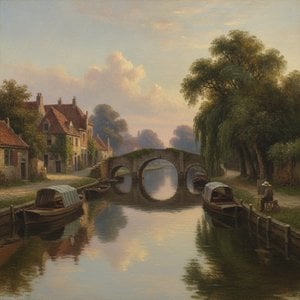
Embark on a visual journey through the tranquil beauty of canal scenes in fine art. Discover how master painters capture light, reflection, and serenity through impressionistic landscapes and timeless maritime masterpieces.

Embark on a visual journey through the serene mastery of lake scene landscapes. Explore the profound beauty of Impressionist, Romantic, and Luminist oil paintings, curated for the sophisticated collector seeking timeless tranquility and artistic excellence.

Elevate your most cherished memories with WahooArt’s bespoke service. We transform your personal photos into breathtaking, hand-painted black & white oil masterpieces. Experience museum-quality craftsmanship and timeless elegance for your private collection. Discover the art of legacy.

Explore the profound artistry of black and white photography. From historical mastery to the interplay of light and shadow, discover how monochrome captures timeless emotion and form through a sophisticated lens of art history.


 미리보기
미리보기
 공유하기
공유하기 공유하기
공유하기
 상세 정보
상세 정보

 다운로드
다운로드
 유사 작품
유사 작품 X-레이
X-레이 슬라이드 쇼
 통계 정보
통계 정보


 더 보기
더 보기









 유리 옵션은 110cm 미만 크기에서만 선택 가능합니다.


