


작품의 원본 비율을 유지하는 미리 설정된 크기 중에서 선택하세요.

특정 프레임이나 공간에 맞춰 직접 치수를 입력하실 수 있습니다. 선택하신 사이즈가 원본 이미지의 비율과 일치하지 않을 경우, 작품을 크롭(자르기)하거나 이미지를 대칭 또는 단색 채우기로 확장하여 제작합니다. 제작 시작 전, 최종 확인을 위해 디지털 목업이 전송됩니다.
화면상의 미리보기는 실제 크롭이나 확장 상태를 반영하지 않으므로, 최종 구도는 오직 목업을 통해서만 정확하게 확인하실 수 있습니다.
맞춤 사이즈 제작도 가능하지만, 원본 비율을 유지하기 위해서는 사전 정의된 목록에서 치수를 선택하시는 것을 권장합니다.

Self-portrait
복제본 크기

Born in Kells, County Meath, Ireland, in 1739, Robert Barker’s life and career were defined by a singular innovation – the panorama. While not a traditional painter in the conventional sense, Barker revolutionized the way audiences experienced art, transforming static canvases into immersive, dynamic environments. His journey from itinerant portraitist to the creator of the world's first purpose-built panorama building is a fascinating tale of entrepreneurial vision and artistic ingenuity.
Barker’s early career began with portraiture, a respectable but often precarious profession in 18th-century Britain. He honed his skills traveling throughout Ireland and England, capturing likenesses of gentry and merchants. However, it was his fascination with the burgeoning field of perspective and the growing public interest in grand views that ultimately led him to develop the panorama. Influenced by developments in theatrical stage design and the increasing popularity of “prospects” – large-scale paintings intended to mimic distant landscapes – Barker sought a way to replicate the feeling of vastness and depth within a fixed space.
In 1792, Barker took his panoramic vision to London, establishing a purpose-built building in Leicester Square – the first of its kind. This structure, designed by Robert Mitchell, housed a massive cylindrical canvas depicting scenes from London life. Visitors paid three shillings to enter and stand on a central platform beneath a skylight, experiencing a remarkably convincing illusion of being immersed within the city’s sprawling landscape. The Barker Panorama became an instant sensation, attracting crowds eager to escape the confines of their everyday lives.
The success of the Leicester Square panorama was due in part to Barker's mastery of perspective and his understanding of audience psychology. He employed a sophisticated system of forced perspective, manipulating scale and detail to create a sense of depth and distance that was unprecedented at the time. Furthermore, he carefully controlled lighting – using a skylight to ensure an even illumination across the entire panorama – which greatly enhanced the illusion of reality.
Barker’s technique went far beyond simple imitation. He didn't merely copy existing views; he actively constructed them, manipulating elements like buildings and trees to create a more dramatic and compelling composition. His use of trompe-l'oeil – creating the illusion of three-dimensionality on a two-dimensional surface – was particularly noteworthy, as evidenced by his depiction of John Keteltas’s sleeve in 1768.
Despite his initial success, Barker’s career was ultimately short-lived. He faced financial difficulties and struggled to maintain the elaborate panoramas that had made him famous. However, his invention of the panorama left an indelible mark on art history. It paved the way for subsequent panoramic productions in Europe and America, influencing artists like Franz Roubaud and shaping the development of cycloramas – moving panoramas that offered a constantly shifting perspective.
Robert Barker’s legacy extends beyond the visual arts. He demonstrated the power of illusion and the potential of art to transport audiences to distant places and times. His pioneering spirit and innovative approach continue to inspire artists and designers today, reminding us of the enduring appeal of immersive experiences.

1739 - 1793 , Sweden

Explore the social commentary & artistic representation of 18th-century society. Discover Rococo masterpieces, portraiture's power, and shifting historical perspectives. Expert insights for art lovers.

Explore the opulent world of Rococo art! Discover Watteau, Boucher & Nattier's masterpieces. Expert insights for collectors seeking museum-quality reproductions and custom portraits at WahooArt.

Explore the captivating world of Jean-Baptiste Pater, a master of Rococo painting. Discover his elegant *fête galante* scenes and shimmering portraits – a glimpse into 18th-century French aristocracy. Learn about his legacy & find high-quality reproductions.
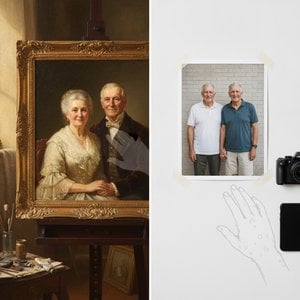
WahooArt에서 세계적인 예술 작품을 손길처럼 섬세하게 복제하고, 개인 맞춤 제작 서비스를 경험하세요. 장인의 기술과 엄격한 품질 관리로 당신의 공간에 특별한 가치를 더합니다. 지금 바로 예술적 유산을 시작하세요.

Explore the opulent world of Rococo art! Discover its origins, key artists like Watteau & Boucher, and lasting influence on design. Expert insights for collectors & enthusiasts.


최신 미술 뉴스, 특별 혜택 및 인테리어 아이디어를 가장 먼저 만나보세요.
프로젝트에 대해 알려주시면 저희 미술 전문가들이 맞춤형 아트 제안 3가지를 전달해 드립니다.
당신만을 위한 맞춤형 옵션 3가지를 무료로 추천해 드립니다!


 Preview
 작품 구매하기
 공유하기
공유하기 공유하기
공유하기
 상세 정보
상세 정보

 다운로드
다운로드
 유사 작품
유사 작품 X-레이
X-레이 슬라이드 쇼
 더 보기
더 보기






































 유리 옵션은 110cm 미만 크기에서만 선택 가능합니다.


