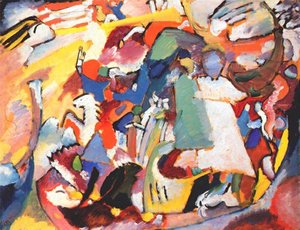
2008
2008 80.0 x 136.0 cm
 Cholamandal Artists' Village
원하는 크기와 액자로 주문 제작되는, 작가들이 직접 캔버스에 손으로 그린 유화 작품입니다. ( 프린트 판매로 전환 디지털 이미지로 전환)
작품의 원본 비율을 유지하는 미리 설정된 크기 중에서 선택하세요.

특정 프레임이나 공간에 맞도록 직접 크기를 입력할 수 있습니다. 선택하신 크기가 원본 이미지의 비율과 일치하지 않는 경우, 작품을 자르거나 추가적인 손으로 그린 요소를 사용하여 그림을 확장합니다. 제작 시작 전 승인을 위해 디지털 목업을 보내드립니다.
화면 미리 보기는 실제 자르기 또는 확장을 반영하지 않습니다. 최종 구성은 목업을 통해서만 정확하게 확인하실 수 있습니다.
맞춤 크기 제작도 가능하지만, 원본 비율을 유지하기 위해 사전 정의된 목록에서 크기를 선택하시는 것을 권장합니다.

Crucifixion
복제본 크기

In the verdant, sun-drenched landscapes of Tamil Nadu, where the rhythms of agrarian life dictate the passage of time, a profound literary voice emerged to capture the heartbeat of rural India. Perumal Murugan, born in 1966 near the temple town of Thiruchengodu, does not merely write stories; he weaves the very fabric of the Kongu Nadu region into his prose. Growing up in a family of farmers, his early years were defined by the tactile realities of the earth—tending to goats and cattle and witnessing the quiet dignity of manual labor. This intimate connection to the soil provided him with an unparalleled reservoir of imagery and truth, allowing him to transform the mundane details of village life into universal explorations of human desire, social hierarchy, and resilience.
His path from a small-town boy working as a soda-seller in a local cinema to a globally recognized scholar is a testament to his intellectual depth. Educated in Tamil medium schools, Murugan’s linguistic foundation was forged in the heart of his culture. His academic journey led him to Chennai, where he pursued a doctorate at Madras University, specializing in the works of R. Shanmugasundaram. This scholarly pursuit was not merely an academic exercise but a way to connect himself to a lineage of realistic literature that sought to expose social truths. During his time in the city, his exposure to radical Marxist thought and the vibrant intellectual currents of the late 1980s infused his writing with a sharp, critical eye for the injustices embedded within caste and class structures.
The literary output of Murugan is characterized by an unflinching honesty that often borders on the provocative. His early short stories, published in the influential Mana Oosai magazine, introduced a fresh, vital energy to Tamil prose. As he transitioned into long-form fiction, his novels began to tackle the most sensitive nerves of Indian society. In works such as Madhorubagan (translated as One Part Woman), he explored the complexities of inter-caste relationships with a courage that would later bring him both international acclaim and intense local controversy. His ability to imbue his protagonists with a sense of dignity, even amidst crushing social pressure, creates a reading experience that is both deeply moving and intellectually demanding.
The technical mastery of his writing lies in its sensory richness. A reader can almost smell the cooking of millet over log fires or feel the oppressive heat of the Eru Veyyil (Rising Heat). His prose functions much like a landscape painting, where every detail—from the texture of arable land to the subtle shifts in communal tension—is rendered with meticulous care. This dedication to realism is balanced by a poetic sensibility, often seen in his collections of poetry and his ability to find the mythic within the everyday. His works have been translated into numerous languages, bringing the specificities of Tamil life to a global audience through prestigious recognitions such as the Kiriyama Prize and longlists for the National Book Award for Translated Literature.
The significance of Perumal Murugan extends far beyond his bibliography; he has become a symbol of the struggle for freedom of expression. In 2015, following intense protests and threats from religious and caste groups regarding his depictions of social taboos, Murugan made the heartbreaking decision to declare himself "dead" as a writer. This act of literary suicide—withdrawing his books from sale and calling on readers to burn them—was a profound protest against censorship. It highlighted the precarious position of the artist in a landscape where the boundaries of tradition are fiercely guarded.
Despite this period of forced silence, his impact remains indelible. He stands as a vital chronicler of a disappearing way of life, preserving the nuances of Tamil agrarian traditions for future generations. His work serves as a bridge between the local and the global, proving that the most deeply rooted regional stories can resonate with the universal human condition. Through his unflinching gaze, Murugan has ensured that the voices of the marginalized, the struggles of the rural poor, and the complexities of social identity are etched permanently into the canon of contemporary world literature.

1966 - , India


 미리보기
미리보기
 공유하기
공유하기 공유하기
공유하기
 상세 정보
상세 정보

 다운로드
다운로드
 유사 작품
유사 작품 X-레이
X-레이 슬라이드 쇼
 통계 정보
통계 정보 더 보기
더 보기






































 유리 옵션은 110cm 미만 크기에서만 선택 가능합니다.