
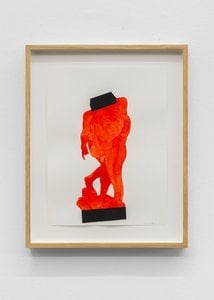
 2003
2003 360.0 x 315.0 cm
 구겐하임 미술관 빌바오
온라인 미리보기보다 훨씬 뛰어난 품질의 고해상도 디지털 이미지를 구매해 보세요.
각 파일은 사내 전문가가 고급 도구와 숙련된 수동 리터칭 기술을 사용하여 세심하게 준비합니다. 우리는 모든 이미지가 탁월한 선명도, 정확한 색상 재현력, 그리고 미세한 디테일까지 완벽하게 갖추도록 보장합니다.
최종 파일은 전문적인 편집 및 인쇄 환경에서 즉시 사용할 수 있도록 최적화되어 72시간 이내에 이메일로 발송됩니다. 이는 세계적인 디자인 스튜디오, 출판사 및 갤러리가 신뢰하는 것과 동일한 품질입니다.
개인 소장 및 전시, 인쇄, 창작 프로젝트를 위한 고해상도 파일을 다운로드하세요. ( 프린트 판매로 전환 손으로 그린 그림 구매)
WahooArt.com를 선택하시면 단순히 이미지를 받는 것을 넘어, 정밀한 보정 과정을 거친 전문적인 디지털 예술 작품을 만나보실 수 있습니다. 모든 작품에는 만족 보장 서비스가 함께 제공되며, 주문 시 다음과 같은 사항들이 자동으로 포함됩니다:

주문 후 72시간 이내에 고해상도 디지털 이미지 파일이 이메일로 발송되며, 즉시 사용하실 수 있습니다.

귀하의 작품은 고급 AI 도구와 수동 편집 과정을 거쳐 전문적으로 최적화되며, 이를 통해 디테일과 선명도, 색상의 정확도를 극대화합니다.

파일을 실수로 삭제하거나 분실하셨나요? 걱정 마세요. 언제든 무료로 다시 보내드립니다.

관세나 부가세, 배송비 부담 없이 작품을 즉시 감상하세요 - 디지털 다운로드는 언제나 면세 혜택이 적용됩니다.

전문적인 도구와 색상 관리 시스템을 통해 디지털 이미지가 원본의 색상을 최대한 정확하게 구현하도록 보장합니다.

구매하신 디지털 이미지에 만족하지 못하실 경우, 100일 이내에 별도의 조건 없이 수정 또는 100% 환불을 진행해 드립니다.

만족스럽지 않으신가요? 디지털 파일을 받으신 후 100일 이내에 어떠한 조건 없이 전액 환불해 드립니다.

이미지 3매 구매 시 10% 할인 - 5매 구매 시 15% 할인 - 10매 이상 구매 시 20% 할인. 크리에이티브 프로젝트, 갤러리, 에이전시에 매우 유용합니다.

Born in Ordoñez de Reye, Spain, in 1963 – specifically in Andoain, a town steeped in Basque history and tradition – Pello Irazu Mendizabal’s artistic journey is inextricably linked to his homeland. He emerged as a key figure in the revitalization of Basque sculpture during the 1980s, a period marked by a renewed interest in regional identity and artistic expression. His work isn't merely about creating objects; it’s an exploration of space, form, and the relationship between the viewer and the artwork – a dialogue that challenges conventional notions of sculpture and invites profound contemplation.
Irazu’s early artistic development was profoundly shaped by Jorge Oteiza, a towering figure in Basque sculpture. Oteiza's philosophy centered on the idea that form should be intrinsically linked to its function, rejecting decorative excess in favor of pure geometric abstraction. Irazu initially embraced this approach, meticulously studying Oteiza’s use of space and his commitment to stripping away superfluous elements. However, he quickly began to diverge, incorporating industrial materials – steel, wood, plywood – into his work, a shift that signaled a move towards a more tactile and experiential engagement with the viewer. This experimentation was further fueled by his time in London and New York, exposing him to diverse artistic currents including minimalism and post-minimalism.
Irazu’s artistic practice underwent a significant transformation in the late 1980s and early 1990s. He began to challenge the traditional boundaries between sculpture, painting, and photography. He famously started applying paint directly to walls, creating mural-like compositions that integrated three-dimensional elements – objects, forms, and arrangements – into a single, unified space. This blurring of genres was not merely stylistic; it reflected a deeper interrogation of perception and representation. He deliberately disrupted the established hierarchy between foreground and background, forcing the viewer to actively participate in constructing meaning.
His work during this period frequently referenced domestic spaces, deconstructing familiar objects and reassembling them in ways that created a sense of disorientation and intrigue. The use of scrap paper, often printed, further complicated the visual landscape, layering references and challenging the notion of a singular, fixed image. This approach aligns with conceptualism, prioritizing ideas and processes over purely aesthetic concerns.
Irazu’s sculptures have been recognized by some of the most prestigious institutions in Spain and internationally. His work is featured prominently in collections such as the Bilbao Fine Arts Museum, the Reina Sofía Museum, the MACBA (Barcelona), the ARTIUM (Vitoria), the San Diego Museum of Contemporary Art, and the Guggenheim Museum Bilbao. Notable pieces include *Corazón* (1989) and *Plural* (1991), which are held in the Fundació Suñol’s collection, showcasing his early explorations with spatial relationships and material experimentation.
Pello Irazu’s contribution to contemporary sculpture extends beyond mere stylistic innovation. He has consistently pushed the boundaries of what sculpture can be, questioning established conventions and inviting viewers to reconsider their relationship with art and space. His work continues to evolve, incorporating new technologies and reflecting on themes of representation and perception. He remains a vital voice in the Basque artistic landscape, embodying a spirit of experimentation, intellectual rigor, and a deep connection to his cultural heritage. His ongoing exploration of form, function, and the interplay between different media ensures that his legacy as one of the most significant sculptors of our time will continue to grow.
1963 - , Spain


 미리보기
미리보기
 공유하기
공유하기 공유하기
공유하기
 상세 정보
상세 정보

 다운로드
다운로드
 유사 작품
유사 작품 X-레이
X-레이 슬라이드 쇼
 통계 정보
통계 정보 더 보기
더 보기


