OilWallArtRealism
 190019th Century
 51.0 x 101.0 cm
 Pinacoteca do Estado de São Paulo
빠른 제작과 다양한 마감 옵션을 제공하는 박물관 품질의 지클레이 또는 캔버스 프린트. ( 손으로 그린 그림 구매 디지털 이미지로 전환)





























작품의 원본 비율을 유지하는 미리 설정된 크기 중에서 선택하세요.

특정 프레임이나 공간에 맞춰 직접 치수를 입력하실 수 있습니다. 선택하신 사이즈가 원본 이미지의 비율과 일치하지 않을 경우, 작품을 크롭(자르기)하거나 이미지를 대칭 또는 단색 채우기로 확장하여 제작합니다. 제작 시작 전, 최종 확인을 위해 디지털 목업이 전송됩니다.
화면상의 미리보기는 실제 크롭이나 확장 상태를 반영하지 않으므로, 최종 구도는 오직 목업을 통해서만 정확하게 확인하실 수 있습니다.
맞춤 사이즈 제작도 가능하지만, 원본 비율을 유지하기 위해서는 사전 정의된 목록에서 치수를 선택하시는 것을 권장합니다.

Paisagem [Landscape]
복제본 크기
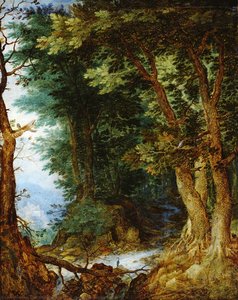
In the quietude of Paisagem [Landscape], created in 1900 by the master Pedro Weingärtner, we are invited into a world where time seems to decelerate. This evocative work captures a sun-drenched moment within a lush forest, where light filters through a dense canopy to illuminate a tranquil clearing. At the heart of this composition sits a modest building, nestled harmoniously among the trees, serving as a silent witness to the passage of time. The scene is not merely a depiction of flora and architecture, but a carefully orchestrated stage where nature and humanity exist in a delicate, peaceful equilibrium. Scattered throughout the landscape are benches, inviting the viewer to mentally step into the frame and find a place of rest amidst the verdant surroundings.
The presence of two solitary figures—one positioned near the left periphery and another closer to the right—infuses the stillness with a gentle pulse of life. These figures do not dominate the landscape; rather, they are integrated into its rhythm, suggesting a profound connection between the human spirit and the natural world. Their placement creates a subtle narrative tension, a sense of shared experience within a vast, breathing ecosystem. For the collector or interior designer, this painting offers more than just visual beauty; it provides a window into a state of mindfulness, making it an ideal centerpiece for spaces dedicated to reflection, study, or quiet relaxation.
Technically, Paisagem stands as a testament to Weingärtner’s rigorous academic training in the prestigious academies of Germany and France. His ability to manipulate light is nothing short of extraordinary; he employs a technique that allows sunlight to appear almost tactile, as it dances across the leaves and settles upon the forest floor. This mastery of chiaroscuro—the interplay of light and shadow—creates a sense of three-dimensional depth that draws the eye deep into the woodland thicket. The brushwork, while precise enough to maintain the integrity of the realistic style, possesses a soft, atmospheric quality that evokes the romanticism characteristic of his most celebrated works.
The color palette is a sophisticated arrangement of earthy greens, deep browns, and luminous golds, all working in concert to establish a warm, inviting atmosphere. This careful selection of tones ensures that the painting remains timeless, capable of complementing a wide variety of interior aesthetics, from classical traditionalism to more contemporary, organic modernism. To possess a reproduction of this work is to bring a piece of late 19th-century European academic excellence into a modern home, offering an enduring sense of prestige and tranquility.
To understand the emotional weight of this landscape, one must consider the historical context of Pedro Weingärtner’s life. As a pioneer who bridged the gap between the rugged landscapes of his native Brazil and the refined academic traditions of Europe, his work carries a unique cultural duality. Paisagem embodies this synthesis—the structural discipline of the German school blended with a romantic sensibility that celebrates the ephemeral beauty of a single moment in time. It is a piece that speaks to the universal human desire for sanctuary.
For those seeking to curate an art collection that inspires peace and intellectual curiosity, this landscape serves as a foundational element. It does not shout for attention; instead, it whispers of ancient forests, quiet afternoons, and the eternal beauty of the natural world. Whether placed in a grand salon or a private library, the painting acts as an emotional anchor, grounding the surrounding space with its profound sense of serenity and historical depth.


1853 - 1929 , Brazil
Discover the profound tranquility of rural art through an expert exploration of Impressionist landscapes. From pastoral scenes to textured oil masterpieces, learn how timeless nature-inspired artworks bring enduring elegance and serenity to sophisticated collectors.

![Paisagem [landscape] — Pedro Weingärtner Weingaertner](/media/artworks/images-full/cf/4a/cf4a1f98af8d5aefdcb632c23c267a42.jpg)
 미리보기
미리보기
 공유하기
공유하기 공유하기
공유하기
 상세 정보
상세 정보 가이드 보기

 다운로드
다운로드
 유사 작품
유사 작품 X-레이
X-레이 슬라이드 쇼
 통계 정보
통계 정보 더 보기
더 보기









 유리 옵션은 110cm 미만 크기에서만 선택 가능합니다.