
 Oil On CanvasWallArtDivisionist Pointillism
 189919th Century
 46.0 x 55.0 cm
원하는 크기와 액자로 주문 제작되는, 작가들이 직접 캔버스에 손으로 그린 유화 작품입니다. ( 프린트 판매로 전환 디지털 이미지로 전환)





























작품의 원본 비율을 유지하는 미리 설정된 크기 중에서 선택하세요.

특정 프레임이나 공간에 맞도록 직접 크기를 입력할 수 있습니다. 선택하신 크기가 원본 이미지의 비율과 일치하지 않는 경우, 작품을 자르거나 추가적인 손으로 그린 요소를 사용하여 그림을 확장합니다. 제작 시작 전 승인을 위해 디지털 목업을 보내드립니다.
화면 미리 보기는 실제 자르기 또는 확장을 반영하지 않습니다. 최종 구성은 목업을 통해서만 정확하게 확인하실 수 있습니다.
맞춤 크기 제작도 가능하지만, 원본 비율을 유지하기 위해 사전 정의된 목록에서 크기를 선택하시는 것을 권장합니다.

The Velodrome
복제본 크기
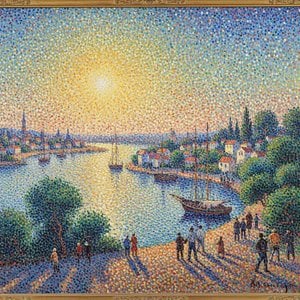
Paul Signac’s “The Velodrome,” painted in 1899, is more than just a depiction of an outdoor race; it's a vibrant embodiment of the burgeoning modernist movement. This oil on canvas, measuring 46 x 55 cm, pulsates with energy and captures a fleeting moment of exhilaration – the collective gaze of spectators absorbed in the spectacle of a horse race. The painting’s immediate impact stems from Signac’s masterful deployment of Pointillism, a technique he pioneered alongside Georges Seurat, that fundamentally altered the way artists approached color and light.
“The Velodrome” was created during a period of intense artistic experimentation in France. Following the innovations of Impressionism, artists sought new ways to represent reality, moving beyond simply recording visual sensations. Paul Signac, along with Seurat and others, embraced scientific theories of color perception – particularly those championed by Eugène Chevreul – to develop Pointillism. This movement was a reaction against the subjective interpretations of Impressionism, aiming for a more objective and systematic approach to painting. The late 19th century witnessed a growing fascination with science and technology, which undoubtedly influenced this artistic pursuit of quantifiable visual principles.
The subject matter itself – a velodrome, a relatively new sporting venue at the time – reflects the broader cultural shifts occurring in France during the Belle Époque. The rise of spectator sports and mass entertainment provided fertile ground for artists like Signac to explore themes of modernity, progress, and the collective experience.
Beyond its technical brilliance, “The Velodrome” resonates with a powerful emotional charge. The painting isn’t merely a record of an event; it's an evocation of excitement, anticipation, and shared human experience. The tightly packed crowd, the focused attention on the horses, and the vibrant colors all contribute to this sense of energy. Signac skillfully uses color not just for representation but also to evoke feeling – the cool blues and greens suggesting both the vastness of the sky and the intensity of the race, while bursts of yellow and red capture the heat and passion of the moment.
The inclusion of the horse itself is significant. Horses were central to French culture and sport, representing power, speed, and nobility. Their presence elevates “The Velodrome” beyond a simple depiction of a sporting event, transforming it into a symbol of human ambition and our enduring fascination with nature’s forces.
This meticulously crafted reproduction of Paul Signac's "The Velodrome" offers an unparalleled opportunity to experience the brilliance of this pivotal work firsthand. Each hand-painted reproduction faithfully captures the nuances of Signac’s Pointillist technique, allowing you to appreciate the depth and luminosity that only this method can achieve. Whether adorning a gallery wall or enhancing your interior design scheme, this artwork is guaranteed to be a captivating focal point, bringing a touch of modernist elegance and artistic innovation to any space.


1863 - 1935 , 프랑스

Master the nuances of Giclée printing with our expert guide. Discover how pigment-based inks and museum-grade substrates create fade-resistant, high-fidelity art reproductions designed for discerning collectors seeking unparalleled quality and longevity.

Explore the scientific brilliance of Seurat and Signac. Discover how Pointillism revolutionized color through optical mixing and light, offering a profound look into the Neo-Impressionist movement for true art connoisseurs and collectors.
Embark on a sophisticated journey into the luminous world of Neo-Impressionism. Uncover the scientific brilliance of Pointillism, from Georges Seurat’s revolutionary color theory to the mesmerizing magic of the dot. An expert exploration for true art history enthusiasts.


 미리보기
미리보기
 공유하기
공유하기 공유하기
공유하기
 상세 정보
상세 정보

 다운로드
다운로드
 유사 작품
유사 작품 X-레이
X-레이 슬라이드 쇼
 통계 정보
통계 정보 더 보기
더 보기









 유리 옵션은 110cm 미만 크기에서만 선택 가능합니다.


