빠른 제작과 다양한 마감 옵션을 제공하는 박물관 품질의 지클레이 또는 캔버스 프린트. ( 손으로 그린 그림 구매 디지털 이미지로 전환)





























작품의 원본 비율을 유지하는 미리 설정된 크기 중에서 선택하세요.

특정 프레임이나 공간에 맞춰 직접 치수를 입력하실 수 있습니다. 선택하신 사이즈가 원본 이미지의 비율과 일치하지 않을 경우, 작품을 크롭(자르기)하거나 이미지를 대칭 또는 단색 채우기로 확장하여 제작합니다. 제작 시작 전, 최종 확인을 위해 디지털 목업이 전송됩니다.
화면상의 미리보기는 실제 크롭이나 확장 상태를 반영하지 않으므로, 최종 구도는 오직 목업을 통해서만 정확하게 확인하실 수 있습니다.
맞춤 사이즈 제작도 가능하지만, 원본 비율을 유지하기 위해서는 사전 정의된 목록에서 치수를 선택하시는 것을 권장합니다.

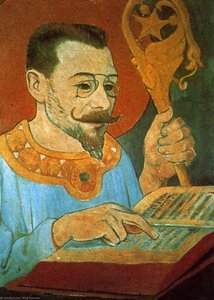
La colline aux platanes
복제본 크기
Paul Sérusier’s “La colline aux platanes,” painted in 1907, stands as a cornerstone of Breton Impressionism and a testament to the burgeoning exploration of abstraction within the artistic landscape of early 20th century France. Located at the Musée municipal André Malraux (MuMa) in Le Havre, this unassuming canvas offers far more than its tranquil depiction of a winter hillside; it embodies a radical departure from traditional academic painting and foreshadows movements like Synthetism and Cloisonnism that would reshape the course of modern art.
The scene itself is deceptively simple: a gently sloping hill dominated by several mature platanes—their branches bare against the muted winter sky—and a body of water reflecting the pale light. However, Sérusier’s genius lies not in meticulous realism but in capturing the essence of his experience at Pont-Aven, where he collaborated closely with Paul Gauguin during the summer of 1888. Influenced profoundly by Gauguin's expressive use of color and simplified forms, Sérusier sought to distill observation into a concentrated emotional statement.
Sérusier’s masterful technique exemplifies Cloisonnism, a stylistic approach championed by Gauguin and championed by Sérusier himself. Unlike traditional oil painting where pigment is blended seamlessly across the canvas surface, Cloisonnism involves applying paint in small, rectangular cells or panels—essentially outlining shapes with color—creating a mosaic effect that prioritizes visual impact over tonal gradation. This method deliberately suppresses detail, forcing the viewer to engage directly with the fundamental elements of color and form.
The platanes themselves hold symbolic significance beyond their botanical representation. Traditionally associated with resilience and longevity—often depicted in cemeteries as emblems of remembrance—they symbolize spiritual strength and connection to the natural world. Their bare branches convey vulnerability yet simultaneously assert a steadfast presence, mirroring Sérusier’s artistic ambition to transcend representational conventions and communicate profound ideas.
"La colline aux platanes" served as an inspiration for subsequent artists who pushed the boundaries of abstraction further. It solidified Sérusier's position as a pivotal figure in Synthetism, which sought to achieve visual unity through geometric shapes and bold color combinations—a direct descendant of Cloisonnism’s reductive aesthetic. This artwork continues to resonate with collectors and interior designers alike, offering a glimpse into the formative years of modern art and demonstrating the transformative power of artistic innovation.


1864 - 1927 , 프랑스
Unveil the profound revolution of Post-Impressionism. Explore how masters like Van Gogh and Cézanne utilized bold colors and emotional depth to transcend mere representation, laying the foundation for modern art. A sophisticated journey through history's most emotive brushstrokes.

Explore the transformative era of Post-Impressionism. Discover how masters like Cézanne and Matisse revolutionized color and form, moving beyond Impressionism to shape modern art history through structural innovation and expressive emotion.

Explore the vibrant evolution of Post-Impressionism. From Seurat's revolutionary Pointillism to the emotional depth of masters, discover how this movement redefined modern art history through color, structure, and unparalleled creative expression.


 미리보기
미리보기
 공유하기
공유하기 공유하기
공유하기
 상세 정보
상세 정보 Guide
Guide

 다운로드
다운로드
 유사 작품
유사 작품 X-레이
X-레이 슬라이드 쇼
 통계 정보
통계 정보


 더 보기
더 보기









 유리 옵션은 110cm 미만 크기에서만 선택 가능합니다.