


빠른 제작과 다양한 마감 옵션을 제공하는 박물관 수준의 지클레이 및 캔버스 프린트. ( 수작업 채색 복제본 주문하기 디지털 이미지로 전환)





























작품의 원본 비율을 그대로 유지하는 프리셋 사이즈 중에서 선택해 보세요.

액자나 벽면 크기에 맞춰 필요한 가로와 세로 길이를 입력해 주세요. 프린트는 원본 이미지보다 크게 제작할 수 없으며 오직 자르는 것만 가능하므로, 비율이 다른 사이즈를 선택할 경우 이미지의 일부가 잘려 나갈 수 있습니다. 인쇄 작업에 들어가기 전, 최종 확인을 위해 디지털 목업을 보내드립니다. 이 페이지에 표시된 이미지는 실제 잘리는 영역을 나타내지 않으며, 오직 목업을 통해서만 정확한 확인이 가능합니다.
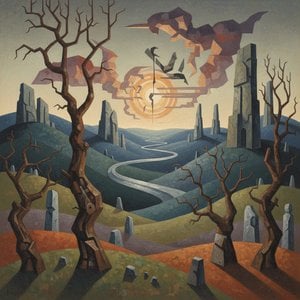
Druid Landscape
복제본 크기
Paul Nash’s Druid Landscape, painted in 1938, isn't merely a depiction of a landscape; it’s an immersion into a carefully constructed dreamscape. Created during a period of profound social and political upheaval – just before the outbreak of World War II – the painting offers a poignant reflection on Britain’s past, its relationship with nature, and the anxieties of a rapidly changing world. Nash, deeply influenced by the Romantic movement and particularly by the visionary works of William Blake, sought to capture not simply what he saw, but what he *felt* about the land itself. The canvas pulsates with an almost unsettling stillness, drawing the viewer into a realm where ancient symbols and modern anxieties intertwine.
The title itself – Druid Landscape – immediately connects the painting to the ancient Celtic tradition of Druidism. While Nash wasn’t a practicing Druid, he was fascinated by the mythology and symbolism associated with these enigmatic figures. The stone circle, a recurring motif in his work, represents a connection to the past, a gateway to the spiritual realm, and a locus of power. It's easy to imagine the Druids performing rituals within this very space, seeking guidance from the spirits of nature. The solitary figure before the stones can be interpreted as an individual searching for meaning or confronting their own mortality – a timeless theme explored throughout art history.
Historical Context:Painted in 1938, the work reflects the growing anxieties surrounding impending war and the loss of traditional values. Nash’s use of ancient symbols served as a way to grapple with these uncertainties, suggesting that Britain's strength lay not in its military might, but in its connection to its roots.
Beyond the obvious references to Stonehenge, Druid Landscape is rich in symbolic detail. The geometric shapes – particularly the circles – are not merely decorative; they represent cycles of time, the interconnectedness of all things, and the underlying order of the universe. The muted color palette contributes to the painting’s overall sense of unease and introspection. Notice how the blues evoke a feeling of melancholy and distance, while the browns ground the scene in the earth. The placement of the figure is crucial; positioned slightly off-center, he seems both lost and strangely at peace within this otherworldly landscape.
Druid Landscape is more than just a painting; it’s an experience. It invites the viewer to step into a world where myth and reality blur, where ancient symbols resonate with contemporary concerns. Paul Nash's ability to capture both the beauty and the unsettling aspects of the British landscape—and the human condition—makes this work a truly remarkable achievement. Today, reproductions of Druid Landscape continue to captivate audiences, offering a glimpse into the mind of one of Britain’s most visionary artists.
폴 내쉬의 "Druid Landscape"은(는) 퍼블릭 도메인 - 저작권 보호 기간이 만료되었습니다 상태입니다. 이 상태에 따라 해당 작품 이미지의 복제 가능 여부가 결정됩니다.
"Druid Landscape"에서 가장 돋보이는 색상은 Driftwood (#b0915b)입니다. 작품의 주된 색상을 활용하면 인테리어와 더욱 조화롭게 연출할 수 있습니다.
폴 내쉬은(는) 1938년에 "Druid Landscape"을(를) 제작했습니다.

1889 - 1946 , 영국

낭만주의 시대, 예술혼을 불태운 10대 풍경화 걸작! 터너부터 프리드리히까지, 시대를 초월하는 아름다움을 와후아트에서 만나보세요. 고흐의 색채와 코로의 섬세함이 당신의 공간에 영감을 더합니다. 지금 바로 와후아트에서 명품 미술 작품을 감상하고 구매하세요!
Explore the evocative landscapes & poignant war art of Paul Nash (1889-1946), a key figure in British Modernism. Discover his unique style and lasting impact on art history with WahooArt.

존 컨스터블 대표작 25선을 만나보세요. 영국 풍경화 거장의 자연주의 회화, 데담 밸리의 아름다움과 헤이 웨인의 정취를 담은 명화를 감상하세요. WahooArt에서 고품질 예술 작품 복제본을 소장하고 특별한 인테리어를 완성해보세요. 지금 바로 컬렉션을 탐험하세요!

폴 세잔의 시대를 초월하는 명작 25점을 만나보세요. 인상주의를 넘어 후기 인상주의를 개척한 화가의 예술 세계와 정물화, 풍경화 속 숨겨진 이야기를 WahooArt에서 감상하세요. 고품질 아트 프린트와 캔버스 액자로 공간에 예술을 더해보세요! 지금 바로 컬렉션을 탐험하세요.

폴 클레 최고작 25선을 만나보세요. 추상 미술의 거장 폴 클레의 색채와 감성이 담긴 명화들을 감상하고, 작품 속 숨겨진 이야기와 화풍을 탐구하세요. WahooArt에서 고품질 아트 프린트와 인테리어 아이디어를 찾아보세요! 지금 바로 컬렉션을 둘러보세요.
 미리보기
미리보기
 공유하기
공유하기 공유하기
공유하기
 상세 정보
상세 정보 가이드 보기

 다운로드
다운로드
 유사 작품 더 보기
 X-레이
X-레이 슬라이드 쇼 보기
 질의응답
질의응답
 통계 정보
통계 정보


 더 보기
더 보기









 유리 옵션은 110cm 미만 크기에서만 선택 가능합니다.


