
빠른 제작과 다양한 마감 옵션을 제공하는 박물관 품질의 지클레이 또는 캔버스 프린트. ( 손으로 그린 그림 구매 디지털 이미지로 전환)





























작품의 원본 비율을 유지하는 미리 설정된 크기 중에서 선택하세요.

특정 프레임이나 공간에 맞춰 직접 치수를 입력하실 수 있습니다. 선택하신 사이즈가 원본 이미지의 비율과 일치하지 않을 경우, 작품을 크롭(자르기)하거나 이미지를 대칭 또는 단색 채우기로 확장하여 제작합니다. 제작 시작 전, 최종 확인을 위해 디지털 목업이 전송됩니다.
화면상의 미리보기는 실제 크롭이나 확장 상태를 반영하지 않으므로, 최종 구도는 오직 목업을 통해서만 정확하게 확인하실 수 있습니다.
맞춤 사이즈 제작도 가능하지만, 원본 비율을 유지하기 위해서는 사전 정의된 목록에서 치수를 선택하시는 것을 권장합니다.

The concert party
복제본 크기
In the vast landscape of twentieth-century modernism, few artists possessed the ability to translate the invisible rhythms of the soul onto canvas as masterfully as Paul Klee. His 1929 masterpiece, “The Concert Party,” stands as a profound microcosm of his groundbreaking approach to visual expression. This enigmatic piece is far more than a mere illustration; it is a captivating encounter where Surrealism and Cubism converge, creating a composition that pulsates with a restless, primal energy. To gaze upon this work is to enter a realm where the boundaries between the seen and the felt begin to dissolve, inviting the viewer into a deep contemplation of the forces that govern both nature and the human psyche.
The subject matter of the painting presents a striking confrontation, a visual drama staged with unexpected intensity. At the heart of the composition, a formidable black bull looms over a vulnerable red cat, while a diminutive mouse seeks refuge within the heavy shadow cast by the larger beast. This juxtaposition immediately establishes a palpable tension—a symbolic representation of dominance versus defensiveness, or perhaps the overwhelming weight of instinct pressing upon the fragile nature of imagination. Klee skillfully employs strong diagonal lines to propel these figures across the canvas, disrupting any sense of static equilibrium and imbuing the scene with a sense of movement that feels both choreographed and chaotic.
Technically, “The Concert Party” is a triumph of texture and atmospheric depth. Klee utilized oil paints on canvas to achieve a nuanced tonal gradation that lends the work an almost tactile quality. The surface of the painting possesses a weathered, organic character, reminiscent of aged parchment or ancient paper. This effect is achieved through deliberate, layered brushstrokes that build a mottled background of muted yellows, browns, and grays. Such a technique does not merely serve a decorative purpose; it anchors the vibrant, symbolic colors of the subjects—the deep black of the bull and the striking red of the cat—within a space that feels timeless and storied.
The lighting within the piece is intentionally diffused, lacking a singular, identifiable source. This creates soft shadows and an atmospheric mood that leans toward the melancholic and the dreamlike. For the discerning collector or interior designer, this quality makes the artwork exceptionally versatile. It possesses a quiet, intellectual gravity that can anchor a sophisticated gallery space, yet its expressive lines and rich textures offer a soulful warmth capable of breathing life into a contemporary living environment. The painting does not demand attention through loud realism; instead, it commands respect through its subtle, rhythmic complexity.
To understand the emotional impact of “The Concert Party,” one must consider Klee’s unique biographical connection to music. As the son of a music teacher, Klee approached the canvas much like a composer approaches a score, treating every line as a melodic note and every patch of pigment as a sudden, bright chord. In this work, we witness a visual symphony where the "instruments" are shapes and colors. The tension between the aggressive bull and the retreating cat acts as a dissonant chord, resolved only by the textured, harmonious background that holds the entire drama in a delicate balance.
For those seeking to bring a piece of art history into their personal collections, a high-quality reproduction of this work offers an opportunity to possess a fragment of the twentieth century's most innovative mind. “The Concert Party” remains a powerful testament to Klee’s ability to find beauty in conflict and order within chaos. It is an investment in emotion, a piece that continues to provoke thought, spark conversation, and serve as a window into the profound, swirling universe of human instinct and creative imagination.

1879 - 1940 , 스위스
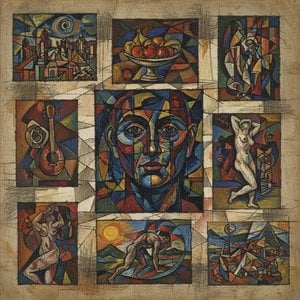
Explore 10 defining Cubist Expressionism masterpieces by Picasso, Braque & more. Discover the stories behind these bold, geometric paintings and bring museum-quality art to your home with WahooArt.com. Explore the full collection online.

Explore the captivating world of Paul Klee! Discover his innovative art, Bauhaus influence, & unique symbolic language. Expert analysis & high-quality reproductions at WahooArt.

Explore the captivating world of Angelo Chiacchio, a master of mid-century American illustration. Discover his evolution, signature style, and lasting impact on commercial art & design. Learn about his legacy at the Museum of American Illustration.

폴 클레 최고작 25선을 만나보세요. 추상 미술의 거장 폴 클레의 색채와 감성이 담긴 명화들을 감상하고, 작품 속 숨겨진 이야기와 화풍을 탐구하세요. WahooArt에서 고품질 아트 프린트와 인테리어 아이디어를 찾아보세요! 지금 바로 컬렉션을 둘러보세요.
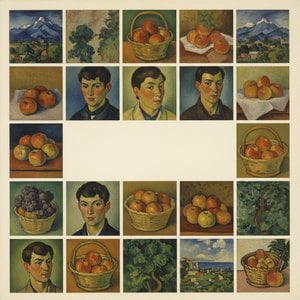
폴 세잔의 시대를 초월하는 명작 25점을 만나보세요. 인상주의를 넘어 후기 인상주의를 개척한 화가의 예술 세계와 정물화, 풍경화 속 숨겨진 이야기를 WahooArt에서 감상하세요. 고품질 아트 프린트와 캔버스 액자로 공간에 예술을 더해보세요! 지금 바로 컬렉션을 탐험하세요.


 미리보기
미리보기
 공유하기
공유하기 공유하기
공유하기
 상세 정보
상세 정보

 다운로드
다운로드
 유사 작품
유사 작품 X-레이
X-레이 슬라이드 쇼
 통계 정보
통계 정보

 더 보기
더 보기









 유리 옵션은 110cm 미만 크기에서만 선택 가능합니다.


