

 연필Expressionist Abstraction
 1926근대
 24.0 x 31.0 cm
 보스턴 미술관
작가가 직접 캔버스에 손으로 그린 유화 작품으로, 원하는 크기와 액자로 맞춤 제작해 드립니다. ( 프린트 판매로 전환 디지털 이미지 판매 채널로 전환)





























작품의 원본 비율을 그대로 유지하는 프리셋 사이즈 중에서 선택해 보세요.

액자나 벽면 크기에 맞춰 필요한 가로와 세로 길이를 입력해 주세요. 본 작품은 수작업으로 제작되므로, 요청하신 비율에 따라 작가가 그림의 가장자리를 조금 더 넓게 그리거나 일부를 조정하여 작업할 수 있습니다. 작업 시작 전, 최종 확인을 위해 디지털 목업 이미지를 보내드립니다. 이 페이지에 표시된 이미지는 실제 결과물과 다를 수 있으며, 오직 목업 이미지만이 정확한 결과물을 보여줍니다.
Serpent
복제본 규격
In the quiet, monochromatic realm of Paul Klee’s 1926 masterpiece, Serpent (also known as Schlangenbeute), a primal drama unfolds with breathtaking subtlety. This graphite drawing is far more than a mere sketch of nature; it is a profound exploration of tension and the delicate balance between predator and prey. As the eye first meets the composition, one is immediately struck by the dramatic asymmetry that defines Klee’s vision. A sinuous, powerful serpent dominates the left side of the frame, its body curving with an almost musical rhythm that guides the viewer deeper into the shadows. On the lower right, a small, vulnerable rodent sits in stark contrast, appearing fragile and isolated against the encroaching darkness. This deliberate arrangement creates an immediate sense of visual weight and psychological suspense, inviting anyone who views it to hold their breath alongside the tiny creature.
The technical mastery displayed in this work lies in Klee’s ability to breathe life into simple pencil strokes. Through a sophisticated application of hatching and cross-hatching, the artist builds a rich tapestry of textures that defy the limitations of a grayscale palette. The serpent’s scales are rendered with a rhythmic complexity, where layers of graphite create depth, roughness, and a sense of muscular movement. These lines do not merely outline a shape; they vibrate with an expressive energy characteristic of Klee’s unique style—a blend of abstraction and expressionism that feels both primitive and highly intellectual. The interplay of light and shadow is masterful, as if a single, unseen light source from above is casting the serpent into sharp relief while allowing the edges of the composition to dissolve into mystery.
Beyond its physical form, Serpent serves as a vessel for profound symbolic resonance. For Klee, the serpent was a recurring motif capable of embodying the dualities of existence: wisdom and temptation, transformation and destruction. The coiled posture of the predator suggests a latent power, a moment of stillness before the strike that mirrors the precariousness of life itself. In this way, the artwork transcends its subject matter to become a meditation on the eternal struggle between opposing forces. The rodent, representing innocence and the ephemeral nature of life, provides the emotional anchor for the piece, evoking a deep sense of empathy in the observer. This tension between the imposing and the fragile makes the work an incredibly evocative piece for contemplation.
For the discerning collector or interior designer, this reproduction offers a sophisticated touch of intellectual depth to any curated space. Its monochromatic elegance allows it to integrate seamlessly into modern, minimalist, or classical environments, acting as a focal point that stimulates conversation and thought. Whether placed in a quiet study, a contemporary gallery-style living room, or a professional design studio, the piece brings with it the storied legacy of one of the 20th century's most influential visionaries. Owning a high-quality reproduction of this Klee treasure is not merely about decorating a wall; it is about inviting a timeless, rhythmic energy into one’s surroundings—a piece that captures the very essence of movement, shadow, and the beautiful, terrifying dance of instinct.
폴 클레의 "Serpent"의 색채 분석은 평온한한 대비와 통일된 색조한 조화를 보여줍니다.
폴 클레의 "Serpent"의 원작은 보스턴 미술관, Boston, United States of America에 소장되어 있습니다. 복제화(reproduction)를 통해 이 작품을 집에서도 감상하실 수 있습니다.
폴 클레의 "Serpent"은(는) 1926년에 제작되었으며 Expressionist Abstraction에 속합니다.

1879 - 1940 , 스위스
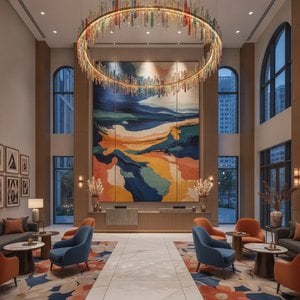
Elevate hospitality design with the psychological power of color. Discover how WahooArt’s museum-quality oil reproductions and expert art consultation transform hotel interiors into immersive, emotive experiences through masterful palette curation and bespoke artistry.

 실제 크기로 보기
 보내기
보내기 공유하기
공유하기
 상세 보기
상세 보기 가이드 보기

 이미지 다운로드
 유사 작품 더 보기
 X-레이
X-레이 슬라이드 쇼 보기
 통계 정보
통계 정보 상세 보기
상세 보기









 유리 옵션은 110cm 미만 크기에서만 선택 가능합니다.


