
미리보기미리보기 AR 미리보기AR 미리보기 손으로 그린 그림 구매 손으로 그린 그림 구매Switch to Digital Image Switch to Digital Image 공유하기공유하기
상세 정보상세 정보 즐겨찾기에 추가 즐겨찾기에 추가 다운로드다운로드 유사 작품유사 작품 X-레이X-레이 슬라이드 쇼슬라이드 쇼 StatsStats

Omega 5 (Attrappen)

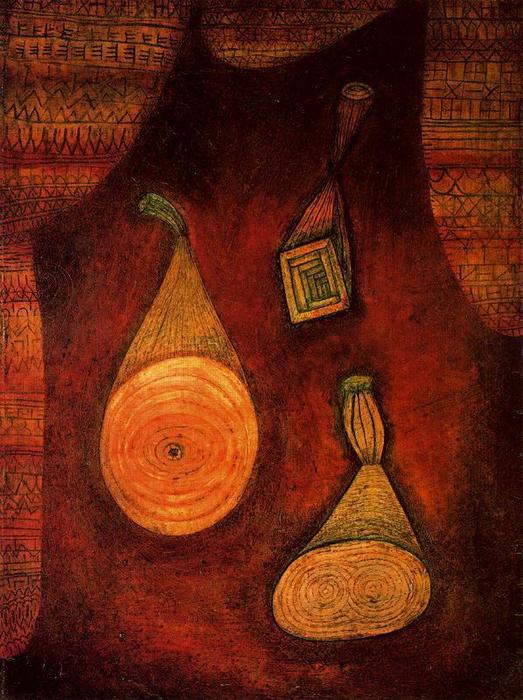
Paul Klee’s ‘Omega 5 (Attrappen)’ – a surreal oil painting blending abstraction & expressionism. Layered reds, symbolic forms, and unique texture create an enigmatic artwork.

파울 클레는 표현주의와 쿠비즘 등 다양한 예술 사조에 영향을 받은 스위스 화가로, 독특한 색채 이론과 음악적 감성을 담은 작품들로 미술사에 영감을 불어넣었습니다. 그의 대표작은 아름다운 정원 풍경화와 기발한 상징으로 가득 찬 그림들이며, 현대 미술의 아이콘으로 기억됩니다.

지클레 / 아트 프린트

빠른 제작과 다양한 마감 옵션을 제공하는 박물관 품질의 지클레이 또는 캔버스 프린트. (손으로 그린 그림 구매 손으로 그린 그림 구매Switch to Digital Image Switch to Digital Image)

P118B $10
P118H $10
P118W $10
P438Z $10
P508JH $12
P508YH $12
P805H $10
P805Z $10
P919BZ $10
P919G $10
P919XJ $10
P959ZH $10
P968JZ $12
W106C $8
W218G $10
W218JH $8
W218Y $10
W307PJ $10
W316G $10
W316PJ $8
W316Y $10
W398PJ $8
W4111J $10
W500HY $15
W500JH $15
W692G $12
W849H $8
W940BG $15
W953PJ $8

표준 규격
맞춤형
CM
INCH

작품의 원본 비율을 유지하는 미리 설정된 크기 중에서 선택하세요.

가로 너비
세로 길이

특정 프레임이나 공간에 맞춰 직접 치수를 입력하실 수 있습니다. 선택하신 사이즈가 원본 이미지의 비율과 일치하지 않을 경우, 작품을 크롭(자르기)하거나 이미지를 대칭 또는 단색 채우기로 확장하여 제작합니다. 제작 시작 전, 최종 확인을 위해 디지털 목업이 전송됩니다.
화면상의 미리보기는 실제 크롭이나 확장 상태를 반영하지 않으므로, 최종 구도는 오직 목업을 통해서만 정확하게 확인하실 수 있습니다.
맞춤 사이즈 제작도 가능하지만, 원본 비율을 유지하기 위해서는 사전 정의된 목록에서 치수를 선택하시는 것을 권장합니다.

전 세계 배송()은 일반적인 4~5주의 소요 기간 대신 2주 이내에 완료됩니다. (8 9월)

why_choose_icon
전 세계 무료 특급 배송
why_choose_icon
프리미엄 린넨 캔버스
why_choose_icon
전체 배송 보험 보장
why_choose_icon
관세 환불 보장
why_choose_icon
실제 색상 일치 보장
why_choose_icon
100일 반품 정책 (결함 발생 시에만 적용)
why_choose_icon
100% 환불 보장
why_choose_icon
다량 구매 할인 혜택

총 합계 금액

$ 68

reproduction

Omega 5 (Attrappen)

지클레 / 아트 프린트

복제본 크기

-

최종 결제 금액

$ 68

작품 정보 요약

  • Medium: Oil on canvas
  • Year: 1927
  • Artist: Paul Klee
  • Artistic style: Abstract, Surrealist
  • Notable elements: Layered reds, symbolic forms
  • Subject or theme: Ambiguous objects
  • Location: Museo Nacional Thyssen

예술 상식 퀴즈

각 질문의 정답은 하나뿐입니다.

질문 1:
What is the primary style of Paul Klee’s ‘Omega 5 (Attrappen)’?
질문 2:
The term 'Attrappen' in the title of this painting refers to:
질문 3:
According to the description, in what year was ‘Omega 5 (Attrappen)’ created?
질문 4:
The description mentions that Klee was at the Bauhaus in Dessau during the creation of this painting. What is significant about the Bauhaus?
질문 5:
What technique is prominently featured in ‘Omega 5 (Attrappen)’ as indicated by the description?

A Surreal Echo: Paul Klee’s “Omega 5 (Attrappen)”

Paul Klee's "Omega 5 (Attrappen)," painted in 1927, isn’t merely a depiction of objects; it’s an invitation into a dreamscape—a carefully constructed world brimming with symbolic resonance and the artist’s signature playful abstraction. This oil on canvas work, now housed within the Museo Nacional Thyssen-Bornemisza in Madrid, exemplifies Klee's unique approach to art, blending elements of Expressionism, Cubism, and Surrealism into a powerfully emotive visual language. The painting immediately captivates with its dominant palette of deep reds—a color often associated with passion, danger, and the subconscious—contrasted against a textured background that seems to ripple with unseen patterns. Three organic forms, resembling elongated fruits or gourds, dominate the lower half of the canvas, their shapes deliberately ambiguous, inviting multiple interpretations. A smaller, square object sits centrally, acting as an anchor within this swirling composition.

The Language of “Attrappen” and Klee’s Bauhaus Period

The title itself, "Omega 5 (Attrappen)," offers a crucial key to understanding the work's genesis. *Attrappen* is a German word meaning “props,” or “stage dummies”—objects designed for theatrical use, often deliberately artificial. Klee employed this term not as a literal description but rather as a metaphor for the painting’s own constructed reality. During his time at the Bauhaus in Dessau—a revolutionary art school focused on integrating art and technology—Klee was deeply engaged with exploring the geometric foundations of form. He sought to understand how objects existed in space, moving beyond mere representation towards an exploration of their inherent qualities. This period saw him experimenting with spatial relationships and organic growth, concepts powerfully reflected in "Omega 5 (Attrappen)." The painting can be viewed as a visual distillation of these investigations—a deliberate attempt to create a self-contained world governed by its own internal logic.

Technique and Texture: A Masterclass in Impasto

Klee’s technique is immediately striking, characterized by bold brushstrokes and an abundant use of *impasto* – the application of thick layers of paint that create a tactile, almost sculptural surface. The background, particularly, is built up with countless layers of pigment, generating a rich, complex texture that seems to shift and change depending on the angle of observation. This textural density isn’t merely decorative; it contributes significantly to the painting's emotional impact, conveying a sense of unease and mystery. Notice how the brushstrokes themselves seem to vibrate with energy, mirroring the swirling dynamics of the composition. The deliberate roughness of the surface contrasts sharply with the smoother rendering of the central object, further emphasizing the work’s inherent tension. Klee’s masterful control of color and texture creates a dynamic interplay between form and feeling.

Symbolism and Emotional Resonance

Beyond its formal qualities, "Omega 5 (Attrappen)" is laden with symbolic potential. The ambiguous shapes of the organic forms could represent anything from nascent life to decaying matter—a visual meditation on cycles of creation and destruction. The central square object might symbolize stability or confinement within this fluid environment. Klee frequently employed symbols in his work, often drawing upon personal experiences and philosophical ideas. Considering Klee’s interest in music – he famously described painting as a form of musical arrangement – one can imagine the forms moving and shifting like notes on a score. The overall effect is profoundly melancholic, evoking a sense of isolation and perhaps even a subtle anxiety. The painting doesn't offer easy answers; instead, it invites viewers to project their own emotions and interpretations onto its enigmatic surface. It’s a testament to Klee’s ability to create art that resonates deeply with the human psyche.

작가 약력

폴 클레: 색채와 형태로 빚어낸 환상의 세계

폴 클레(Paul Klee, 1879-1940)는 스위스에서 태어나 독일에서 활동하며 20세기 미술사에 지대한 영향을 미친 예술가입니다. 표현주의, 입체주의, 초현실주의 등 다양한 사조의 영향을 받았지만, 그 누구에게도 온전히 귀속될 수 없는 독자적인 예술 세계를 구축했습니다. 음악가 아버지와 가수 어머니 사이에서 태어난 클레는 어린 시절부터 음악적 재능을 보였고, 바이올린 연주에도 능숙했습니다. 이러한 음악적 배경은 그의 작품에 깊이 스며들어, 색채의 조화와 리듬감 있는 구성이라는 독특한 시각적 언어를 탄생시키는 원동력이 되었습니다. 클레는 단순히 보이는 것을 재현하는 데 만족하지 않고, 내면의 감정과 상념을 추상적인 형태로 승화시키고자 끊임없이 탐구했습니다. 그의 작품은 어린아이 같은 순수함과 깊이 있는 사유가 공존하며, 보는 이로 하여금 잊고 지냈던 동심으로 돌아가듯 편안하고 즐거운 경험을 선사합니다.

초기 실험과 북아프리카의 발견

클레는 뮌헨에서 미술 공부를 시작하며 다양한 기법과 스타일을 실험했습니다. 초기 작품들은 아르누보와 상징주의의 영향을 받았지만, 점차 자신만의 독특한 표현 방식을 모색하기 시작합니다. 특히 1914년 북아프리카 여행은 그의 예술 인생에 결정적인 전환점이 되었습니다. 튀니지의 강렬한 햇빛과 다채로운 색감은 클레에게 새로운 영감을 불어넣었고, 그는 더 이상 현실을 그대로 재현하는 대신 색채 자체를 통해 감정과 사상을 표현하기 시작했습니다. 이 시기 그의 작품들은 단순화된 형태와 절제된 색조를 특징으로 하며, 점차 추상적인 경향으로 나아갑니다. 북아프리카에서 얻은 경험은 클레에게 색채의 독립성을 깨닫게 해주었고, 이는 이후 그의 작품 전반에 걸쳐 나타나는 가장 중요한 특징이 됩니다.

바우하우스 시대와 예술 이론

1920년 바우하우스(Bauhaus)학교에 부임한 클레는 혁신적인 교육 환경 속에서 자신의 예술적 역량을 더욱 발전시켰습니다. 바우하우스는 건축, 디자인, 미술 등 다양한 분야의 예술가들이 모여 실험하고 협력하는 공간이었으며, 클레는 이곳에서 색채와 형태의 조화, 그리고 예술과 기술의 융합에 대한 깊이 있는 연구를 진행했습니다. 그는 학생들에게 형식주의적 원리를 가르치면서 동시에 자유로운 상상력과 창의성을 강조했으며, 그의 강의는 현대 미술 교육에 큰 영향을 미쳤습니다. 클레는 또한 자신의 예술 이론을 집대성한 “형태와 디자인 이론”이라는 저술을 남겼는데, 이는 예술가뿐만 아니라 미술학 연구자들에게도 중요한 참고 자료로 활용되고 있습니다. 이 글에서 그는 음악과 유사한 방식으로 색채를 배열하고 조율하는 방법을 제시하며, 예술의 본질에 대한 깊이 있는 통찰력을 보여줍니다.

후기 작품과 상징주의의 심화

1930년대 후반, 나치 정권의 탄압으로 인해 클레는 고국 스위스로 돌아오게 됩니다. 정치적 불안과 건강 악화 속에서도 그는 예술 활동을 멈추지 않았습니다. 후기 작품들은 이전보다 더욱 단순화된 형태와 어두운 색조를 사용하며, 삶의 고독과 불안감을 표현하고 있습니다. 그러나 이러한 어둠 속에서도 클레는 여전히 유머와 위트를 잃지 않으며, 독특한 상징주의적 세계를 구축합니다. 그의 후기 작품들은 마치 꿈속에서 본 듯한 환상적인 풍경을 연출하며, 보는 이로 하여금 깊은 사유에 잠기게 합니다. 눈, 얼굴, 동물 등 다양한 모티프는 클레의 작품 전반에 걸쳐 반복적으로 등장하며, 각자의 고유한 의미를 지니고 있습니다. 이러한 상징들은 단순한 장식적 요소가 아니라, 클레의 내면세계와 철학을 담아내는 중요한 매개체 역할을 합니다.

영원한 유산과 현대 미술에 미친 영향

폴 클레는 1940년 스위스 Muralto에서 폐렴으로 세상을 떠났지만, 그의 예술은 시대를 초월하여 오늘날까지도 많은 사람들에게 영감을 주고 있습니다. 그는 추상미술의 선구자로서, 색채와 형태를 통해 인간의 감정과 사상을 표현하는 새로운 가능성을 제시했습니다. 그의 작품은 현대 미술에 지대한 영향을 미쳤으며, 특히 추상표현주의, 옵 아트 등 다양한 예술 사조의 발전에 기여했습니다. 클레의 유산은 단순한 회화 작품을 넘어 디자인, 건축, 음악 등 다양한 분야에도 영향을 미치고 있으며, 오늘날까지도 끊임없이 재해석되고 탐구되고 있습니다. 그의 작품들은 어린이와 어른 모두에게 즐거움을 선사하며, 예술이 지닌 무한한 가능성을 보여주는 증거입니다.

미술관 및 추가 탐색

  • 폴 클레 센터 (베른): 폴 클레의 작품을 가장 많이 소장하고 있는 곳으로, 그의 예술 여정을 총망라하는 전시를 관람할 수 있습니다.
  • 베른 미술관: 피카소와 회들러 등 다른 현대 거장들의 작품과 함께 폴 클레의 중요한 작품들을 감상할 수 있습니다.
  • 쿤스트무제움 베른: 스위스에서 가장 오래된 미술관으로, 폴 클레를 비롯한 다양한 현대 미술 작품을 소장하고 있습니다.
폴 클레

폴 클레

1879 - 1940 , 스위스

주요 정보

  • 국적: 스위스-독일 국적
  • 대표 작품:
    • 하마메트
    • 형제들
    • En la corriente seis umbrales
  • 사망일: 1940년 6월 29일
  • 영향을 받은 예술 사조: ['현대 미술']
  • 영향을 준 예술가: ['바실리 칸딘스키']
  • 예술 사조: 표현주의, 입체주의, 초현실주의
  • 전체 이름: 폴 클레
  • 출생일: 1879년 12월 18일
  • 출생지: 뮌헨부흐제, 스위스
테마, 스타일 및 특징별로 분류된 작품들을 만나보세요.



































