
원하는 크기와 액자로 주문 제작되는, 작가들이 직접 캔버스에 손으로 그린 유화 작품입니다. ( 프린트 판매로 전환 디지털 이미지로 전환)





























작품의 원본 비율을 유지하는 미리 설정된 크기 중에서 선택하세요.

특정 프레임이나 공간에 맞도록 직접 크기를 입력할 수 있습니다. 선택하신 크기가 원본 이미지의 비율과 일치하지 않는 경우, 작품을 자르거나 추가적인 손으로 그린 요소를 사용하여 그림을 확장합니다. 제작 시작 전 승인을 위해 디지털 목업을 보내드립니다.
화면 미리 보기는 실제 자르기 또는 확장을 반영하지 않습니다. 최종 구성은 목업을 통해서만 정확하게 확인하실 수 있습니다.
맞춤 크기 제작도 가능하지만, 원본 비율을 유지하기 위해 사전 정의된 목록에서 크기를 선택하시는 것을 권장합니다.

Little Tree Amid Shrubbery
복제본 크기
Paul Klee’s 1919 painting, *Little Tree Amid Shrubbery*, is more than a simple depiction of a tree; it’s an intimate meditation on nature, color, and the very act of seeing. Executed during a pivotal period in Klee's artistic development – a time when he was actively exploring the boundaries between representation and abstraction – this work exemplifies his signature style: a delicate balance of whimsical charm and profound emotional resonance. The painting’s immediate impact lies in its deceptively simple composition. A small, solitary tree dominates the foreground, nestled within a dense thicket of green bushes, all set against a vibrant, almost aggressively cheerful, red background. This bold color choice immediately draws the viewer's eye, creating a focal point that is both inviting and slightly unsettling.
Created in the aftermath of World War I, *Little Tree Amid Shrubbery* firmly resides within the Expressionist movement, though it transcends simple categorization. Klee was deeply influenced by the tenets of Expressionism – a desire to convey subjective emotion rather than objective reality – but he resisted any rigid adherence to its stylistic conventions. The painting’s loose brushwork, fragmented forms, and emphasis on color are hallmarks of his approach. However, unlike many Expressionists who sought to depict suffering or turmoil, Klee imbues this scene with a sense of quiet contemplation and perhaps even childlike wonder. His Swiss upbringing, steeped in musical tradition – his father was a music teacher – undoubtedly played a role in shaping his artistic sensibility, influencing his understanding of composition as a form of abstract expression akin to musical arrangement.
Klee’s technique is characterized by meticulous layering and subtle gradations of color. He employed oil paints with a remarkable sensitivity, building up textures and tones through countless thin glazes. The red background isn't merely a backdrop; it actively participates in the painting's emotional impact, creating a sense of depth and amplifying the vibrancy of the greens and browns. Notice how he uses broken color – small, distinct areas of pigment – to create an impressionistic effect, capturing not just the visual appearance of the tree but also its essence. The deliberate blurring of edges and forms contributes to the painting’s dreamlike quality, inviting the viewer to lose themselves in the scene.
*Little Tree Amid Shrubbery* has been interpreted as a symbol of resilience, growth, and perhaps even hope amidst uncertainty. The solitary tree, vulnerable yet steadfast, can be seen as representing the human spirit’s ability to endure hardship. The red background, often associated with passion and vitality, adds another layer of meaning. Ultimately, however, the painting's power lies in its ambiguity. Klee deliberately avoids offering a definitive interpretation, allowing viewers to project their own emotions and experiences onto the scene. The work evokes a feeling of serene contemplation, inviting us to pause and appreciate the beauty and fragility of the natural world.

1879 - 1940 , 스위스

폴 클레 최고작 25선을 만나보세요. 추상 미술의 거장 폴 클레의 색채와 감성이 담긴 명화들을 감상하고, 작품 속 숨겨진 이야기와 화풍을 탐구하세요. WahooArt에서 고품질 아트 프린트와 인테리어 아이디어를 찾아보세요! 지금 바로 컬렉션을 둘러보세요.

몬드리안, 말레비치 등 거장들의 기하학적 추상 미술 명작 10선을 만나보세요. 각 작품의 예술사적 의미와 색채, 구성을 탐구하고 WahooArt.com에서 고품질 아트 프린트를 소장하세요. 지금 바로 온라인 컬렉션을 확인하세요!

Explore the captivating world of Paul Klee! Discover his innovative art, Bauhaus influence, & unique symbolic language. Expert analysis & high-quality reproductions at WahooArt.

Journey through Wassily Kandinsky's 25 most iconic abstract paintings. Explore his revolutionary use of color, form & spiritual expressionism. Find museum-quality Kandinsky reproductions and elevate your home decor with WahooArt.com. Discover all masterpieces on WahooArt.com!
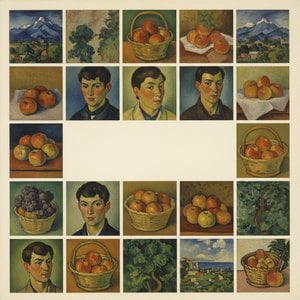
폴 세잔의 시대를 초월하는 명작 25점을 만나보세요. 인상주의를 넘어 후기 인상주의를 개척한 화가의 예술 세계와 정물화, 풍경화 속 숨겨진 이야기를 WahooArt에서 감상하세요. 고품질 아트 프린트와 캔버스 액자로 공간에 예술을 더해보세요! 지금 바로 컬렉션을 탐험하세요.


 미리보기
미리보기
 공유하기
공유하기 공유하기
공유하기
 상세 정보
상세 정보

 다운로드
다운로드
 유사 작품
유사 작품 X-레이
X-레이 슬라이드 쇼
 통계 정보
통계 정보

 더 보기
더 보기









 유리 옵션은 110cm 미만 크기에서만 선택 가능합니다.


