

빠른 제작과 다양한 마감 옵션을 선택할 수 있는 박물관 수준의 지클레이 및 캔버스 프린트. ( 수작업 채색 복제본 주문하기 디지털 이미지 판매 채널로 전환)





























작품의 원본 비율을 그대로 유지하는 프리셋 사이즈 중에서 선택해 보세요.

액자나 벽면 크기에 맞춰 필요한 가로와 세로 길이를 입력해 주세요. 프린트는 원본 이미지보다 크게 제작할 수 없으며 오직 자르는 것만 가능하므로, 비율이 다른 사이즈를 선택할 경우 이미지의 일부가 잘려 나갈 수 있습니다. 인쇄 작업에 들어가기 전, 최종 확인을 위해 디지털 목업을 보내드립니다. 이 페이지에 표시된 이미지는 실제 잘리는 영역을 나타내지 않으며, 오직 목업을 통해서만 정확한 확인이 가능합니다.
Cacodemonic
복제본 규격
Paul Klee's 1916 painting, “Cacodemonic,” is not merely an artwork; it’s a visual poem, a glimpse into the artist’s burgeoning exploration of abstraction and the hidden realms of the psyche. Created during a pivotal year in his artistic development, this piece transcends simple representation, inviting viewers to embark on a journey through color, form, and suggestion. The painting's power lies not in what it depicts literally—for there is no discernible subject matter in the traditional sense—but in the emotional resonance it evokes, a feeling of unsettling energy contained within a delicate framework.
To understand “Cacodemonic” requires acknowledging its place within Klee’s artistic trajectory. Having initially trained as a violinist and draftsman, Klee gradually moved away from representational art, seeking instead to express inner realities through the language of abstraction. A transformative trip to Tunisia in 1914 proved crucial; bathed in North African light, he discovered a new palette and an appreciation for the expressive potential of color. This newfound freedom coincided with his engagement with avant-garde movements like Cubism and Expressionism, though Klee never fully aligned himself with any single school. He synthesized these influences into a uniquely personal style—one characterized by playful experimentation, lyrical compositions, and a profound sensitivity to color theory.
“Cacodemonic” is dominated by a vibrant yet restrained palette, anchored by a striking central red dot that immediately commands attention. This focal point seems to pulse with an inner life, surrounded by a constellation of shapes and colors—delicate lines, geometric forms, and scattered dots—that create a sense of dynamic tension. The composition feels deliberately chaotic, as if the artist allowed intuition to guide his hand. The term “cacodemonic” itself hints at a darker undercurrent, referring to an evil spirit or demon. While Klee rarely offered explicit interpretations of his work, the title suggests that this painting might be an exploration of unsettling emotions or hidden forces within the subconscious. The meticulous application of color and form, however, prevents it from becoming overtly menacing; instead, there’s a sense of contained energy, as if these dark impulses are being carefully observed and analyzed.
Paul Klee's impact on 20th-century art is immeasurable. His innovative approach to color, his lyrical abstraction, and his willingness to embrace the playful and the irrational paved the way for countless artists who followed. “Cacodemonic,” though a relatively early work in his abstract period, embodies many of the qualities that would come to define his mature style. Today, owning a reproduction of this painting is not simply acquiring a decorative object; it’s inviting a piece of art history into your space—a testament to Klee's enduring vision and his ability to capture the complexities of the human experience on canvas. It serves as a potent reminder that true beauty often lies in ambiguity, suggestion, and the power of the imagination.
"Cacodemonic"은(는) Quinacridone Magenta (#675d5f)이(가) 주를 이루는 Neutrals 색조로 정의됩니다.
"Cacodemonic"의 색채 강도는 Balanced입니다. 강도는 색상이 얼마나 선명하게 보이는지를 나타냅니다.
"Cacodemonic"의 명암 대비는 Serene로 기록되었습니다. 대비는 밝은 부분과 어두운 부분의 차이가 얼마나 강한지를 나타냅니다.

1879 - 1940 , 스위스

추상표현주의의 심장을 뛰게 한 10대 걸작을 만나보세요. 폴록, 로스코 등 거장의 작품 비하인드 스토리와 예술적 영감을 WahooArt에서! 지금 바로 미술품 컬렉션을 탐험하고, 당신의 공간에 특별한 예술적 감성을 더하세요. WahooArt.com

Explore the captivating world of Paul Klee! Discover his innovative art, Bauhaus influence, & unique symbolic language. Expert analysis & high-quality reproductions at WahooArt.

몬드리안, 말레비치 등 거장들의 기하학적 추상 미술 명작 10선을 만나보세요. 각 작품의 예술사적 의미와 색채, 구성을 탐구하고 WahooArt.com에서 고품질 아트 프린트를 소장하세요. 지금 바로 온라인 컬렉션을 확인하세요!

폴 클레 최고작 25선을 만나보세요. 추상 미술의 거장 폴 클레의 색채와 감성이 담긴 명화들을 감상하고, 작품 속 숨겨진 이야기와 화풍을 탐구하세요. WahooArt에서 고품질 아트 프린트와 인테리어 아이디어를 찾아보세요! 지금 바로 컬렉션을 둘러보세요.
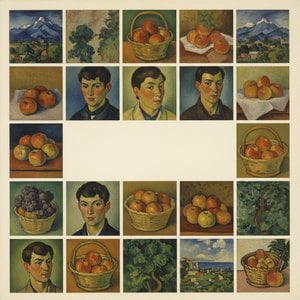
폴 세잔의 시대를 초월하는 명작 25점을 만나보세요. 인상주의를 넘어 후기 인상주의를 개척한 화가의 예술 세계와 정물화, 풍경화 속 숨겨진 이야기를 WahooArt에서 감상하세요. 고품질 아트 프린트와 캔버스 액자로 공간에 예술을 더해보세요! 지금 바로 컬렉션을 탐험하세요.

 실제 크기로 보기
 보내기
보내기 공유하기
공유하기
 상세 보기
상세 보기 가이드 보기

 이미지 다운로드
 유사 작품 더 보기
 X-레이
X-레이 슬라이드 쇼 보기
 통계 정보
통계 정보

 상세 보기
상세 보기









 유리 옵션은 110cm 미만 크기에서만 선택 가능합니다.


