무료 아트 컨설팅

x
작품 구매하기 작품 구매하기이미지 구매하기 이미지 구매하기 공유하기공유하기
상세 정보상세 정보 즐겨찾기에 추가 즐겨찾기에 추가 다운로드다운로드 유사 작품유사 작품 X-레이X-레이 슬라이드 쇼슬라이드 쇼

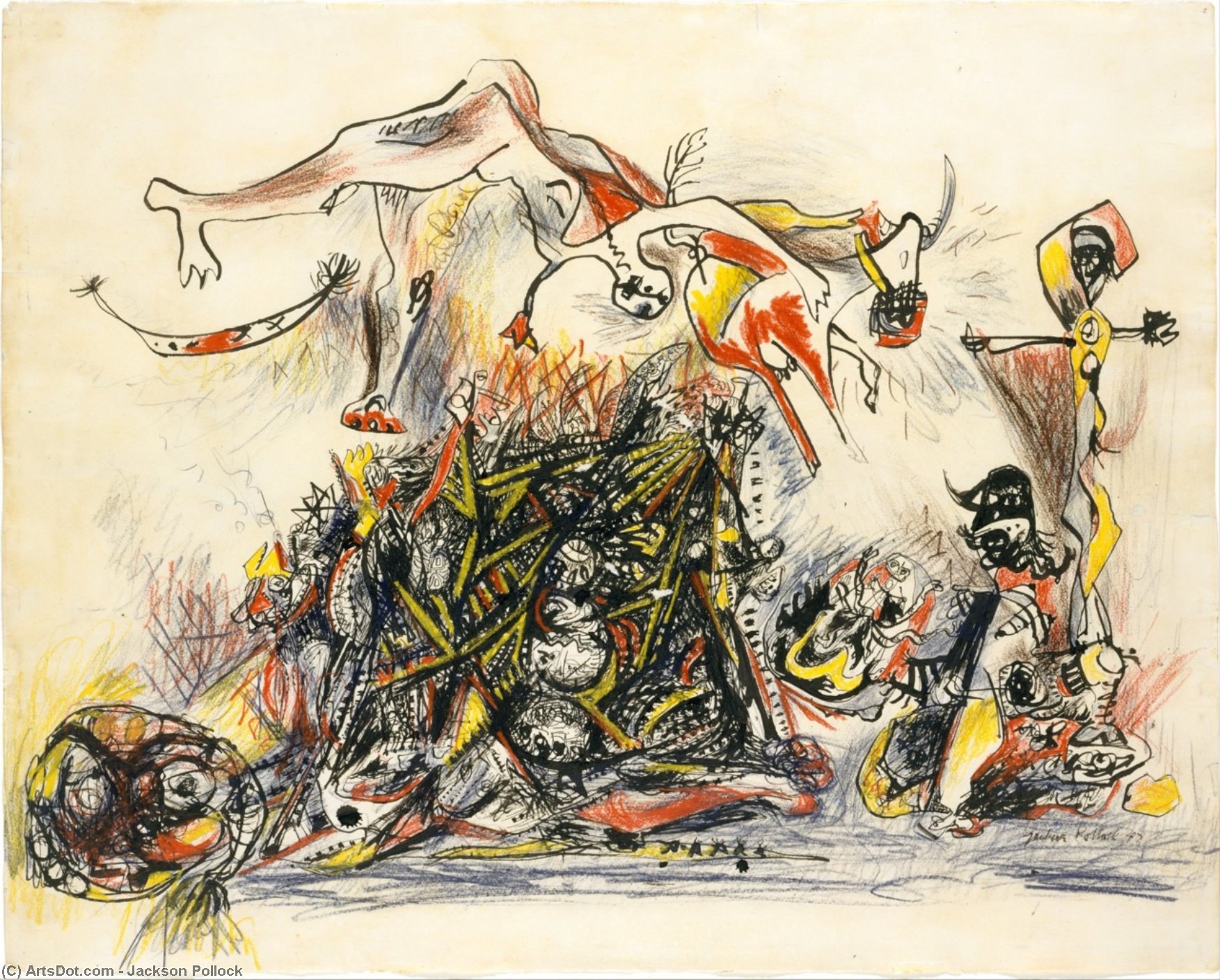
War

잭슨 폴록(1912-1956)은 추상 표현주의의 선구자입니다. 드리핑 기법으로 대표되는 혁신적인 작품 세계를 탐험하고 현대 미술에 지대한 영향을 미쳤습니다. #추상표현주의 #드리핑

지클레 / 아트 프린트

빠른 제작과 다양한 마감 옵션을 제공하는 박물관 품질의 지클레이 또는 캔버스 프린트.

P118B $10
P118H $10
P118W $10
P438Z $10
P508JH $12
P508YH $12
P805H $10
P805Z $10
P919BZ $10
P919G $10
P919XJ $10
P959ZH $10
P968JZ $12
W106C $8
W218G $10
W218JH $8
W218Y $10
W307PJ $10
W316G $10
W316PJ $8
W316Y $10
W398PJ $8
W4111J $10
W500HY $15
W500JH $15
W692G $12
W849H $8
W940BG $15
W953PJ $8

Standard
custom
CM
INCH

작품의 원본 비율을 유지하는 미리 설정된 크기 중에서 선택하세요.

가로 너비
세로 길이

특정 프레임이나 공간에 맞춰 직접 치수를 입력하실 수 있습니다. 선택하신 사이즈가 원본 이미지의 비율과 일치하지 않을 경우, 작품을 크롭(자르기)하거나 이미지를 대칭 또는 단색 채우기로 확장하여 제작합니다. 제작 시작 전, 최종 확인을 위해 디지털 목업이 전송됩니다.
화면상의 미리보기는 실제 크롭이나 확장 상태를 반영하지 않으므로, 최종 구도는 오직 목업을 통해서만 정확하게 확인하실 수 있습니다.
맞춤 사이즈 제작도 가능하지만, 원본 비율을 유지하기 위해서는 사전 정의된 목록에서 치수를 선택하시는 것을 권장합니다.

전 세계 배송()은 일반적인 4~5주의 소요 기간 대신 2주 이내에 완료됩니다. (2 7월)

why_choose_icon
전 세계 무료 특급 배송
why_choose_icon
프리미엄 린넨 캔버스
why_choose_icon
전체 배송 보험 보장
why_choose_icon
관세 환불 보장
why_choose_icon
실제 색상 일치 보장
why_choose_icon
60일 이내 반품 정책 (제조 결함 시)
why_choose_icon
100% 환불 보장
why_choose_icon
다량 구매 할인 혜택

총 합계 금액

-

reproduction

War

지클레 / 아트 프린트

복제본 크기

-

최종 결제 금액

-

작품 정보 요약

  • Title: War
  • Medium: Ink & Colored Pencils
  • Notable elements: Drip technique, figures
  • Artistic style: Chaotic, dynamic
  • Dimensions: 20 5/8 in x 26 in
  • Subject or theme: Conflict, turmoil
  • Influences:
    • Picasso
    • Siqueiros

예술 상식 퀴즈

각 질문의 정답은 하나뿐입니다.

질문 1:
What artistic movement is Jackson Pollock most closely associated with?
질문 2:
The painting 'War' primarily evokes which of the following emotions?
질문 3:
Which artist’s style is most reminiscent of Jackson Pollock's 'War'?
질문 4:
What technique is most prominently featured in Jackson Pollock’s ‘War’?
질문 5:
The painting 'War' was created during which historical period?

작품 상세 설명

War: A Descent into Chaos – Jackson Pollock’s Post-Traumatic Masterpiece

Jackson Pollock's *War*, painted in 1947, isn’t merely a canvas splashed with color; it’s a visceral embodiment of the anxieties and turmoil gripping America in the aftermath of World War II. This monumental work, rendered in thick layers of black ink and colored pencil on paper, plunges the viewer into a maelstrom of fragmented figures, violent gestures, and unsettling symbols – a direct reflection of the psychological landscape of a nation grappling with unprecedented devastation and uncertainty. The painting’s power lies not in representational accuracy but in its raw emotional intensity, a hallmark of Jackson Pollock's pioneering approach to Abstract Expressionism. It’s a piece that demands attention, inviting contemplation on themes of conflict, loss, and the enduring scars of war.

The Language of Drip: Technique and Process

Pollock’s signature “drip” technique is utterly central to *War*'s impact. He abandoned traditional brushwork, instead pouring, dripping, and splattering paint directly onto the canvas laid flat on the floor – a revolutionary act that liberated him from the constraints of easel painting. This method wasn't random; it was meticulously controlled chaos. The layering of ink creates a dense, almost sculptural surface, punctuated by sharp lines and frantic bursts of color—primarily black, red, and yellow—that seem to writhe with barely contained energy. Notice how he utilizes both linear strokes and areas of broad, diffused color, creating a dynamic tension between order and disorder. The sheer physicality of the process is evident in the visible texture and the sense that the painting was actively *made*, rather than passively observed. It’s as if Pollock wrestled with his demons onto the surface, channeling his anxieties into this monumental expression.

Abstract Expressionism: A Reflection of a Fractured World

*War* stands as a pivotal example of Abstract Expressionism, an artistic movement that exploded in New York during the 1940s and 50s. Rejecting European traditions, American artists like Pollock sought to express raw emotion and subjective experience through non-objective forms. Unlike earlier movements focused on depicting reality, Abstract Expressionists aimed to capture the inner world—the anxieties, fears, and hopes—of the individual. *War* embodies this ethos perfectly, eschewing recognizable imagery in favor of a symbolic language that speaks directly to the viewer’s subconscious. It's deeply connected to the broader cultural context of the post-war era, a time marked by disillusionment, fear of nuclear annihilation, and a profound sense of societal upheaval.

Decoding the Symbols: Figures of Conflict and Despair

The painting is populated with unsettling figures—human and animal—engaged in what appears to be a chaotic battle or ritualistic sacrifice. A hooded figure, reminiscent of Christ on the cross, dominates the right side of the composition, while a bull, often associated with primal instincts and aggression, looms over a pile of human debris. The fragmented nature of these forms suggests a breakdown of order and humanity, mirroring the devastation of war. The presence of the animal adds another layer of complexity, hinting at the brutal, instinctual forces that drive conflict. Some art historians have linked the imagery to Picasso’s *Guernica*, suggesting a dialogue between two artists grappling with the horrors of modern warfare. The overall effect is profoundly disturbing, forcing the viewer to confront the uncomfortable realities of violence and loss.

A Legacy of Raw Emotion: Pollock's Enduring Impact

*War* remains a powerfully resonant work, not just for its historical significance but also for its enduring emotional impact. It’s a testament to Jackson Pollock’s innovative technique and his willingness to explore the darkest corners of the human psyche. Reproductions of *War*, offered by WahooArt.com, allow you to bring this monumental piece into your own space, experiencing its raw energy and unsettling beauty firsthand. Its continued relevance speaks volumes about the timeless nature of art's ability to capture and convey the complexities of the human experience—particularly in times of profound turmoil. Consider exploring other works by Pollock, Mark Rothko, or Lee Krasner – artists who similarly sought to express the emotional realities of their era through bold, innovative approaches to painting.

유사한 작품들


작가 약력

초기 생애와 혁신의 씨앗

1912년 미국 와이오밍주 코디에서 태어난 폴 잭슨 폴록은 시작부터 끊임없이 움직이는 자유로운 영혼이었습니다. 그의 어린 시절은 아버지가 미국 서부의 광활한 대지를 누비며 지형 측량사로 일함에 따라 빈번한 이주로 점철되었습니다. 이러한 유랑의 삶은 어린 폴록에게 자연 세계와의 깊은 유대감을 심어주었으며, 측량 여행 중 마주친 원주민 예술을 통해 다양한 문화를 접할 기회를 제공했습니다. 이러한 인상들은 훗날 그의 예술적 비전에 미묘하게 스며들었습니다. 비록 그가 원주민의 양식을 명시적으로 모방하지는 않았지만, 그 초기 경험들이 지닌 가공되지 않은 에너지와 영적인 울림은 의심할 여지 없이 그의 작품 세계에 흔적을 남겼습니다.

폴록의 본격적인 예술 교육은 로스앤젤레스의 매뉴얼 아츠 고등학교에서 시작되었고, 이후 뉴욕 아트 스튜던트 리그에서 토마스 하트 벤슨의 가르침 아래 수학했습니다. 지역주의 운동의 거물이었던 벤슨은 리듬감 있는 구성과 미국적 삶에 뿌리를 둔 서사적 주제를 강조했습니다. 폴록은 처음에 이러한 가르침을 흡수했으나, 그의 내면적인 성향은 더욱 추상적인 탐구 쪽으로 기울어 있었습니다. 또한 그는 호세 클레멘테 오로스코와 같은 멕시코 벽화가들에게 깊은 영향을 받았는데, 사회적 투쟁을 강력하게 묘사한 그들의 작품은 폴록의 마음속에 깊은 공명을 일으켰습니다. 이러한 초기 영향력들은 토대가 되었지만, 폴록의 예술적 잠재력을 진정으로 일깨운 것은 바로 태동하던 초현실주의의 세계였습니다.

액션 페인팅의 탄생과 혁신적 기법

1930년대에 폴록은 전통적인 붓질을 대체할 새로운 방법을 찾기 위해 다양한 기법을 실험했습니다. 그는 물감을 붓기 시작하며 그 유동성과 예측 불가능한 성질을 탐구했습니다. 그러나 그의 예술적 궤적이 근본적으로 변화한 것은 1m47년 무렵이었습니다. 이젤을 완전히 버린 채, 폴록은 캔버스를 바닥에 직접 깔아놓고 훗날 '드리핑 기법'으로 알려지게 될 작업을 시작했습니다. 그는 위에서 캔버스로 물감을 떨어뜨리고, 뿌리고, 끼얹으며 예술가와 매체, 그리고 표면 사이의 역동적인 춤을 연출해 나갔습니다.

이것은 단순히 물감을 바르는 행위가 아니었습니다. 그것은 창조 행위 그 자체를 구현하는 것이었습니다. 폴록의 캔버스는 신체적 표현의 무대가 되었으며, 그의 몸짓과 감정의 즉각성을 포착해냈습니다. 그 결과 탄생한 작품들은 '올오버(all-over)' 구성, 즉 중심점이 결여된 구성을 특징으로 하며, 이는 관람객이 캔버스 전체를 하나의 통일된 에너지 장으로 탐험하도록 유도합니다. 복잡하게 얽힌 선과 색채의 네트워크는 매혹적이면서도 도전적인 시각적 복잡성을 만들어냅니다. 그는 막대기, 칼, 심지어 주사기 같은 비전통적인 도구들을 사용하여 물감을 예측 불가능한 방식으로 다루었으며, 이는 그의 작업 과정이 지닌 즉흥성을 더욱 강조했습니다.

이러한 혁신적인 접근 방식은 제2차 세계대전 이후 뉴욕에서 부상하던 추상표현주의 운동의 중심 인물로 폴록을 자리매김하게 했습니다. 추상표현주의는 즉흥적인 몸짓, 거대한 규모, 그리고 비재현적 이미지를 우선시하며 전통적인 예술 관습으로부터 벗어난 광범위한 문화적 변화를 반영했습니다. 동료 예술가였던 리 크라스너와의 결혼 또한 결정적이었습니다. 그녀는 폴록의 작업이 가진 혁신성을 알아보고 변함없는 정서적 지지를 보내며 그의 예술적 발전을 적극적으로 독려했습니다.

상징적인 작품들과 영원한 유산

Number 1, 1950 (라벤더 미스트), One: Number 31, 1950, Blue Poles: Number 11, 1952, 그리고 Convergence와 같은 폴록의 가장 유명한 작품들은 그의 혁신적인 기법을 증명하는 증거들입니다. 이 그림들은 단순한 이미지가 아닙니다. 그것은 예술가의 신체적 존재감과 정서적 강렬함이 깃든 하나의 퍼포먼스 기록입니다. 이 캔버스들에서 뿜어져 나오는 역동적인 에너지는 손에 잡힐 듯 생생하며, 관람객을 순수 추상의 세계로 끌어들입니다.

그의 스타일은 단순한 미학을 넘어 결과물보다 과정에 대한 탐구로 나아갑니다. 폴록은 전통적인 구성과 재현의 개념을 거부하고, 캔버스 위에 자신의 행동과 감정의 즉각성을 포착하고자 했습니다. 그는 융 심리학에 몰두하여 예술 속에서 원형과 무의식을 탐구했으며, 보편적인 상징과 원초적인 에너지를 끌어내고자 노력했습니다.

미술사에서 폴록이 남긴 영향은 헤아릴 수 없을 정도입니다. 그는 이젤 중심의 방식에서 벗어나 더욱 퍼포먼스적인 접근 방식을 수용함으로써 예술가들이 회화에 접근하는 방식을 근본적으로 바꾸어 놓았습니다. 그의 작업은 뉴욕이 현대 미술의 세계적 중심지로 자리 잡는 데 기여했으며, 유럽 중심의 흐름을 전환하는 역할을 했습니다. 그의 영향력은 컬러 필드 페인팅과 이후의 추상표천주의 양식과 관련된 수많은 후대 예술가들의 작품 속에서도 발견됩니다.

초기에는 일부 비평가들로부터 혼란스럽거나 기술이 부족하다는 부정적인 평가를 받기도 했지만, 1956년 44세의 나이로 요절한 이후 폴록의 명성은 꾸준히 높아졌습니다. 오늘날 그는 관습에 도전하고 예술적 표현의 경계를 재정의하려 했던 선구자로서, 20세기 가장 중요하고 영향력 있는 예술가 중 한 명으로 전 세계적인 인정을 받고 있습니다. 그의 혁신적인 기법과 표현력 넘치는 스타일은 지금도 끊임없이 영감을 주고 자극을 주며, 다음 세대를 향한 그의 영원한 유산을 보장하고 있습니다.

폴 잭슨 폴록

폴 잭슨 폴록

1912 - 1956 , 미국

주요 정보

  • Artistic Movement Or Style: 추상 표현주의
  • Artists Or Movements Influenced By This Artist:
    • 컬러 필드 회화
    • 추상 표현주의
  • Artists Who Influenced This Artist:
    • 호세 클레멘테 오로스코
    • 토마스 하트 벤튼
  • Date Of Birth: 1912년 1월 28일
  • Date Of Death: 1956년 8월 11일
  • Full Name: 폴 잭슨 폴록
  • Nationality: 미국인
  • Notable Artworks (List Of Titles):
    • Number 1, 1950 (Lavender Mist)
    • One: Number 31, 1950
  • Place Of Birth (City And Country): 코디, 미국
테마, 스타일 및 특징별로 분류된 작품들을 만나보세요.