원하는 크기와 액자로 주문 제작되는, 작가들이 직접 캔버스에 손으로 그린 유화 작품입니다. ( 프린트 판매로 전환 디지털 이미지로 전환)





























작품의 원본 비율을 유지하는 미리 설정된 크기 중에서 선택하세요.

특정 프레임이나 공간에 맞도록 직접 크기를 입력할 수 있습니다. 선택하신 크기가 원본 이미지의 비율과 일치하지 않는 경우, 작품을 자르거나 추가적인 손으로 그린 요소를 사용하여 그림을 확장합니다. 제작 시작 전 승인을 위해 디지털 목업을 보내드립니다.
화면 미리 보기는 실제 자르기 또는 확장을 반영하지 않습니다. 최종 구성은 목업을 통해서만 정확하게 확인하실 수 있습니다.
맞춤 크기 제작도 가능하지만, 원본 비율을 유지하기 위해 사전 정의된 목록에서 크기를 선택하시는 것을 권장합니다.

The Giants-Nimrod
복제본 크기
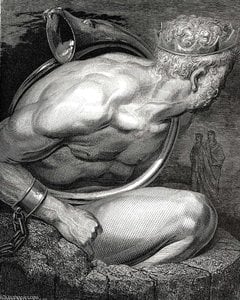
Paul Gustave Doré’s “The Giants—Nimrod,” created in the late 19th century, is more than just an illustration; it's a dramatic tableau that captures a pivotal moment from biblical lore with breathtaking detail and palpable tension. This black-and-white engraving, characteristic of Doré’s signature style, draws viewers into a world of immense scale and symbolic weight, inviting contemplation on themes of power, captivity, and divine judgment. The artwork is part of a larger body of work demonstrating Doré's mastery of the wood engraving technique, a process that allowed for incredible detail and mass reproduction during a time when visual literacy was rapidly expanding.
The composition immediately commands attention. Nimrod, depicted as a colossal figure, dominates the frame, his sheer size emphasizing both his former power and current subjugation. He kneels or crouches, bound by heavy chains that snake around his massive form, culminating in a large ring-like structure—a visual representation of restraint and confinement. Two smaller figures stand before him, their gazes directed upwards, conveying a sense of awe, fear, or perhaps even reverence for the fallen giant. Doré’s masterful use of line is central to the artwork's impact. Dense hatching and cross-hatching techniques create depth, texture, and dramatic shadows, defining Nimrod’s muscular physique with remarkable realism while simultaneously contributing to an overall atmosphere of somber intensity. The interplay of light and shadow, skillfully rendered through varying shades of gray, further accentuates the drama, highlighting the contours of his body and emphasizing the stark contrast between his immense power and his current state of captivity.
The subject matter itself is steeped in biblical significance. Nimrod, a figure from Genesis known for his strength, hunting prowess, and ambition—often interpreted as a symbol of earthly power challenging divine authority—is depicted here not as a conqueror but as a prisoner. The chains and the restraining ring are potent symbols of subjugation, representing the consequences of defying God's will or exceeding human limitations. The smaller figures before him likely represent those affected by Nimrod’s actions, witnessing his downfall and perhaps serving as a cautionary tale about the perils of unchecked ambition. Doré doesn’t merely illustrate a biblical story; he imbues it with layers of symbolic meaning, prompting viewers to consider themes of divine justice, human fallibility, and the transient nature of power. The engraving reflects a broader cultural fascination with biblical narratives during the 19th century, particularly within the Romantic movement's emphasis on dramatic storytelling and emotional intensity.
“The Giants—Nimrod” exemplifies Doré’s unique artistic vision and his profound influence on visual culture. His engravings accompanied countless literary works, including Dante’s *Divine Comedy* and Milton's *Paradise Lost*, shaping the way generations of readers visualized these iconic narratives. Doré’s ability to convey complex emotions and dramatic scenes through the precise use of line and shadow established him as a master of illustration, influencing artists like Vincent van Gogh who directly copied his works in an attempt to capture their emotional power. This particular engraving stands as a testament to Doré's skill—a powerful image that continues to resonate with viewers today, inviting them to contemplate the complexities of human ambition, divine judgment, and the enduring power of visual storytelling.


1832 - 1883 , 프랑스

Explore the profound artistry of black and white photography. From historical mastery to the interplay of light and shadow, discover how monochrome captures timeless emotion and form through a sophisticated lens of art history.

Elevate your most cherished memories with WahooArt’s bespoke service. We transform your personal photos into breathtaking, hand-painted black & white oil masterpieces. Experience museum-quality craftsmanship and timeless elegance for your private collection. Discover the art of legacy.

Explore the profound mastery of engraving and intaglio printmaking. Delve into the rich history, technical precision of the burin, and the enduring legacy of fine art techniques that shaped the world's most iconic masterpieces.


 미리보기
미리보기
 공유하기
공유하기 공유하기
공유하기
 상세 정보
상세 정보 Guide
Guide

 다운로드
다운로드
 유사 작품
유사 작품 X-레이
X-레이 슬라이드 쇼
 통계 정보
통계 정보
 더 보기
더 보기









 유리 옵션은 110cm 미만 크기에서만 선택 가능합니다.