
작가가 직접 캔버스에 손으로 그린 유화 작품으로, 원하는 크기와 액자로 맞춤 제작해 드립니다. ( 프린트 판매로 전환 디지털 이미지 판매 채널로 전환)





























작품의 원본 비율을 그대로 유지하는 프리셋 사이즈 중에서 선택해 보세요.

특정 프레임이나 공간에 맞춰 원하는 크기를 직접 입력하실 수 있습니다. 선택하신 크기가 원본 이미지의 비율과 일치하지 않을 경우, 작품을 자르거나 추가적인 수작업 요소를 더해 그림을 확장하여 제작합니다. 제작 시작 전, 최종 확인을 위해 디지털 목업을 보내드립니다.
화면상의 미리 보기는 실제 크롭(자르기)이나 확장된 상태를 완벽히 반영하지 않을 수 있습니다. 최종 구도는 오직 목업을 통해서만 정확하게 확인하실 수 있습니다.
맞춤 크기 제작도 가능하지만, 원본의 비율을 그대로 유지하기 위해서는 미리 정의된 목록에서 크기를 선택하시는 것을 권장합니다.
카론
복제본 규격
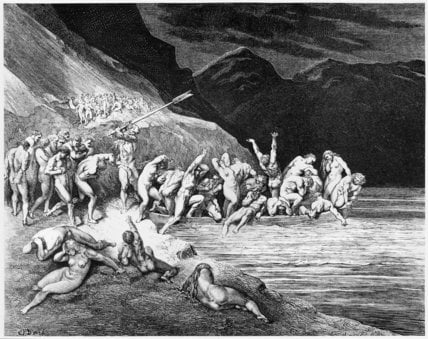
Gustave Doré’s “Charon” – Dante Alighieri’s Inferno Plate IX – transcends mere illustration; it's a visceral plunge into the chilling heart of existential dread. Executed in meticulous black-and-white engraving, circa 1872-73, this artwork isn’t simply depicting a biblical scene; it embodies the profound anxieties surrounding death and judgment that permeated Victorian intellectual circles.
Doré’s genius lies in his masterful manipulation of line work, transforming it into an expressive tool. The extensive hatching and cross-hatching create subtle gradations of tone that imbue the artwork with palpable depth and texture. These techniques aren't merely decorative; they are integral to conveying the oppressive atmosphere of Hell—the cold stone walls, the turbulent waters, and the tormented faces of the damned.
“Charon” is undeniably indebted to Virgil’s epic poem, “Aeneid,” specifically Plate IX from Dante's Inferno. Doré meticulously recreated the scene described by Virgil—the procession of souls before Charon—capturing not only the visual elements but also the emotional core of Dante’s narrative.
Gustave Doré’s “Charon” remains a cornerstone of Victorian art history, demonstrating the power of engraving to communicate profound philosophical ideas. Its enduring appeal stems from its ability to confront viewers with uncomfortable truths about death and human vulnerability—a testament to Doré's artistic vision and his unwavering commitment to dramatic storytelling.
귀스타브 도레의 "카론"의 수작업 복제화는 본 웹사이트의 리넨 캔버스 위에 손으로 직접 그린 유화 복제화에서 만나보실 수 있으며, 현재 페이지를 통해 주문 가능합니다.
귀스타브 도레의 "카론"의 프린트는 현재 페이지에서 바로 주문하실 수 있습니다: 코튼 캔버스 또는 아카이브용 캔버스지에 인쇄된 파인 아트 프린트.
"카론"에서는 드라마틱한 분위기와 함께 애잔한 감정이 느껴집니다.
"카론"의 작가는 귀스타브 도레입니다. 이 작품은 귀스타브 도레의 이름으로 등록되어 있습니다.
귀스타브 도레의 "카론"과(와) 관련된 미술 사조는 Romantic Academic입니다. 이러한 분류를 통해 해당 작품을 관련 작가 및 예술 작품들과 함께 파악할 수 있습니다.
"카론"을(를) 다운로드하실 수 있습니다: 작품의 다운로드 페이지에서 고해상도 디지털 이미지 다운로드 이용이 가능합니다.
"카론"의 색채 강도는 단색조의입니다. 강도는 색상이 얼마나 선명하게 보이는지를 나타냅니다.


1832 - 1883 , 프랑스

Explore the profound mastery of engraving and intaglio printmaking. Delve into the rich history, technical precision of the burin, and the enduring legacy of fine art techniques that shaped the world's most iconic masterpieces.

 실제 크기로 보기
 보내기
보내기 공유하기
공유하기
 상세 보기
상세 보기 가이드 보기

 이미지 다운로드
 유사 작품 더 보기
 X-레이
X-레이 슬라이드 쇼 보기
 통계 정보
통계 정보
 상세 보기
상세 보기









 유리 옵션은 110cm 미만 크기에서만 선택 가능합니다.


