
빠른 제작과 다양한 마감 옵션을 제공하는 박물관 품질의 지클레이 또는 캔버스 프린트. ( 손으로 그린 그림 구매 디지털 이미지로 전환)





























작품의 원본 비율을 유지하는 미리 설정된 크기 중에서 선택하세요.

특정 프레임이나 공간에 맞춰 직접 치수를 입력하실 수 있습니다. 선택하신 사이즈가 원본 이미지의 비율과 일치하지 않을 경우, 작품을 크롭(자르기)하거나 이미지를 대칭 또는 단색 채우기로 확장하여 제작합니다. 제작 시작 전, 최종 확인을 위해 디지털 목업이 전송됩니다.
화면상의 미리보기는 실제 크롭이나 확장 상태를 반영하지 않으므로, 최종 구도는 오직 목업을 통해서만 정확하게 확인하실 수 있습니다.
맞춤 사이즈 제작도 가능하지만, 원본 비율을 유지하기 위해서는 사전 정의된 목록에서 치수를 선택하시는 것을 권장합니다.

도니 키호테 (122)
복제본 크기
Paul Gustave Doré’s “Don Quixote” isn't merely an illustration; it’s a meticulously crafted distillation of Cervantes’ epic tale into a visual language that speaks volumes about ambition, delusion, and the poignant beauty of disillusionment. Executed as a wood engraving—a technique favored during Doré’s era for its ability to achieve astonishing detail and tonal nuance—the artwork captures a pivotal moment from Miguel de Cervantes' novel: Sancho Panza, steadfastly guarding his shield amidst the procession of figures representing Quixote’s fantastical quest.
Style & Technique: Doré’s masterful command of engraving exemplifies Romantic Realism. The intricate linework—characterized by hatching and cross-hatching—creates a palpable sense of texture, mirroring the rough fabric of clothing and the weathered stone of architectural elements. This painstaking process demanded immense patience and precision, resulting in an image that transcends mere representation to convey emotion. It’s a testament to Doré's dedication to capturing not just what he saw but also how it *felt*, reflecting the Romantic movement’s preoccupation with psychological depth.
Composition & Perspective: The central grouping around Sancho Panza dominates the frame, emphasizing his vulnerability against the grandeur of Quixote’s imagined world. Linear perspective guides the viewer's eye into the background, diminishing size and creating depth—a deliberate stylistic choice that underscores the disparity between idealism and reality. This compositional strategy powerfully communicates the narrative’s core conflict: the collision between fantasy and pragmatism.
Color Palette & Lighting: Stripped bare of color—as was customary for engravings—the artwork relies on a masterful grayscale palette to heighten dramatic impact. The single lantern illuminates the scene, casting long shadows that sculpt the figures and amplify the solemnity of the procession, hinting at an underlying irony. Doré skillfully utilizes chiaroscuro – the interplay between light and dark – to draw attention to key elements and imbue the image with a sense of theatrical grandeur.
Symbolism & Emotional Resonance: Doré’s depiction of Sancho Panza's shield—oversized and emblazoned with a circular emblem—serves as a potent symbol of his unwavering loyalty yet also embodies the absurdity of accepting Quixote’s fantasies. The expressions on the faces of the figures convey a palpable sense of formality, mirroring the societal conventions of Cervantes’ time while simultaneously hinting at the tragic consequences of pursuing unattainable dreams. This subtle layering of symbolism elevates “Don Quixote” beyond a simple retelling of the story; it invites contemplation about human nature and the acceptance of limitations.
Historical Context: Produced in 1860-61, “Don Quixote” reflects the Romantic movement’s fascination with myth and legend alongside its commitment to portraying human experience with unflinching honesty. Doré's engraving stands as a cornerstone of Romantic illustration—a captivating reminder that beauty can reside even in confronting uncomfortable truths. It solidified Doré’s reputation as one of the foremost artists of his generation, influencing subsequent generations of illustrators and cementing his place within art history.
A reproduction of “Don Quixote” by Paul Gustave Doré offers more than just an aesthetically pleasing image; it’s an invitation to contemplate the complexities of human aspiration and the bittersweet acceptance of disillusionment—themes that continue to resonate powerfully with audiences today. Consider framing this stunning print in a neutral tone to maximize its impact, allowing Doré's masterful technique and evocative symbolism to shine through.

1832 - 1883 , 프랑스
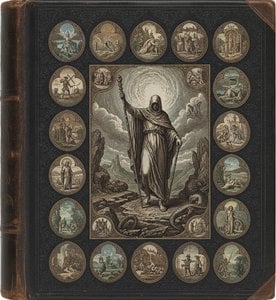
Step into the dramatic world of Gustave Doré. Explore 25 iconic masterpieces of light and shadow, from epic biblical engravings to gothic tales. Find museum-quality art reproductions and timeless decor inspiration. Discover all masterpieces on WahooArt.com.

Explore the evocative power of monochrome through 10 iconic paintings defined by gray tones. From moody landscapes to minimalist masterpieces, discover the stories behind these timeless works and find museum-quality art reproductions for your decor. Explore the full collection on WahooArt.com.

Immerse yourself in the dramatic beauty of Romantic Realism. Explore 10 iconic masterpieces, uncovering the stories and techniques behind these timeless works. Find museum-quality art reproductions to elevate your decor. Discover all masterpieces on WahooArt.com

Journey through history with 10 legendary engravings that redefined art. From Dürer to the masters of intaglio, explore the stories behind these timeless masterpieces. Find museum-quality reproductions and decor inspiration at WahooArt.com. Discover all masterpieces on WahooArt.com


 미리보기
미리보기
 공유하기
공유하기 공유하기
공유하기
 상세 정보
상세 정보

 다운로드
다운로드
 유사 작품
유사 작품 X-레이
X-레이 슬라이드 쇼
 통계 정보
통계 정보

 더 보기
더 보기









 유리 옵션은 110cm 미만 크기에서만 선택 가능합니다.


