































작품의 원본 비율을 유지하는 미리 설정된 크기 중에서 선택하세요.

특정 프레임이나 공간에 맞도록 직접 크기를 입력할 수 있습니다. 선택하신 크기가 원본 이미지의 비율과 일치하지 않는 경우, 작품을 자르거나 추가적인 손으로 그린 요소를 사용하여 그림을 확장합니다. 제작 시작 전 승인을 위해 디지털 목업을 보내드립니다.
화면 미리 보기는 실제 자르기 또는 확장을 반영하지 않습니다. 최종 구성은 목업을 통해서만 정확하게 확인하실 수 있습니다.
맞춤 크기 제작도 가능하지만, 원본 비율을 유지하기 위해 사전 정의된 목록에서 크기를 선택하시는 것을 권장합니다.

도키호테 (146)
복제본 크기
Gustave Doré’s “Don Quixote” isn't merely an illustration; it’s a distillation of Cervantes’ epic tale into a powerfully emotive monochrome print. Executed in the Romantic style, Doré captures not just the narrative action but also the psychological landscape inhabited by Don Quixote and Sancho Panza—a realm where idealism clashes with disillusionment.
The artwork’s breathtaking detail stems from Doré's masterful application of engraving technique. Working on a copper plate, he meticulously incised lines using specialized tools, creating an astonishingly intricate surface texture that conveys both the ruggedness of the Spanish countryside and the palpable tension within the scene. Cross-hatching—the layering of intersecting lines—becomes Doré’s primary tool for achieving tonal variation, subtly shading figures and backgrounds to create a sense of depth and atmosphere.
Doré skillfully orchestrates the visual narrative, positioning Don Quixote and his horse Rocinante prominently in the center frame. The inclusion of Sancho Panza—a grounding presence representing pragmatism—and a reciting poet adds layers of symbolic significance. The receding hillside serves as an anchor for the eye, guiding viewers into the heart of the drama and emphasizing the vastness of Don Quixote’s aspirations against the backdrop of a desolate landscape.
The bleak hilltop setting is deliberately chosen to mirror the protagonist's internal struggle—a confrontation with the harsh realities of existence juxtaposed against his unwavering belief in chivalric ideals. Doré’s muted palette reinforces this mood, conveying melancholy and introspection while simultaneously hinting at the enduring power of imagination and perseverance. The poet’s presence symbolizes the importance of contemplation and artistic expression amidst adversity.
Doré’s “Don Quixote” exemplifies Romantic realism—a movement that sought to depict subjects with unflinching honesty while retaining a heightened sense of emotional intensity. His meticulous attention to detail, combined with his expressive use of line and tone, cemented his place as one of the most influential illustrators of his era. Today, reproductions of this iconic artwork continue to inspire awe and admiration for Doré’s unparalleled artistic vision.

1832 - 1883 , 프랑스

Explore the captivating world of Gustave Doré, master of Romantic realism & iconic illustrator. Discover his dramatic wood engravings, paintings, and sculptures – a legacy shaping art history. Learn more at WahooArt.
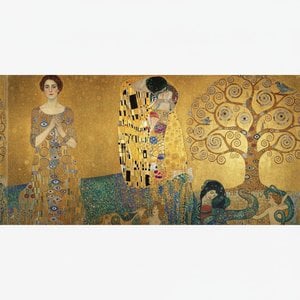
구스타프 클림트의 황홀한 명작 25선을 만나보세요. '키스'부터 '주디트'까지, 빈 분리주의를 대표하는 예술가의 삶과 작품 세계를 탐험합니다. 오스트리아 화가 클림트의 걸작으로 공간에 특별한 감성을 더하세요. WahooArt.com에서 고품질 유화 복제를 만나보세요.

Explore 10 defining masterpieces of Romantic Realism! Discover Courbet, Millet & Daumier's powerful paintings—capturing emotion and social realities. Find museum-quality reproductions for your home at WahooArt.com.

Explore the captivating world of Victorian illustration! Discover Pre-Raphaelite influences, key artists like Rossetti & Stephens, and the era's rich narrative detail. A deep dive for art enthusiasts.

Explore the captivating world of Angelo Chiacchio, a master of mid-century American illustration. Discover his evolution, signature style, and lasting impact on commercial art & design. Learn about his legacy at the Museum of American Illustration.


 미리보기
미리보기
 프린트 구매
 공유하기
공유하기 공유하기
공유하기
 상세 정보
상세 정보

 다운로드
다운로드
 유사 작품
유사 작품 X-레이
X-레이 슬라이드 쇼
 더 보기
더 보기









 유리 옵션은 110cm 미만 크기에서만 선택 가능합니다.


