빠른 제작과 다양한 마감 옵션을 제공하는 박물관 품질의 지클레이 또는 캔버스 프린트. ( 손으로 그린 그림 구매 디지털 이미지로 전환)
작품의 원본 비율을 유지하는 미리 설정된 크기 중에서 선택하세요.

특정 프레임이나 공간에 맞춰 직접 치수를 입력하실 수 있습니다. 선택하신 사이즈가 원본 이미지의 비율과 일치하지 않을 경우, 작품을 크롭(자르기)하거나 이미지를 대칭 또는 단색 채우기로 확장하여 제작합니다. 제작 시작 전, 최종 확인을 위해 디지털 목업이 전송됩니다.
화면상의 미리보기는 실제 크롭이나 확장 상태를 반영하지 않으므로, 최종 구도는 오직 목업을 통해서만 정확하게 확인하실 수 있습니다.
맞춤 사이즈 제작도 가능하지만, 원본 비율을 유지하기 위해서는 사전 정의된 목록에서 치수를 선택하시는 것을 권장합니다.

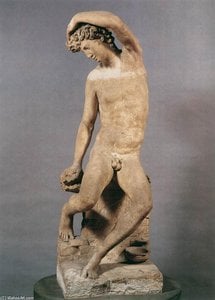
Narcissus
복제본 크기
In the quiet stillness of Paul Dubois’s 1867 masterpiece, Narcissus, we encounter a moment frozen in time, captured with the breathtaking precision of 19-century French classical realism. The sculpture presents the mythological figure not as a boastful youth, but as a soul lost in the depths of his own reflection. As he draws a heavy, draped cloth across his body, his gaze is cast downward, directed toward an unseen pool, inviting the viewer into a private world of melancholy and profound contemplation. This work transcends mere stone, transforming cold marble into a living, breathing study of human vulnerability and the weight of self-awareness.
The technical mastery displayed in this piece is nothing short of extraordinary. Dubois, a student of the prestigious École Nationale des Beaux-Arts, utilizes his deep understanding of anatomy to create a figure that feels both monumental and incredibly delicate. The interplay of light and shadow—even when viewed through the lens of photography—reveals a sophisticated command over texture. One can almost feel the contrast between the smooth, polished skin of the subject and the voluminous, undulating folds of the drapery that cascade around him. This meticulous carving creates a sense of three-dimensionality that commands attention, making it an ideal centerpiece for any collection seeking to evoke a sense of classical grandeur.
Beyond its physical beauty, Narcissus serves as a poignant exploration of one of mythology's most enduring themes: the duality of self-love and self-destruction. The act of gazing downward symbolizes the inward turn of the spirit, representing both the beauty of introspection and the danger of vanity. For the discerning collector or interior designer, this piece offers more than just aesthetic pleasure; it provides a narrative depth that can anchor a room with intellectual gravity. The sculpture’s ability to evoke emotion—ranging from quiet peace to a haunting sense of loss—makes it a versatile element for sophisticated spaces, whether in a formal gallery setting or a curated private study.
The historical context of the work further enhances its value. Created during a period when French sculptors were revitalizing the classical traditions of Rome, Dubois’s work carries the prestige of the Légion d'honneur and the rigorous training of the Beaux-Arts tradition. To possess a reproduction of such a significant piece is to hold a fragment of art history. It brings into a contemporary interior the timeless elegance of the 19th century, bridging the gap between the ancient myths of antiquity and the modern appreciation for fine craftsmanship and emotional resonance.


1829 - 1905 , France

Explore the profound legacy of marble sculpture, from Classical antiquity to Neoclassical mastery. A definitive guide for elite collectors and designers seeking to integrate the luminous, eternal beauty of stone into sophisticated, high-end architectural spaces.

Embark on a sophisticated journey through the history of classical sculpture. From Ancient Greek mastery to Renaissance bronze, discover the profound beauty and enduring legacy of the world's most iconic sculptural masterpieces.

Master the nuances of three-dimensional art with our expert guide. Explore sculptural history, from Phidias to Neoclassicism, and learn to evaluate materiality, form, and technique like a true connoisseur. Elevate your collection with profound insights into the world of sculpture.

Discover the sublime beauty of marble art through an expert exploration of Renaissance and Neoclassical masterpieces. From the delicate textures of Carpeaux to the grandeur of Sansovino, immerse yourself in a guide to timeless elegance and sculptural perfection.

Transform cherished photos into breathtaking 3D sculptures and marble busts with WahooArt AI. Experience the pinnacle of luxury art commissions, blending cutting-edge technology with classical mastery to create timeless, museum-quality heirlooms for your private collection.


 공유하기
공유하기 공유하기
공유하기
 상세 정보
상세 정보

 다운로드
다운로드
 유사 작품
유사 작품 슬라이드 쇼
 통계 정보
통계 정보


 더 보기
더 보기






































 유리 옵션은 110cm 미만 크기에서만 선택 가능합니다.