

빠른 제작과 다양한 마감 옵션을 제공하는 박물관 수준의 지클레이 및 캔버스 프린트. ( 수작업 채색 복제본 주문하기 디지털 이미지로 전환)





























작품의 원본 비율을 그대로 유지하는 프리셋 사이즈 중에서 선택해 보세요.

액자나 벽면 크기에 맞춰 필요한 가로와 세로 길이를 입력해 주세요. 프린트는 원본 이미지보다 크게 제작할 수 없으며 오직 자르는 것만 가능하므로, 비율이 다른 사이즈를 선택할 경우 이미지의 일부가 잘려 나갈 수 있습니다. 인쇄 작업에 들어가기 전, 최종 확인을 위해 디지털 목업을 보내드립니다. 이 페이지에 표시된 이미지는 실제 잘리는 영역을 나타내지 않으며, 오직 목업을 통해서만 정확한 확인이 가능합니다.
untitled (2863)
복제본 크기
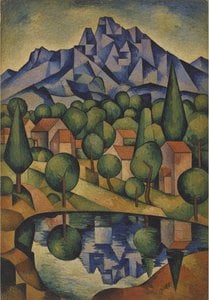
Paul Cézanne, a name synonymous with the dawn of modern art, often explored landscapes and still lifes that quietly revolutionized painting. However, nestled within his extensive oeuvre is a powerfully emotive work – currently known only as “untitled (2863)” – depicting a scene of childbirth. This painting, while lacking specific documentation regarding its creation or intended audience, offers a raw and intimate glimpse into the human experience, rendered with Cézanne’s signature blend of observation and formal innovation. The composition immediately draws the viewer into a private moment: a woman lies upon a bed, her posture suggesting the culmination of labor. The presence of three other figures – two standing observers and one seated attendant holding a bowl, perhaps for sustenance or cleansing – creates a sense of both support and voyeurism. The inclusion of everyday objects like an orange and banana on the left side, alongside a bottle near the center, grounds the scene in domestic reality, contrasting sharply with the monumental event unfolding.
To understand this painting within Cézanne’s broader artistic journey is to appreciate his complex relationship with art history. Born into a relatively prosperous family in Aix-en-Provence, he initially pursued legal studies before dedicating himself fully to painting. His early work was influenced by Romanticism and the Barbizon school, but it was his engagement with Impressionism – and subsequent departure from its fleeting effects – that truly defined his path. While “untitled (2863)” doesn’t exhibit the broken brushstrokes typically associated with Impressionism, it shares a commitment to capturing a specific moment in time. However, Cézanne moves beyond mere visual impression; he is concerned with underlying structure and form. The figures aren't idealized or romanticized as they might have been in earlier historical paintings of similar subjects. Instead, they are rendered with a deliberate solidity, foreshadowing the geometric explorations that would become central to Cubism. The painting’s muted yet vibrant color palette, characteristic of Cézanne’s mature style, further enhances this sense of grounded realism.
The symbolism within “untitled (2863)” is subtle but potent. Birth, universally recognized as a symbol of renewal and life's cyclical nature, is presented not with celebratory grandeur, but with an unflinching honesty. The fruit – the orange and banana – could be interpreted as symbols of fertility and nourishment, while the bowl held by the attendant suggests care and support. However, Cézanne avoids overt symbolism, allowing the emotional weight of the scene to emerge from the raw depiction of human vulnerability. The painting doesn’t offer easy answers or sentimental comfort; it presents a moment of profound physical and emotional intensity. The woman's exposed position, while potentially unsettling to some viewers, is not presented as scandalous but rather as an honest portrayal of the birthing process. It evokes feelings of empathy, awe, and perhaps even a touch of discomfort – emotions that are integral to the experience of witnessing new life enter the world.
Though often celebrated for his still lifes and landscapes, “untitled (2863)” reveals another facet of Cézanne’s artistic genius: his ability to tackle challenging subjects with both sensitivity and formal rigor. This painting, like much of his work, served as a crucial stepping stone towards the development of modern art. His emphasis on underlying structure, his exploration of color and form, and his rejection of traditional perspective paved the way for movements like Cubism, profoundly influencing artists such as Pablo Picasso and Henri Matisse who famously declared Cézanne “the father of us all.” A reproduction of this powerful work offers not only a beautiful addition to any art collection but also a connection to a pivotal moment in art history – a testament to Cézanne’s enduring legacy and his unwavering commitment to capturing the essence of human experience.
전반적으로 "untitled (2863)"의 밝기는 shadow로 기록되었습니다. 인지된 밝기는 작품이 얼마나 밝거나 어둡게 느껴지는지를 나타냅니다.
"untitled (2863)"은(는) 폴 세잔가 Bridged Impressionism and Cubism. 양식으로 제작한 작품입니다. 작가와 미술 사조를 통해 해당 작품의 예술적 전통을 확인할 수 있습니다.
"untitled (2863)"의 색상은 Soft Shadow 정도의 휘도를 나타냅니다.

1839 - 1906 , 프랑스

Explore the transformative era of Post-Impressionism. Discover how masters like Cézanne and Matisse revolutionized color and form, moving beyond Impressionism to shape modern art history through structural innovation and expressive emotion.
Explore the profound legacy of Paul Cézanne. Discover how his mastery of geometric forms and vibrant color bridged Impressionism and Cubism, offering timeless inspiration for fine art collectors and enthusiasts seeking to understand the foundations of modern art.

인상주의의 빛나는 찰나와 후기 인상주의의 강렬한 감정을 깊이 있게 탐구합니다. 모네부터 고흐까지, 거장들의 예술적 혁명을 통해 클래식 미술의 정수를 만나보세요. WahooArt는 숙련된 화가들이 100% 수작업으로 재현하는 프리미엄 유화 복제와 맞춤형 초상화 서비스를 통해 당신의 공간에 품격 있는 예술적 가치를 선사합니다.

Unveil the profound revolution of Post-Impressionism. Explore how masters like Van Gogh and Cézanne utilized bold colors and emotional depth to transcend mere representation, laying the foundation for modern art. A sophisticated journey through history's most emotive brushstrokes.
 미리보기
미리보기
 공유하기
공유하기 공유하기
공유하기
 상세 정보
상세 정보 가이드 보기

 다운로드
다운로드
 유사 작품 더 보기
 X-레이
X-레이 슬라이드 쇼 보기
 질의응답
질의응답
 통계 정보
통계 정보
 더 보기
더 보기









 유리 옵션은 110cm 미만 크기에서만 선택 가능합니다.


