Oil On CanvasWallArtPost-Impressionism
 187819th Century
 56.0 x 72.0 cm
빠른 제작과 다양한 마감 옵션을 제공하는 박물관 품질의 지클레이 또는 캔버스 프린트. ( 손으로 그린 그림 구매 디지털 이미지로 전환)





























작품의 원본 비율을 유지하는 미리 설정된 크기 중에서 선택하세요.

특정 프레임이나 공간에 맞춰 직접 치수를 입력하실 수 있습니다. 선택하신 사이즈가 원본 이미지의 비율과 일치하지 않을 경우, 작품을 크롭(자르기)하거나 이미지를 대칭 또는 단색 채우기로 확장하여 제작합니다. 제작 시작 전, 최종 확인을 위해 디지털 목업이 전송됩니다.
화면상의 미리보기는 실제 크롭이나 확장 상태를 반영하지 않으므로, 최종 구도는 오직 목업을 통해서만 정확하게 확인하실 수 있습니다.
맞춤 사이즈 제작도 가능하지만, 원본 비율을 유지하기 위해서는 사전 정의된 목록에서 치수를 선택하시는 것을 권장합니다.

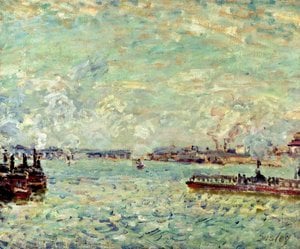
The Seine at Bercy
복제본 크기
In the heart of Paris, where the rhythmic pulse of the city meets the gentle flow of the water, Paul Cézanne captured a moment that transcends mere scenery. The Seine at Bercy, painted in 1878, is far more than a tranquil riverside landscape; it is a profound distillation of the Impressionist spirit, infused with the nascent, structural explorations that would eventually pave the way for Cubism. As one gazes upon this canvas, they are not just observing a river, but witnessing a pivotal moment in art history where the fleeting light of the Belle Époque began to coalesce into something more permanent and architectural.
The scene unfolds with a lively, bustling energy, presenting a panoramic view of the Seine at Bercy. Small boats drift near the shore while larger vessels navigate the deeper waters, creating a sense of movement and purpose. Amidst this aquatic dance, figures populate the banks, their presence adding a layer of human narrative to the landscape. A horse, visible in the foreground, anchors the composition, grounding the viewer in the everyday vitality of 19th-century Parisian life. It is a painting that breathes with the activity of a city in motion, yet it possesses an underlying stillness that invites deep contemplation.
What truly distinguishes this masterpiece from its Impressionistic predecessors is Cézanne’s revolutionary approach to technique. While contemporaries like Monet sought to dissolve form into shimmering reflections and atmospheric haze, Cézanne utilized a bold, deliberate method to sculpt the canvas. He employed thick impasto—heavily textured paint applied with significant pressure—to create palpable ridges and valleys across the surface. These expressive brushstrokes do not merely represent shapes; they define them, fracturing the river and sky into geometric planes that anticipate the analytical brilliance of modern art.
This technique allows the viewer to experience a sense of solidity and permanence amidst the dynamism of the scene. Cézanne painstakingly rebuilt his subjects from multiple viewpoints simultaneously, a method designed to convey not just visual information, but an emotional resonance. For the collector or interior designer, this creates a piece that possesses incredible depth; it is a painting that changes as the light in a room shifts, offering new textures and perspectives with every glance. The interplay of heavy texture and structured composition makes it a commanding presence in any curated space.
To own a reproduction of The Seine at Bercy is to possess a fragment of the bridge between two eras. Cézanne stands as the monumental figure who connected the ephemeral beauty of Impressionism with the structured complexity of the 20 many-century avant-garde. His ability to capture how a scene felt—the weight of the water, the solidity of the earth, and the vibrant pulse of human existence—makes this work an enduring source of inspiration.
For those seeking to transform a living space, this artwork offers more than decoration; it offers an atmosphere of sophisticated history and intellectual depth. Whether placed in a sun-drenched gallery or a contemporary study, the painting’s rich textures and historical gravity serve as a conversation piece that celebrates the enduring beauty of the Parisian spirit. It is an invitation to slow down, to observe the structure within the movement, and to find beauty in the deliberate, textured reality of the world around us.


1839 - 1906 , 프랑스

Discover the excellence of WahooArt.com premium poster prints. Designed for elite collectors, our museum-quality Giclée reproductions offer unmatched durability and archival precision to elevate your luxury interiors with high-impact, sophisticated art decor.

Elevate your design projects with WahooArt's premium canvas prints and hand-painted reproductions. From Giclée excellence to bespoke oil commissions, we provide professional decorators with museum-quality, affordable art solutions delivered worldwide with a 100% satisfaction guarantee.


 미리보기
미리보기
 공유하기
공유하기 공유하기
공유하기
 상세 정보
상세 정보

 다운로드
다운로드
 유사 작품
유사 작품 X-레이
X-레이 슬라이드 쇼
 통계 정보
통계 정보 더 보기
더 보기









 유리 옵션은 110cm 미만 크기에서만 선택 가능합니다.