
빠른 제작과 다양한 마감 옵션을 제공하는 박물관 품질의 지클레이 또는 캔버스 프린트. ( 손으로 그린 그림 구매 디지털 이미지로 전환)





























작품의 원본 비율을 유지하는 미리 설정된 크기 중에서 선택하세요.

특정 프레임이나 공간에 맞춰 직접 치수를 입력하실 수 있습니다. 선택하신 사이즈가 원본 이미지의 비율과 일치하지 않을 경우, 작품을 크롭(자르기)하거나 이미지를 대칭 또는 단색 채우기로 확장하여 제작합니다. 제작 시작 전, 최종 확인을 위해 디지털 목업이 전송됩니다.
화면상의 미리보기는 실제 크롭이나 확장 상태를 반영하지 않으므로, 최종 구도는 오직 목업을 통해서만 정확하게 확인하실 수 있습니다.
맞춤 사이즈 제작도 가능하지만, 원본 비율을 유지하기 위해서는 사전 정의된 목록에서 치수를 선택하시는 것을 권장합니다.

The Robbers and the Donkey
복제본 크기
Paul Cézanne’s "The Robbers and the Donkey," painted in 1870, is a captivating glimpse into the artist's early explorations of narrative and form. The painting depicts a scene brimming with tension and ambiguity: a group of figures seemingly engaged in conflict on a beach near the water. At least ten individuals populate the canvas, some holding umbrellas, others gesturing dramatically, creating a sense of bustling activity. A solitary donkey stands amidst this human drama, its presence adding an element of unexpected stillness to the dynamic scene. The setting, bathed in sunlight and marked by shadows, suggests a warm day at the coast.
The painting’s narrative remains open to interpretation. Are these truly robbers? What is the nature of their conflict? Cézanne deliberately avoids providing easy answers, inviting viewers to construct their own stories around the scene. The donkey, seemingly oblivious to the turmoil surrounding it, becomes a symbol of quiet endurance and perhaps even a touch of irony.
"The Robbers and the Donkey" showcases Cézanne's developing artistic style during his early career. While rooted in Romanticism—evident in the dramatic composition and emotional intensity—the painting also hints at the artist’s future explorations of form and structure that would define his later Post-Impressionist work.
Cézanne employs a loose, expressive brushstroke, characteristic of the Romantic period. The use of color is deliberate, with warm tones contrasting against cooler shades to create depth and atmosphere. Notice how he uses light and shadow not just to depict form but also to guide the viewer's eye through the composition. This early work demonstrates Cézanne’s growing interest in breaking away from traditional academic conventions and forging his own unique visual language.
Painted during a period of significant social and political change, "The Robbers and the Donkey" reflects a broader cultural fascination with themes of conflict, morality, and the human condition. The Romantic movement emphasized emotion and individualism, and Cézanne’s painting captures this spirit through its dramatic subject matter and expressive style.
Beyond the immediate narrative, the painting can be interpreted as a commentary on social inequality or the precariousness of life. The presence of the donkey—a symbol of labor and humility—adds another layer of meaning to the scene. It could represent the marginalized members of society, observing the struggles of those in power.
"The Robbers and the Donkey" evokes a range of emotions in the viewer: curiosity, suspense, perhaps even a touch of unease. The painting’s ambiguity allows for multiple interpretations, making it a deeply engaging and thought-provoking work of art.
This early masterpiece foreshadowed Cézanne's groundbreaking contributions to modern art. His exploration of form, color, and perspective paved the way for future generations of artists, solidifying his place as one of the most influential figures in Western art history. Owning a reproduction of "The Robbers and the Donkey" is not just acquiring a beautiful image; it’s embracing a piece of artistic heritage that continues to inspire and challenge us today.

1839 - 1906 , 프랑스
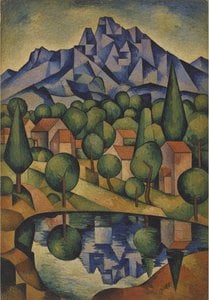
Explore the profound legacy of Paul Cézanne. Discover how his mastery of geometric forms and vibrant color bridged Impressionism and Cubism, offering timeless inspiration for fine art collectors and enthusiasts seeking to understand the foundations of modern art.

Explore the structural genius of Paul Cézanne. Discover how his mastery of geometric form and color bridged Impressionism and Cubism in this definitive guide for art enthusiasts and collectors.


 미리보기
미리보기
 공유하기
공유하기 공유하기
공유하기
 상세 정보
상세 정보 가이드 보기

 다운로드
다운로드
 유사 작품
유사 작품 X-레이
X-레이 슬라이드 쇼
 통계 정보
통계 정보


 더 보기
더 보기









 유리 옵션은 110cm 미만 크기에서만 선택 가능합니다.


