
빠른 제작과 다양한 마감 옵션을 제공하는 박물관 품질의 지클레이 또는 캔버스 프린트. ( 손으로 그린 그림 구매 디지털 이미지로 전환)





























작품의 원본 비율을 유지하는 미리 설정된 크기 중에서 선택하세요.

특정 프레임이나 공간에 맞춰 직접 치수를 입력하실 수 있습니다. 선택하신 사이즈가 원본 이미지의 비율과 일치하지 않을 경우, 작품을 크롭(자르기)하거나 이미지를 대칭 또는 단색 채우기로 확장하여 제작합니다. 제작 시작 전, 최종 확인을 위해 디지털 목업이 전송됩니다.
화면상의 미리보기는 실제 크롭이나 확장 상태를 반영하지 않으므로, 최종 구도는 오직 목업을 통해서만 정확하게 확인하실 수 있습니다.
맞춤 사이즈 제작도 가능하지만, 원본 비율을 유지하기 위해서는 사전 정의된 목록에서 치수를 선택하시는 것을 권장합니다.

the artistss son, paul
복제본 크기
In the quietude of Paul Cézanne’s “The Artist's Son, Paul,” painted around 1890, one finds much more than a mere familial likeness; one encounters a profound meditation on presence and permanence. The portrait captures a young man seated with an air of solemnity, his gaze fixed intently upon the viewer with an expression that suggests a depth of thought far beyond his years. This is not the fleeting, sun-drenched moment captured by the Impressionists, but rather a deliberate construction of character. Through this work, Cézanne invites us into a space of contemplation, where the boundaries between the subject and the observer begin to blur, creating an emotional resonance that remains as potent today as it was in the late nineteenth century.
The composition is deceptively simple, yet it possesses an underlying structural integrity that commands attention. The young man sits before a framed photograph, a detail that introduces a fascinating layer of meta-narrative—a portrait within a portrait. This element serves to anchor the subject in a moment of stillness, contrasting the ephemeral nature of memory with the physical reality of the painted form. For the discerning collector or interior designer, this piece offers a sophisticated focal point, bringing a sense of intellectual weight and historical gravity to any curated space.
To look closely at Cézanne’s technique is to witness the birth of modernism. While his contemporaries were often preoccupied with the transient effects of light, Cézanne sought the eternal architecture hidden within his subjects. In this portrait, he employs a masterful blend of Impressionistic observation and a burgeoning geometric rigor. He meticulously analyzes the underlying structure of the face and clothing, breaking down complex organic shapes into fundamental planes and volumes. This reductive approach—treating the world as a collection of cylinders, spheres, and cones—would later become the foundational language of Cubism.
The texture of the painting is equally captivating. Cézanne utilizes thick, deliberate brushstrokes that are layered upon one another to create a surface imbued with palpable physicality. This technique does not merely represent skin or fabric; it builds them, giving the subject a sculptural presence. The color palette is intentionally muted, favoring earthy and somber tones that contribute to the painting’s dignified and serious atmosphere. These subtle shifts in hue and value create a sense of depth and volume, ensuring that the portrait feels less like a flat image and more like a living, breathing entity emerging from the canvas.
Historically, “The Artist's Son” stands as a pivotal bridge between two of the most influential movements in art history: Impressionism and Post-Impressionism. It captures the precise moment when the spontaneous energy of the late nineteenth century began to coalesce into the structured, analytical explorations of the early twentieth century. Cézanne’s ability to maintain the emotional warmth of his subject while imposing a rigorous formal order is what makes this work so enduringly relevant.
For those seeking to adorn a home or gallery with a high-quality reproduction, this painting offers an unparalleled opportunity to possess a piece of art history. It is a work that transcends decoration; it is an invitation to slow down, to observe, and to find beauty in the structured stillness of life. Whether placed in a contemporary minimalist setting or a more traditional study, Cézanne’s masterpiece provides a timeless elegance and a profound sense of peace, making it an exquisite choice for anyone looking to infuse their environment with artistic depth and historical significance.


1839 - 1906 , 프랑스

Embark on a visual journey through Paul Cézanne’s 25 most iconic Post-Impressionist masterpieces. Uncover the stories, textures, and revolutionary techniques that shaped modern art. Find museum-quality reproductions for inspired decor at WahooArt.com. Discover all masterpieces on WahooArt.com.

Step into the vibrant world of Post-Impressionism. Discover the stories behind 10 iconic masterpieces by legends like Van Gogh and Cézanne. From expressive brushwork to bold colors, find museum-quality art reproductions and decor inspiration at WahooArt.com. Explore the full collection online.
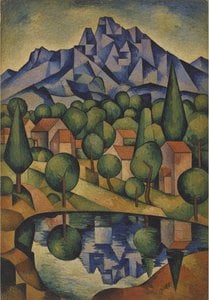
Explore the profound legacy of Paul Cézanne. Discover how his mastery of geometric forms and vibrant color bridged Impressionism and Cubism, offering timeless inspiration for fine art collectors and enthusiasts seeking to understand the foundations of modern art.


 미리보기
미리보기
 공유하기
공유하기 공유하기
공유하기
 상세 정보
상세 정보 가이드 보기

 다운로드
다운로드
 유사 작품
유사 작품 X-레이
X-레이 슬라이드 쇼
 통계 정보
통계 정보

 더 보기
더 보기









 유리 옵션은 110cm 미만 크기에서만 선택 가능합니다.


