

작가가 직접 캔버스에 손으로 그린 유화 작품으로, 원하는 크기와 액자로 맞춤 제작해 드립니다. ( 프린트 판매로 전환 디지털 이미지 판매 채널로 전환)





























작품의 원본 비율을 그대로 유지하는 프리셋 사이즈 중에서 선택해 보세요.

액자나 벽면 크기에 맞춰 필요한 가로와 세로 길이를 입력해 주세요. 본 작품은 수작업으로 제작되므로, 요청하신 비율에 따라 작가가 그림의 가장자리를 조금 더 넓게 그리거나 일부를 조정하여 작업할 수 있습니다. 작업 시작 전, 최종 확인을 위해 디지털 목업 이미지를 보내드립니다. 이 페이지에 표시된 이미지는 실제 결과물과 다를 수 있으며, 오직 목업 이미지만이 정확한 결과물을 보여줍니다.
Self-Portrait (Phillips)
복제본 규격
Paul Cézanne's Self-Portrait, painted between 1878 and 1880 – a remarkably intimate work housed within the esteemed Phillips Collection in Washington D.C. – stands as more than just a likeness; it’s a profound meditation on artistic identity, the passage of time, and the very nature of perception. This pivotal piece, belonging to the burgeoning Post-Impressionist movement, offers a rare glimpse into the mind of an artist grappling with his own place within the evolving landscape of European art. Cézanne wasn't simply documenting his appearance; he was constructing a visual statement, meticulously layering observation and emotion onto the canvas.
Emerging from the shadows of Impressionism – that movement’s focus on fleeting light and ephemeral moments – Cézanne sought to delve deeper, to uncover the underlying structure of reality. He rejected the purely optical approach of his predecessors, instead prioritizing form, line, and color as fundamental building blocks. This is strikingly evident in this self-portrait; the simplified background, a muted yellow wall that provides a warm, almost sculptural counterpoint to the figure, directs all attention towards Cézanne himself. The brushstrokes are deliberately visible, not blended into seamlessness but rather retaining their individual character, creating a textured surface that invites close scrutiny.
Cézanne's technique in this portrait is revolutionary for its time. He employed a method he termed “alla prima,” working directly onto the canvas with minimal underpainting, building up color and form rapidly. This approach resulted in a dynamic interplay of planes and angles – a deliberate departure from the smooth, atmospheric effects favored by Impressionists. Notice how Cézanne breaks down his face into geometric shapes: the bald patch on his head is rendered as a distinct plane, the contours of his nose and mouth are sharply defined, and even the folds of his clothing are constructed with careful attention to volume and perspective. This isn’t merely a realistic depiction; it's an exploration of how we *see* – a translation of three-dimensional space onto a two-dimensional surface.
The use of color is equally significant. Cézanne employs a restrained palette, dominated by earthy tones—ochres, browns, and blues—that lend the portrait a sense of quiet dignity. However, within this muted range, he skillfully utilizes subtle shifts in hue to create depth and volume. The warm yellows of the background contrast with the cooler tones of the figure’s skin, drawing the eye inward and emphasizing his presence. He was particularly interested in capturing the effects of light on color, a concept that would profoundly influence later artists like Matisse and Picasso.
The direct gaze of Cézanne’s self-portrait is remarkably arresting. He meets the viewer with an expression of quiet intensity – a mixture of seriousness and introspection. There's a hint of melancholy in his eyes, perhaps reflecting the challenges he faced as an artist during a period of critical rejection. Yet, there’s also a sense of resilience, a determination to pursue his artistic vision despite the odds. The portrait isn’t simply about presenting a likeness; it’s about revealing something of Cézanne's inner world – his thoughts, his struggles, and his unwavering commitment to art.
Considering the context of Post-Impressionism, this self-portrait represents a pivotal moment in artistic history. Cézanne was laying the groundwork for modern art, challenging traditional notions of representation and paving the way for abstraction. His work continues to resonate with viewers today because it speaks to universal themes of identity, perception, and the human condition. A high-quality reproduction of this masterpiece offers a tangible connection to one of the most influential artists of all time – an opportunity to bring a touch of timeless elegance and intellectual depth into your home or office.
WahooArt.com is proud to offer meticulously crafted, hand-painted reproductions of Paul Cézanne’s Self-Portrait. Our artisans employ traditional oil painting techniques and archival-quality materials to faithfully recreate the nuances of this iconic work. Each reproduction captures not only the visual details but also the emotional depth and artistic intent of the original. Whether you are an art enthusiast, a collector, or simply seeking a stunning piece of décor, our reproductions provide a beautiful and authentic way to experience the genius of Paul Cézanne.
"Self-Portrait (Phillips)"의 색채 조화는 Strong Color Unity로 기록되어 있습니다.
세잔의 "Self-Portrait (Phillips)"의 프린트를 구매하시려면, 해당 작품의 파인 아트 프린트 페이지에서 간단히 주문하실 수 있습니다: 코튼 캔버스 또는 아카이브용 캔버스지에 인쇄된 파인 아트 프린트.
세잔의 "Self-Portrait (Phillips)"의 색채 분석은 Balanced한 대비와 Strong Color Unity한 조화를 보여줍니다.

1839 - 1906 , 프랑스
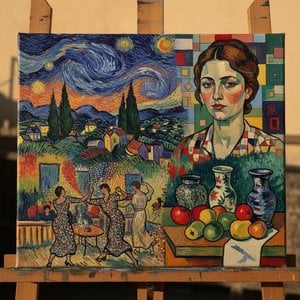
Unveil the profound revolution of Post-Impressionism. Explore how masters like Van Gogh and Cézanne utilized bold colors and emotional depth to transcend mere representation, laying the foundation for modern art. A sophisticated journey through history's most emotive brushstrokes.
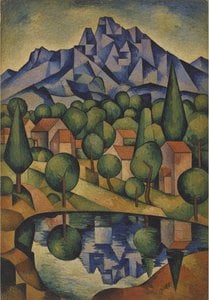
Explore the profound legacy of Paul Cézanne. Discover how his mastery of geometric forms and vibrant color bridged Impressionism and Cubism, offering timeless inspiration for fine art collectors and enthusiasts seeking to understand the foundations of modern art.

Explore the transformative era of Post-Impressionism. Discover how masters like Cézanne and Matisse revolutionized color and form, moving beyond Impressionism to shape modern art history through structural innovation and expressive emotion.

인상주의의 빛나는 찰나와 후기 인상주의의 강렬한 감정을 깊이 있게 탐구합니다. 모네부터 고흐까지, 거장들의 예술적 혁명을 통해 클래식 미술의 정수를 만나보세요. WahooArt는 숙련된 화가들이 100% 수작업으로 재현하는 프리미엄 유화 복제와 맞춤형 초상화 서비스를 통해 당신의 공간에 품격 있는 예술적 가치를 선사합니다.

Explore the vibrant evolution of Post-Impressionism. From Seurat's revolutionary Pointillism to the emotional depth of masters, discover how this movement redefined modern art history through color, structure, and unparalleled creative expression.

 실제 크기로 보기
 보내기
보내기 공유하기
공유하기
 상세 보기
상세 보기 가이드 보기

 이미지 다운로드
 유사 작품 더 보기
 X-레이
X-레이 슬라이드 쇼 보기
 통계 정보
통계 정보

 상세 보기
상세 보기









 유리 옵션은 110cm 미만 크기에서만 선택 가능합니다.


