
 OilWallArtPost-Impressionism
 188219th Century
 65.0 x 50.0 cm
 오르세 미술관
빠른 제작과 다양한 마감 옵션을 제공하는 박물관 품질의 지클레이 또는 캔버스 프린트. ( 손으로 그린 그림 구매 디지털 이미지로 전환)





























작품의 원본 비율을 유지하는 미리 설정된 크기 중에서 선택하세요.

특정 프레임이나 공간에 맞춰 직접 치수를 입력하실 수 있습니다. 선택하신 사이즈가 원본 이미지의 비율과 일치하지 않을 경우, 작품을 크롭(자르기)하거나 이미지를 대칭 또는 단색 채우기로 확장하여 제작합니다. 제작 시작 전, 최종 확인을 위해 디지털 목업이 전송됩니다.
화면상의 미리보기는 실제 크롭이나 확장 상태를 반영하지 않으므로, 최종 구도는 오직 목업을 통해서만 정확하게 확인하실 수 있습니다.
맞춤 사이즈 제작도 가능하지만, 원본 비율을 유지하기 위해서는 사전 정의된 목록에서 치수를 선택하시는 것을 권장합니다.

Self-Portrait
복제본 크기
Paul Cézanne, born in Aix-en-Provence in 1839, stands as a monumental figure bridging the gap between Impressionism and Cubism. His artistic journey wasn't one of immediate acclaim; it was a slow burn of exploration fueled by an unwavering dedication to capturing the essence of visual experience—a pursuit that would ultimately redefine modern art.
Initially steered towards law by his father’s ambitions, Cézanne possessed an innate restlessness and a profound conviction in the transformative power of artistic expression. He decisively abandoned legal studies to embrace painting, a decision that irrevocably shaped his life and cemented his place as one of the most influential artists of his era.
“Self-Portrait,” painted in 1882, exemplifies Cézanne’s distinctive style – a masterful blend of Post-Impressionism and proto-Cubism. Measuring 65 x 50 cm and executed in oil on canvas, the painting is more than just a likeness; it's a meticulously crafted distillation of Cézanne’s artistic philosophy.
Cézanne’s brushstrokes are characterized by repetitive, exploratory movements that build up to form complex fields of color. This technique—often described as “impasto”—creates a palpable sense of depth and texture, inviting the viewer to engage with the surface materiality of the artwork. The artist deliberately disrupts traditional perspective, flattening space and emphasizing geometric forms – anticipating the revolutionary aesthetic principles of Cubism.
The composition is equally striking. Cézanne depicts himself seated before a window, bathed in diffused light—a deliberate choice reflecting his fascination with capturing everyday life and its surroundings. The inclusion of two chairs and a red door adds visual interest and reinforces Cézanne’s commitment to portraying the tangible realities of domestic space.
Cézanne's work initially faced considerable resistance from contemporary critics who deemed it incomprehensible and lacking in aesthetic merit. Figures like Camille Pissarro championed his vision, recognizing Cézanne’s unwavering pursuit of artistic truth despite the prevailing skepticism.
However, Ambroise Vollard, a discerning art dealer, played a crucial role in elevating Cézanne's reputation by organizing his first solo exhibition in Paris in 1895. This event garnered significant attention and sparked a broader appreciation for Cézanne’s artistic genius—a testament to the enduring power of innovation and perseverance.
Cézanne's influence on subsequent generations of artists is undeniable. Henri Matisse and Pablo Picasso acknowledged him as “the father of us all,” recognizing his pioneering use of color and structure as a catalyst for artistic transformation. His groundbreaking approach paved the way for movements like Cubism, which dismantled traditional pictorial conventions and embraced fragmented perspectives—forever altering the landscape of modern art.
At WahooArt.com, we strive to honor Cézanne’s legacy by offering meticulously crafted oil painting reproductions that capture the profound beauty and intellectual depth of “Self-Portrait.” Our skilled artisans ensure that each reproduction faithfully conveys the original artwork's essence—a treasured addition for collectors and a source of inspiration for interior designers alike.

1839 - 1906 , 프랑스

Explore the transformative era of Post-Impressionism. Discover how masters like Cézanne and Matisse revolutionized color and form, moving beyond Impressionism to shape modern art history through structural innovation and expressive emotion.
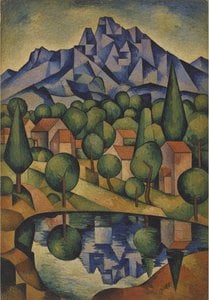
Explore the profound legacy of Paul Cézanne. Discover how his mastery of geometric forms and vibrant color bridged Impressionism and Cubism, offering timeless inspiration for fine art collectors and enthusiasts seeking to understand the foundations of modern art.

Master the nuances of Impressionism vs. Post-Impressionism with our expert guide. Explore the revolutionary shift from Monet’s fleeting light to Van Gogh’s emotional depth. Discover how these iconic movements continue to inspire fine art collectors and modern interiors today.

Unveil the profound revolution of Post-Impressionism. Explore how masters like Van Gogh and Cézanne utilized bold colors and emotional depth to transcend mere representation, laying the foundation for modern art. A sophisticated journey through history's most emotive brushstrokes.

Explore the structural genius of Paul Cézanne. Discover how his mastery of geometric form and color bridged Impressionism and Cubism in this definitive guide for art enthusiasts and collectors.


 미리보기
미리보기
 공유하기
공유하기 공유하기
공유하기
 상세 정보
상세 정보 가이드 보기

 다운로드
다운로드
 유사 작품
유사 작품 X-레이
X-레이 슬라이드 쇼
 통계 정보
통계 정보 더 보기
더 보기









 유리 옵션은 110cm 미만 크기에서만 선택 가능합니다.


