
빠른 제작과 다양한 마감 옵션을 제공하는 박물관 품질의 지클레이 또는 캔버스 프린트. ( 손으로 그린 그림 구매 디지털 이미지로 전환)





























작품의 원본 비율을 유지하는 미리 설정된 크기 중에서 선택하세요.

특정 프레임이나 공간에 맞춰 직접 치수를 입력하실 수 있습니다. 선택하신 사이즈가 원본 이미지의 비율과 일치하지 않을 경우, 작품을 크롭(자르기)하거나 이미지를 대칭 또는 단색 채우기로 확장하여 제작합니다. 제작 시작 전, 최종 확인을 위해 디지털 목업이 전송됩니다.
화면상의 미리보기는 실제 크롭이나 확장 상태를 반영하지 않으므로, 최종 구도는 오직 목업을 통해서만 정확하게 확인하실 수 있습니다.
맞춤 사이즈 제작도 가능하지만, 원본 비율을 유지하기 위해서는 사전 정의된 목록에서 치수를 선택하시는 것을 권장합니다.

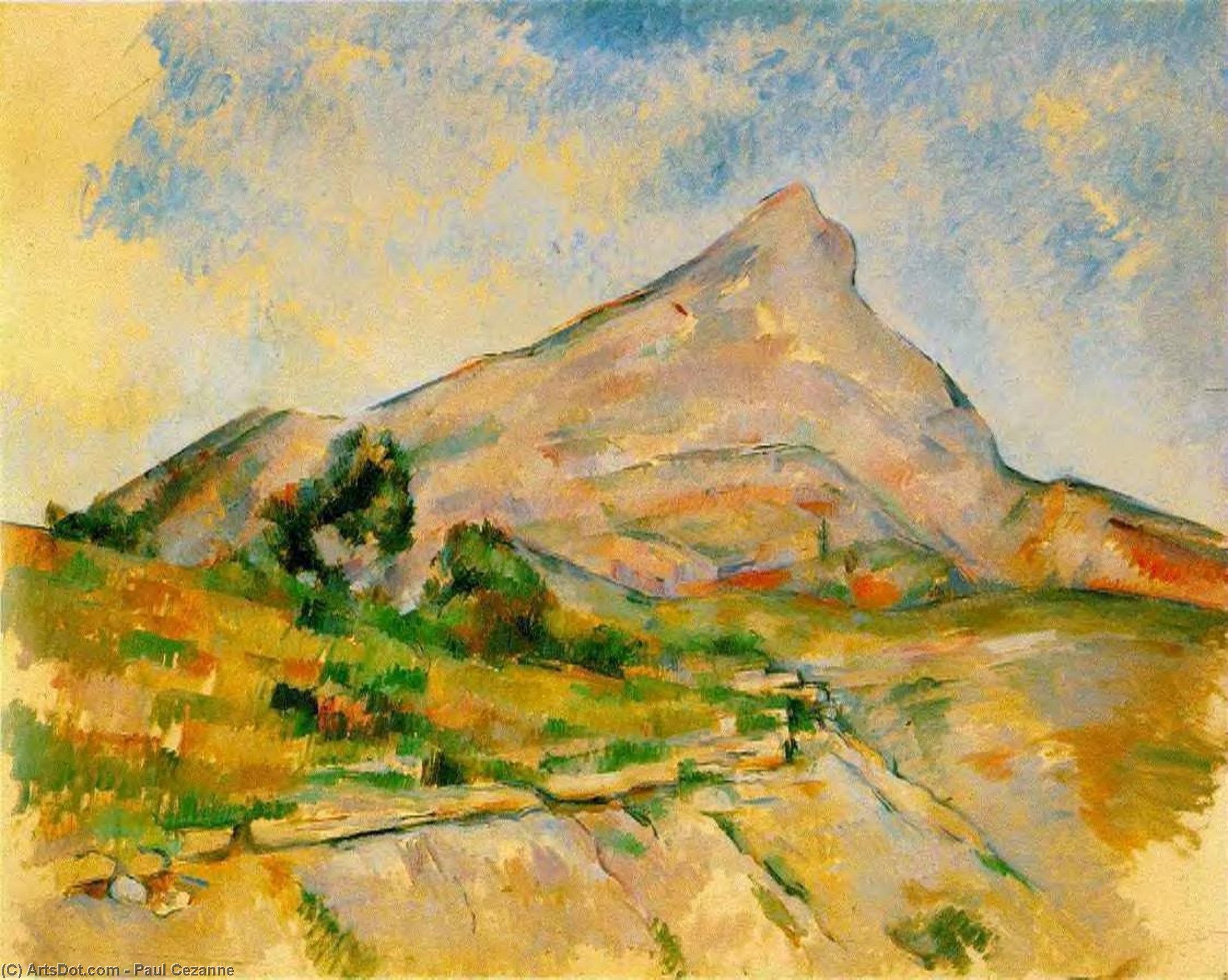
Mont Sainte-Victoire (Hermitage)
복제본 크기
Paul Cézanne’s monumental depiction of Mont Sainte-Victoire stands as a cornerstone of Post-Impressionism and profoundly influenced the trajectory of modern art. Painted between 1897 and 1898 during his residency in Aix-en-Provence, this oil on canvas masterpiece transcends mere landscape representation; it embodies Cézanne’s relentless pursuit of capturing the essence of form and color—a quest that would ultimately propel him toward the revolutionary innovations of Cubism.
The painting resides within the esteemed collection of the Hermitage Museum in St. Petersburg, Russia, where it continues to captivate viewers with its austere beauty and masterful execution. Cézanne’s fascination with the geological grandeur of Provence—specifically Mont Sainte-Victoire—fueled a prolific series of canvases exploring variations on this iconic subject.
Formally, Cézanne employs a distinctive approach characterized by geometric simplification and flattened perspective. The mountain is rendered as a complex interplay of interlocking planes—a deliberate departure from Impressionistic optical realism—creating an illusion of depth achieved not through traditional shading but rather through the strategic placement of color blocks. This technique anticipates Cubist fragmentation, where objects are dissected into constituent parts and reconstructed on canvas in multiple viewpoints simultaneously.
The palette is restrained yet luminous, dominated by hues of blue, green, ochre, and terracotta—colors Cézanne meticulously observed during his excursions to Mont Sainte-Victoire. Brushstrokes are loose and expressive, conveying a palpable sense of movement and texture. The artist’s unwavering commitment to capturing the tactile qualities of the mountain surface is evident in every mark on the canvas.
Beyond its aesthetic merits, Mont Sainte-Victoire embodies Cézanne's philosophical engagement with art history. He deliberately rejected academic conventions—particularly the idealized depictions favored by Romantic painters—embracing instead a more visceral and subjective vision of nature. This decision signaled a decisive break from Impressionism’s focus on fleeting impressions and ushered in an era of artistic experimentation that would reshape Western painting.
The painting's enduring legacy extends far beyond its artistic innovations, serving as inspiration for subsequent generations of artists who sought to redefine the boundaries of representation. Cézanne’s unwavering belief in the transformative power of art—a conviction reflected in his tireless dedication to capturing the sublime beauty of Mont Sainte-Victoire—continues to resonate with audiences today.
Additional Research:


1839 - 1906 , 프랑스
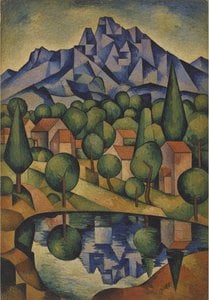
Explore the profound legacy of Paul Cézanne. Discover how his mastery of geometric forms and vibrant color bridged Impressionism and Cubism, offering timeless inspiration for fine art collectors and enthusiasts seeking to understand the foundations of modern art.

Master the nuances of Impressionism vs. Post-Impressionism with our expert guide. Explore the revolutionary shift from Monet’s fleeting light to Van Gogh’s emotional depth. Discover how these iconic movements continue to inspire fine art collectors and modern interiors today.

Explore the structural genius of Paul Cézanne. Discover how his mastery of geometric form and color bridged Impressionism and Cubism in this definitive guide for art enthusiasts and collectors.

Explore the transformative era of Post-Impressionism. Discover how masters like Cézanne and Matisse revolutionized color and form, moving beyond Impressionism to shape modern art history through structural innovation and expressive emotion.

Unveil the profound revolution of Post-Impressionism. Explore how masters like Van Gogh and Cézanne utilized bold colors and emotional depth to transcend mere representation, laying the foundation for modern art. A sophisticated journey through history's most emotive brushstrokes.

 미리보기
미리보기
 공유하기
공유하기 공유하기
공유하기
 상세 정보
상세 정보 가이드 보기

 다운로드
다운로드
 유사 작품
유사 작품 X-레이
X-레이 슬라이드 쇼
 통계 정보
통계 정보

 더 보기
더 보기









 유리 옵션은 110cm 미만 크기에서만 선택 가능합니다.


