

작가가 직접 캔버스에 손으로 그린 유화 작품으로, 원하는 크기와 액자로 맞춤 제작해 드립니다. ( 프린트 판매로 전환 디지털 이미지 판매 채널로 전환)





























작품의 원본 비율을 그대로 유지하는 프리셋 사이즈 중에서 선택해 보세요.

특정 프레임이나 공간에 맞춰 원하는 크기를 직접 입력하실 수 있습니다. 선택하신 크기가 원본 이미지의 비율과 일치하지 않을 경우, 작품을 자르거나 추가적인 수작업 요소를 더해 그림을 확장하여 제작합니다. 제작 시작 전, 최종 확인을 위해 디지털 목업을 보내드립니다.
화면상의 미리 보기는 실제 크롭(자르기)이나 확장된 상태를 완벽히 반영하지 않을 수 있습니다. 최종 구도는 오직 목업을 통해서만 정확하게 확인하실 수 있습니다.
맞춤 크기 제작도 가능하지만, 원본의 비율을 그대로 유지하기 위해서는 미리 정의된 목록에서 크기를 선택하시는 것을 권장합니다.

Mont Sainte-Victoire
복제본 규격
Paul Cézanne's "Mont Sainte-Victoire" is more than just a landscape painting; it’s a pivotal work in the transition from Impressionism to Cubism, showcasing Cézanne's revolutionary approach to form and perspective. Created in 1906, this piece exemplifies his lifelong fascination with the mountain near Aix-en-Provence, France, which served as a constant subject throughout his career, particularly from the 1880s until his death.
The artwork depicts Mont Sainte-Victoire under a cloudy sky. Cézanne abandons traditional perspective techniques—like linear perspective to create depth—instead emphasizing the painted surface by bringing foreground, middle ground, and background onto a single plane. This creates a unique sense of spatial ambiguity that challenges conventional representation. The style leans towards Post-Impressionism, characterized by visible brushstrokes and an expressive use of color aimed at capturing atmosphere and light rather than precise detail. It’s not about photographic accuracy but conveying the emotional impact of the scene.
Cézanne's technique is as significant as his subject matter. He utilizes a quasi-abstract style, indicating form and space through the juxtaposition of small, colored patches of paint laid side by side. This impasto technique—where paint is applied thickly—creates a textured surface that adds depth and visual interest. Lines are used expressively to define shapes and contours, particularly in the mountain peaks and tree branches. The cool color palette – predominantly blues, greens, and browns – contributes to a serene yet slightly melancholic mood. Cézanne’s layering of oil paints builds up texture and color, creating a dynamic surface that invites close inspection.
“Mont Sainte-Victoire” was painted in the final year of Cézanne's life, a period when he was refining his distinctive style. His rejection of traditional perspective and emphasis on geometric forms profoundly influenced subsequent artistic movements, most notably Cubism. Artists like Pablo Picasso and Henri Matisse acknowledged Cézanne as a foundational figure, recognizing him as "the father of us all." This painting exemplifies Cézanne’s exploration of how to represent three-dimensional objects on a two-dimensional surface, paving the way for new approaches to pictorial representation.
Beyond its artistic significance, "Mont Sainte-Victoire" evokes powerful emotions. The vastness of the landscape inspires feelings of awe and tranquility. The diffused lighting and lack of sharp definition create a sense of solitude or contemplation, inviting viewers to reflect on their place within the natural world. Symbolically, the mountain represents permanence and stability amidst the ever-changing atmosphere, offering a timeless image of nature's enduring power.


1839 - 1906 , 프랑스

Explore the transformative era of Post-Impressionism. Discover how masters like Cézanne and Matisse revolutionized color and form, moving beyond Impressionism to shape modern art history through structural innovation and expressive emotion.

Master the nuances of Impressionism vs. Post-Impressionism with our expert guide. Explore the revolutionary shift from Monet’s fleeting light to Van Gogh’s emotional depth. Discover how these iconic movements continue to inspire fine art collectors and modern interiors today.
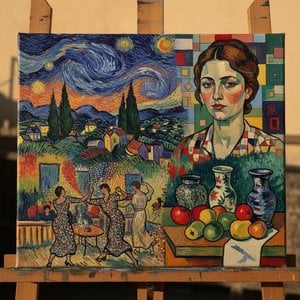
Unveil the profound revolution of Post-Impressionism. Explore how masters like Van Gogh and Cézanne utilized bold colors and emotional depth to transcend mere representation, laying the foundation for modern art. A sophisticated journey through history's most emotive brushstrokes.

Explore the vibrant evolution of Post-Impressionism. From Seurat's revolutionary Pointillism to the emotional depth of masters, discover how this movement redefined modern art history through color, structure, and unparalleled creative expression.
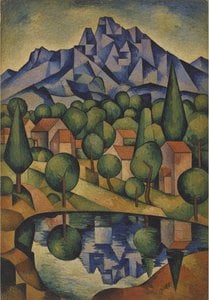
Explore the profound legacy of Paul Cézanne. Discover how his mastery of geometric forms and vibrant color bridged Impressionism and Cubism, offering timeless inspiration for fine art collectors and enthusiasts seeking to understand the foundations of modern art.

 실제 크기로 보기
 보내기
보내기 공유하기
공유하기
 상세 보기
상세 보기 가이드 보기

 이미지 다운로드
 유사 작품 더 보기
 X-레이
X-레이 슬라이드 쇼 보기
 통계 정보
통계 정보


 상세 보기
상세 보기









 유리 옵션은 110cm 미만 크기에서만 선택 가능합니다.


