
원하는 크기와 액자로 주문 제작되는, 작가들이 직접 캔버스에 손으로 그린 유화 작품입니다. ( 프린트 판매로 전환 디지털 이미지로 전환)





























작품의 원본 비율을 유지하는 미리 설정된 크기 중에서 선택하세요.

특정 프레임이나 공간에 맞도록 직접 크기를 입력할 수 있습니다. 선택하신 크기가 원본 이미지의 비율과 일치하지 않는 경우, 작품을 자르거나 추가적인 손으로 그린 요소를 사용하여 그림을 확장합니다. 제작 시작 전 승인을 위해 디지털 목업을 보내드립니다.
화면 미리 보기는 실제 자르기 또는 확장을 반영하지 않습니다. 최종 구성은 목업을 통해서만 정확하게 확인하실 수 있습니다.
맞춤 크기 제작도 가능하지만, 원본 비율을 유지하기 위해 사전 정의된 목록에서 크기를 선택하시는 것을 권장합니다.

Medea (after Delacroix)
복제본 크기
Paul Cézanne’s “Medea,” a poignant study after Eugène Delacroix’s iconic 1839 painting, isn’t merely a reproduction; it’s an invitation to inhabit the heart of a turbulent drama. Cézanne, born in 1839 and tragically cut short at the age of sixty-seven, possessed a singular ability to distill emotion into form – a skill profoundly evident in this work. Unlike a straightforward copy, Cézanne subtly transforms Delacroix’s fiery intensity with his own distinctive approach, layering observation with memory and imbuing the scene with an almost melancholic stillness. The painting captures not just the narrative of Medea's vengeful act, but also the profound psychological weight carried by her – a woman consumed by grief, betrayal, and the agonizing consequences of her choices.
The composition, mirroring Delacroix’s original, centers on a woman holding two infants – her children. Her face, bathed in soft light, reveals a complex tapestry of emotions: sorrow, determination, and perhaps even a flicker of defiance. Cézanne's brushwork is deliberately fragmented, eschewing the smooth surfaces favored by earlier Impressionists. Instead, he employs short, broken strokes that build up to suggest form and texture, creating an almost sculptural quality to the figures. The horse, positioned on the right side of the canvas, isn’t simply a decorative element; it acts as a visual anchor, grounding the scene in a world of primal instinct and untamed power – a counterpoint to the woman's quiet suffering.
Cézanne’s work stands as a crucial bridge between the turbulent passions of Romanticism and the nascent forms of modern art. Delacroix, a leading figure in the Romantic movement, sought to capture intense emotional experiences through dramatic color and dynamic composition. Cézanne, however, moved beyond mere representation, exploring the underlying structure of objects and employing geometric simplification – techniques that would later profoundly influence Cubism. He was deeply influenced by the classical world, particularly the work of Michelangelo, which he studied obsessively during his time in Italy. This interest in form and structure is evident in the careful arrangement of the figures and the deliberate use of perspective, creating a sense of depth and solidity within the painting.
The choice to depict Medea after Delacroix reveals Cézanne’s own artistic lineage. He admired Delacroix's ability to convey intense emotion through color and movement, but he sought to refine and deepen that emotional impact through a more rigorous approach to form and structure. Cézanne wasn’t simply copying Delacroix; he was engaging in a dialogue with his predecessor, building upon his foundation while forging his own unique artistic vision.
Beyond the narrative of Medea's revenge, the painting is rich in symbolic meaning. The infants represent not only her children but also the potential for future generations – a legacy tainted by violence and loss. The scarf around the woman’s neck could be interpreted as a symbol of mourning or perhaps even a reminder of her past life before tragedy struck. Her serene expression, despite the evident sorrow in her eyes, speaks to an inner strength—a resilience born from profound suffering. It's a testament to the enduring power of motherhood, even in the face of unimaginable pain.
Cézanne’s masterful use of light and shadow further enhances the painting’s emotional impact. The soft, diffused light creates a sense of intimacy and vulnerability, drawing the viewer into the woman's world. The subtle gradations of color suggest a complex range of emotions—hope mingled with despair, love intertwined with regret.
WahooArt offers meticulously hand-painted reproductions of Cézanne’s “Medea,” capturing the essence of this iconic work in stunning detail. Each reproduction is created by skilled artists using archival-quality materials, ensuring that it will retain its beauty and vibrancy for generations to come. Choose from a range of framing options to perfectly complement your décor – from classic antique gold frames to contemporary minimalist designs. Whether you’re an art collector, interior designer, or simply someone seeking a piece of timeless beauty, our “Medea” reproduction is a captivating addition to any space. Explore the options and order yours today!

1839 - 1906 , 프랑스

폴 세잔의 시대를 초월하는 명작 25점을 만나보세요. 인상주의를 넘어 후기 인상주의를 개척한 화가의 예술 세계와 정물화, 풍경화 속 숨겨진 이야기를 WahooArt에서 감상하세요. 고품질 아트 프린트와 캔버스 액자로 공간에 예술을 더해보세요! 지금 바로 컬렉션을 탐험하세요.
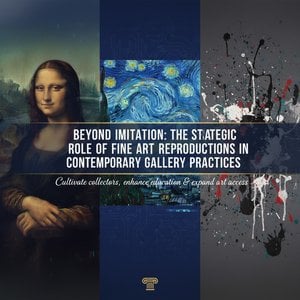
Explore the strategic role of fine art reproductions in today's galleries. Discover how they cultivate collectors, enhance education & expand access to art. Expert insights for discerning buyers and professionals.

루브르 박물관 최고 걸작 25선을 만나보세요. 모나리자, 빈센트 반 고흐 등 유명 화가들의 숨겨진 이야기와 예술 기법을 탐험하고, 프랑스 미술의 정수를 느껴보세요. WahooArt.com에서 고품질 미술 복제품과 인테리어 아이디어를 찾아보세요.

Explore the cultural significance of fine art reproduction & its appeal to discerning collectors. Discover how reproductions enhance aesthetics, build collections, and signal status. Expert insights & museum-quality artistry.

WahooArt에서 유화의 세계를 탐험하세요! 역사와 기법부터 핸드메이드 제작 과정, 커스터마이징 옵션까지 심층적으로 다룹니다. 고품질 유화 재현과 수집 가이드로 예술 작품을 완벽하게 경험하세요.


 미리보기
미리보기
 공유하기
공유하기 공유하기
공유하기
 상세 정보
상세 정보

 다운로드
다운로드
 유사 작품
유사 작품 X-레이
X-레이 슬라이드 쇼
 통계 정보
통계 정보

 더 보기
더 보기









 유리 옵션은 110cm 미만 크기에서만 선택 가능합니다.


