
빠른 제작과 다양한 마감 옵션을 제공하는 박물관 품질의 지클레이 또는 캔버스 프린트. ( 손으로 그린 그림 구매 디지털 이미지로 전환)





























작품의 원본 비율을 유지하는 미리 설정된 크기 중에서 선택하세요.

특정 프레임이나 공간에 맞춰 직접 치수를 입력하실 수 있습니다. 선택하신 사이즈가 원본 이미지의 비율과 일치하지 않을 경우, 작품을 크롭(자르기)하거나 이미지를 대칭 또는 단색 채우기로 확장하여 제작합니다. 제작 시작 전, 최종 확인을 위해 디지털 목업이 전송됩니다.
화면상의 미리보기는 실제 크롭이나 확장 상태를 반영하지 않으므로, 최종 구도는 오직 목업을 통해서만 정확하게 확인하실 수 있습니다.
맞춤 사이즈 제작도 가능하지만, 원본 비율을 유지하기 위해서는 사전 정의된 목록에서 치수를 선택하시는 것을 권장합니다.

Man with Crossed Arms
복제본 크기
Paul Cézanne's "Man with Crossed Arms," painted circa 1899, isn’t merely a portrait; it’s a carefully constructed meditation on introspection and the complexities of human emotion. This remarkable work, currently housed within the Solomon R. Guggenheim Museum in New York City, stands as a pivotal bridge between the fleeting impressions of Impressionism and the nascent explorations of Cubism that would soon reshape modern art. Cézanne, already a figure grappling with established artistic conventions, sought to move beyond simply *seeing* the world; he aimed to capture its underlying structure, its essence—a pursuit evident in every deliberate brushstroke and considered color choice.
The subject himself remains deliberately ambiguous, shrouded in a muted palette of browns, grays, and blues that evoke a sense of timelessness. The man’s face, rendered with sharp, geometric lines – a hallmark of Cézanne's evolving style – is framed by a dark coat and a simple chair, both defined with equally precise forms. These shapes aren’t merely decorative; they represent the fundamental building blocks of his composition, echoing the principles he was developing to dismantle traditional perspective. The background, deliberately indistinct and receding into darkness, serves not as a distraction but as an amplifier for the figure's presence, drawing our attention entirely to this solitary individual.
Cézanne’s technique is immediately striking. He employs a visible impasto – thick layers of oil paint applied directly to the canvas – creating a tactile surface that invites close examination. The brushstrokes are not blended smoothly, as in many Impressionist works; instead, they retain their individual character, contributing to a sense of ruggedness and solidity. This deliberate roughness contrasts with the refined geometry of the figure’s features, suggesting an internal tension between outward appearance and hidden depths. The color choices are equally expressive, moving away from photographic realism towards a more symbolic use of hue. The muted tones contribute to the overall mood of melancholy and contemplation, while subtle shifts in value create a dynamic interplay of light and shadow that defines the man’s face and form.
The most arresting element of the portrait is undoubtedly the man's crossed arms. While often interpreted as a sign of defensiveness or resistance, Cézanne himself resisted definitive explanations for his work. However, considering the context of the late 19th century – a period marked by social unrest and shifting societal norms – it’s plausible that these crossed arms represent a guarded posture, a retreat from external pressures. More profoundly, they can be seen as a gesture of inward reflection—a deliberate turning away from the world to confront one's own thoughts and feelings. The man’s gaze is direct and unwavering, suggesting an intensity of emotion beneath his reserved exterior. This combination of restraint and vulnerability creates a powerful emotional resonance that continues to captivate viewers today.
“Man with Crossed Arms” isn't simply a portrait; it’s a foundational work in Cézanne’s evolution towards Cubism. His exploration of multiple viewpoints, his fragmentation of form, and his emphasis on the underlying structure of objects paved the way for artists like Picasso and Braque. Cézanne’s influence extends far beyond the confines of this single painting, demonstrating his profound impact on the trajectory of modern art. Reproductions of this work offer a unique opportunity to appreciate the artist's revolutionary vision and its enduring relevance in our understanding of human emotion and artistic expression.

1839 - 1906 , 프랑스

Explore the transformative era of Post-Impressionism. Discover how masters like Cézanne and Matisse revolutionized color and form, moving beyond Impressionism to shape modern art history through structural innovation and expressive emotion.

Master the nuances of Impressionism vs. Post-Impressionism with our expert guide. Explore the revolutionary shift from Monet’s fleeting light to Van Gogh’s emotional depth. Discover how these iconic movements continue to inspire fine art collectors and modern interiors today.
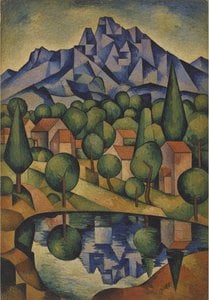
Explore the profound legacy of Paul Cézanne. Discover how his mastery of geometric forms and vibrant color bridged Impressionism and Cubism, offering timeless inspiration for fine art collectors and enthusiasts seeking to understand the foundations of modern art.

Explore the vibrant evolution of Post-Impressionism. From Seurat's revolutionary Pointillism to the emotional depth of masters, discover how this movement redefined modern art history through color, structure, and unparalleled creative expression.


 미리보기
미리보기
 공유하기
공유하기 공유하기
공유하기
 상세 정보
상세 정보

 다운로드
다운로드
 유사 작품
유사 작품 X-레이
X-레이 슬라이드 쇼
 통계 정보
통계 정보

 더 보기
더 보기









 유리 옵션은 110cm 미만 크기에서만 선택 가능합니다.


