빠른 제작과 다양한 마감 옵션을 제공하는 박물관 품질의 지클레이 또는 캔버스 프린트. ( 손으로 그린 그림 구매 디지털 이미지로 전환)





























작품의 원본 비율을 유지하는 미리 설정된 크기 중에서 선택하세요.

특정 프레임이나 공간에 맞춰 직접 치수를 입력하실 수 있습니다. 선택하신 사이즈가 원본 이미지의 비율과 일치하지 않을 경우, 작품을 크롭(자르기)하거나 이미지를 대칭 또는 단색 채우기로 확장하여 제작합니다. 제작 시작 전, 최종 확인을 위해 디지털 목업이 전송됩니다.
화면상의 미리보기는 실제 크롭이나 확장 상태를 반영하지 않으므로, 최종 구도는 오직 목업을 통해서만 정확하게 확인하실 수 있습니다.
맞춤 사이즈 제작도 가능하지만, 원본 비율을 유지하기 위해서는 사전 정의된 목록에서 치수를 선택하시는 것을 권장합니다.

Landscape 1
복제본 크기
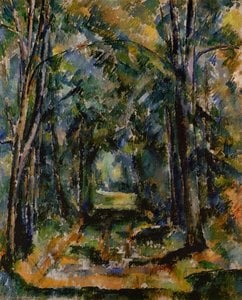
Paul Cézanne’s “Landscape 1,” though its precise dimensions remain elusive, offers a profound glimpse into the artist’s revolutionary approach to painting. More than simply a depiction of a field and trees, it’s an exploration of form, light, and the very nature of perception – a pivotal work that laid the groundwork for much of 20th-century art. The scene unfolds with a quiet intensity; a gentle slope leads the eye towards a cluster of mature trees, their branches reaching skyward like grasping fingers. A weathered wooden bench sits nestled amongst the grass, inviting contemplation and suggesting a human presence within this vast, natural space. The inclusion of two figures – one on the left, another to the right – subtly anchors the scene, imbuing it with a sense of scale and inviting us to consider our own place within the landscape.
Cézanne’s genius lay not in replicating reality but in distilling its essence. He abandoned the traditional techniques of linear perspective and atmospheric modeling, favoring instead a fragmented approach that emphasized geometric forms and the underlying structure of objects. Notice how he breaks down the trees into interlocking planes of color and shape – rectangular blocks of green and brown intermingled with patches of blue sky. This deliberate simplification wasn’t an act of carelessness; it was a conscious effort to reveal the essential building blocks of nature, as if he were constructing a visual puzzle from its constituent parts. The brushstrokes themselves are visible, not blended or smoothed out, but rather applied in short, broken strokes that create a sense of movement and vibration.
Born in Aix-en-Provence in 1839, Paul Cézanne was a key figure bridging the gap between Impressionism and Cubism. Initially influenced by the academic traditions of his upbringing – his father was a banker – he ultimately rejected these constraints to pursue his own artistic vision. He spent much of his life studying Mount Saint-Victoire, a towering peak near Aix, transforming it into a recurring motif in his work. This obsessive study wasn’t merely about capturing its appearance; it was an attempt to understand its fundamental geometry and the way light interacted with its surfaces. Cézanne's exploration of this mountain became a metaphor for his broader artistic quest – to find new ways of representing three-dimensional space on a two-dimensional surface.
Cézanne’s work was initially met with skepticism and even ridicule by the Parisian art establishment, who found his fragmented forms and unconventional techniques jarring. However, his influence gradually grew as artists like Matisse and Picasso recognized the radical nature of his ideas. Picasso famously declared that Cézanne “destroyed perspective,” acknowledging the profound impact of Cézanne’s work on the development of Cubism. Cézanne's insistence on seeing objects in their essential forms – divorced from superficial details – paved the way for a new era of artistic abstraction.
Beyond its formal innovations, “Landscape 1” resonates with deeper symbolic meanings. The bench itself represents a moment of pause, an invitation to reflect on our relationship with nature. The two figures in the painting suggest a connection between humanity and the natural world – a recognition that we are both part of and separate from this landscape. Cézanne’s use of color is equally significant; the warm greens and browns evoke feelings of tranquility and stability, while the touches of blue sky hint at an infinite expanse beyond our immediate perception. The painting isn't simply about depicting a scene; it’s about conveying a sense of profound contemplation and spiritual awareness.
WahooArt offers meticulously crafted, hand-painted reproductions of Paul Cézanne’s “Landscape 1,” capturing the artist's unique style and emotional depth. Each reproduction is created by skilled artisans who painstakingly recreate Cézanne’s broken brushstrokes and vibrant color palette using traditional oil painting techniques. Whether you are an art enthusiast, a collector seeking to expand your collection, or simply someone looking for a stunning piece of artwork to enhance your interior space, a WahooArt reproduction of “Landscape 1” is a timeless investment that will bring beauty and inspiration into your home for years to come. Explore the full range of available sizes and finishes on our website today – https://www.WahooArt.com/en/art/paul-cezanne-landscape-1-8EWNXK-en/

1839 - 1906 , 프랑스

Explore the transformative era of Post-Impressionism. Discover how masters like Cézanne and Matisse revolutionized color and form, moving beyond Impressionism to shape modern art history through structural innovation and expressive emotion.

Discover the profound emotional depth of Post-Impressionist landscapes. Explore how masters like Van Gogh revolutionized art through vibrant color, textured impasto, and symbolic expression in this expert guide to the movement that redefined modern art history.

Master the nuances of Impressionism vs. Post-Impressionism with our expert guide. Explore the revolutionary shift from Monet’s fleeting light to Van Gogh’s emotional depth. Discover how these iconic movements continue to inspire fine art collectors and modern interiors today.


 미리보기
미리보기
 공유하기
공유하기 공유하기
공유하기
 상세 정보
상세 정보

 다운로드
다운로드
 유사 작품
유사 작품 X-레이
X-레이 슬라이드 쇼
 통계 정보
통계 정보
 더 보기
더 보기









 유리 옵션은 110cm 미만 크기에서만 선택 가능합니다.