
원하는 크기와 액자로 주문 제작되는, 작가들이 직접 캔버스에 손으로 그린 유화 작품입니다. ( 프린트 판매로 전환 디지털 이미지로 전환)





























작품의 원본 비율을 유지하는 미리 설정된 크기 중에서 선택하세요.

특정 프레임이나 공간에 맞도록 직접 크기를 입력할 수 있습니다. 선택하신 크기가 원본 이미지의 비율과 일치하지 않는 경우, 작품을 자르거나 추가적인 손으로 그린 요소를 사용하여 그림을 확장합니다. 제작 시작 전 승인을 위해 디지털 목업을 보내드립니다.
화면 미리 보기는 실제 자르기 또는 확장을 반영하지 않습니다. 최종 구성은 목업을 통해서만 정확하게 확인하실 수 있습니다.
맞춤 크기 제작도 가능하지만, 원본 비율을 유지하기 위해 사전 정의된 목록에서 크기를 선택하시는 것을 권장합니다.

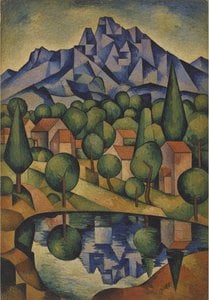
Jourdan's Cottage
복제본 크기
Cézanne's approach to painting was revolutionary. Rejecting the fleeting effects of light and atmosphere championed by Impressionists like Monet, he sought instead to represent objects as they *appear* to the eye—a process that involved fracturing them into geometric planes and layering these planes upon one another. This technique isn’t merely about accuracy; it's an attempt to capture the underlying structure of reality itself, a concept Cézanne termed “forme intérieure” – inner form.
The composition is deceptively simple: a modest cottage dominates the canvas, its yellow exterior radiating warmth against the cool tones of the surrounding landscape. Two windows punctuate the side wall, offering glimpses into interior space and inviting contemplation. A smaller building sits in the background, adding depth to the scene and anchoring it within the broader panorama. Cézanne meticulously rendered the tree branches reaching upwards from the foreground, their contours subtly distorted—a hallmark of his Cubist style.
The watercolor medium perfectly suited Cézanne’s vision. Its ability to blend colors seamlessly allowed him to achieve remarkable luminosity and tonal gradation, capturing the nuances of light and shadow with unparalleled delicacy. Yet, beneath this apparent softness lies a carefully constructed geometric framework—a deliberate rejection of Impressionistic illusionism. Each brushstroke contributes to the overall impression of solidity and permanence, reflecting Cézanne’s belief that art should strive for timeless beauty.
“Jourdan’s Cottage” resonates deeply with viewers because it speaks to a fundamental human desire: to find solace and inspiration in the natural world. Cézanne's unwavering focus on form—the way objects exist independently of our perception—challenges us to reconsider how we see and understand the visual environment. It is a painting that invites repeated viewing, revealing new layers of complexity with each encounter.
For those seeking to delve deeper into Cézanne’s artistic legacy, exploring “Mont Sainte-Victoire” (MOMA) and “River at the bridge of the three sources” offers invaluable insight into his masterful manipulation of color and form—works that cemented his place as a progenitor of modern art.
To discover more about Cézanne’s life and work, visit WahooArt.com.

1839 - 1906 , 프랑스

Master the nuances of Impressionism vs. Post-Impressionism with our expert guide. Explore the revolutionary shift from Monet’s fleeting light to Van Gogh’s emotional depth. Discover how these iconic movements continue to inspire fine art collectors and modern interiors today.
Explore the profound legacy of Paul Cézanne. Discover how his mastery of geometric forms and vibrant color bridged Impressionism and Cubism, offering timeless inspiration for fine art collectors and enthusiasts seeking to understand the foundations of modern art.

Explore the transformative era of Post-Impressionism. Discover how masters like Cézanne and Matisse revolutionized color and form, moving beyond Impressionism to shape modern art history through structural innovation and expressive emotion.


 미리보기
미리보기
 공유하기
공유하기 공유하기
공유하기
 상세 정보
상세 정보

 다운로드
다운로드
 유사 작품
유사 작품 X-레이
X-레이 슬라이드 쇼
 통계 정보
통계 정보

 더 보기
더 보기









 유리 옵션은 110cm 미만 크기에서만 선택 가능합니다.


