
빠른 제작과 다양한 마감 옵션을 제공하는 박물관 품질의 지클레이 또는 캔버스 프린트. ( 손으로 그린 그림 구매 디지털 이미지로 전환)





























작품의 원본 비율을 유지하는 미리 설정된 크기 중에서 선택하세요.

특정 프레임이나 공간에 맞춰 직접 치수를 입력하실 수 있습니다. 선택하신 사이즈가 원본 이미지의 비율과 일치하지 않을 경우, 작품을 크롭(자르기)하거나 이미지를 대칭 또는 단색 채우기로 확장하여 제작합니다. 제작 시작 전, 최종 확인을 위해 디지털 목업이 전송됩니다.
화면상의 미리보기는 실제 크롭이나 확장 상태를 반영하지 않으므로, 최종 구도는 오직 목업을 통해서만 정확하게 확인하실 수 있습니다.
맞춤 사이즈 제작도 가능하지만, 원본 비율을 유지하기 위해서는 사전 정의된 목록에서 치수를 선택하시는 것을 권장합니다.

Flowers in a Vase
복제본 크기
Paul Cézanne's Flowers in a Vase, created in 1872, is a captivating oil on canvas painting that exemplifies the essence of Post-Impressionism. This artwork transcends a simple depiction of flowers; it represents Cézanne’s groundbreaking exploration of form, color, and perspective, laying the groundwork for future artistic movements like Cubism.
This particular rendition showcases a vibrant arrangement of flowers nestled within a glass jar. The composition is rich with detail, featuring at least twelve distinct flower types rendered in hues of red, purple, pink, white, and blue. Cézanne’s meticulous attention to the interplay of light and shadow creates depth and dimension, while the visible brushstrokes add texture and dynamism to the scene. The flowers are not merely represented; they seem to pulsate with life, capturing a fleeting moment of natural beauty.
Cézanne’s Post-Impressionist style is immediately recognizable in Flowers in a Vase. Departing from the Impressionists' focus on capturing momentary impressions, Cézanne sought to analyze and reconstruct objects based on his perception of their underlying geometric forms. This approach is evident in the slightly flattened perspective and the deliberate arrangement of shapes within the composition. The use of thick, visible brushstrokes – a technique known as impasto – adds a tactile quality to the painting, further emphasizing its expressive power. Cézanne’s wet-on-wet technique allowed for soft transitions between colors, creating a harmonious blend while retaining individual brushstroke visibility.
Initially met with criticism and incomprehension by contemporary art critics, Cézanne's work gradually gained recognition thanks to the support of fellow artists like Camille Pissarro and influential art dealer Ambroise Vollard. Vollard’s 1895 solo exhibition marked a turning point in Cézanne’s career, leading to broader appreciation for his innovative style. Cézanne profoundly influenced subsequent generations of artists; Henri Matisse and Pablo Picasso famously acknowledged him as "the father of us all." His emphasis on structure and form paved the way for Cubism and other modern art movements, solidifying his place as a pivotal figure in art history.
While seemingly simple in subject matter, Flowers in a Vase carries symbolic weight. Flowers often represent beauty, fragility, and the ephemeral nature of life. Cézanne’s rendering imbues these symbols with an emotional intensity through his bold use of color and texture. The painting evokes a sense of quiet contemplation and appreciation for the simple pleasures of the natural world. It is not merely a still life; it's a testament to Cézanne’s ability to transform ordinary subjects into profound artistic statements.


1839 - 1906 , 프랑스

Explore the transformative era of Post-Impressionism. Discover how masters like Cézanne and Matisse revolutionized color and form, moving beyond Impressionism to shape modern art history through structural innovation and expressive emotion.
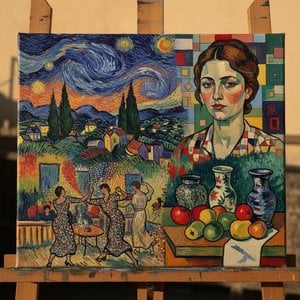
Unveil the profound revolution of Post-Impressionism. Explore how masters like Van Gogh and Cézanne utilized bold colors and emotional depth to transcend mere representation, laying the foundation for modern art. A sophisticated journey through history's most emotive brushstrokes.

Explore the vibrant evolution of Post-Impressionism. From Seurat's revolutionary Pointillism to the emotional depth of masters, discover how this movement redefined modern art history through color, structure, and unparalleled creative expression.
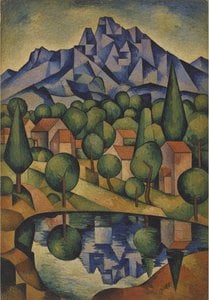
Explore the profound legacy of Paul Cézanne. Discover how his mastery of geometric forms and vibrant color bridged Impressionism and Cubism, offering timeless inspiration for fine art collectors and enthusiasts seeking to understand the foundations of modern art.

Master the nuances of Impressionism vs. Post-Impressionism with our expert guide. Explore the revolutionary shift from Monet’s fleeting light to Van Gogh’s emotional depth. Discover how these iconic movements continue to inspire fine art collectors and modern interiors today.


 미리보기
미리보기
 공유하기
공유하기 공유하기
공유하기
 상세 정보
상세 정보

 다운로드
다운로드
 유사 작품
유사 작품 X-레이
X-레이 슬라이드 쇼
 통계 정보
통계 정보

 더 보기
더 보기









 유리 옵션은 110cm 미만 크기에서만 선택 가능합니다.


