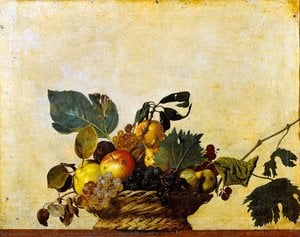
Acrylic On CanvasWallArtCubist Still Life
 1890
1890 30.0 x 45.0 cm
 Fondazione Magnani-Rocca
온라인 미리보기보다 훨씬 뛰어난 품질의 고해상도 디지털 이미지를 구매해 보세요.
각 파일은 사내 전문가가 고급 도구와 숙련된 수동 리터칭 기술을 사용하여 세심하게 준비합니다. 우리는 모든 이미지가 탁월한 선명도, 정확한 색상 재현력, 그리고 미세한 디테일까지 완벽하게 갖추도록 보장합니다.
최종 파일은 전문적인 편집 및 인쇄 환경에서 즉시 사용할 수 있도록 최적화되어 72시간 이내에 이메일로 발송됩니다. 이는 세계적인 디자인 스튜디오, 출판사 및 갤러리가 신뢰하는 것과 동일한 품질입니다.
개인 소장 및 전시, 인쇄, 창작 프로젝트를 위한 고해상도 파일을 다운로드하세요. ( 프린트 구매 손으로 그린 그림 구매)
WahooArt.com를 선택하시면 단순히 이미지를 받는 것을 넘어, 정밀한 보정 과정을 거친 전문적인 디지털 예술 작품을 만나보실 수 있습니다. 모든 작품에는 만족 보장 서비스가 함께 제공되며, 주문 시 다음과 같은 사항들이 자동으로 포함됩니다:

주문 후 72시간 이내에 고해상도 디지털 이미지 파일이 이메일로 발송되며, 즉시 사용하실 수 있습니다.

귀하의 작품은 고급 AI 도구와 수동 편집 과정을 거쳐 전문적으로 최적화되며, 이를 통해 디테일과 선명도, 색상의 정확도를 극대화합니다.

파일을 실수로 삭제하거나 분실하셨나요? 걱정 마세요. 언제든 무료로 다시 보내드립니다.

관세나 부가세, 배송비 부담 없이 작품을 즉시 감상하세요 - 디지털 다운로드는 언제나 면세 혜택이 적용됩니다.

전문적인 도구와 색상 관리 시스템을 통해 디지털 이미지가 원본의 색상을 최대한 정확하게 구현하도록 보장합니다.

구매하신 디지털 이미지에 만족하지 못하실 경우, 100일 이내에 별도의 조건 없이 수정 또는 100% 환불을 진행해 드립니다.

만족스럽지 않으신가요? 디지털 파일을 받으신 후 100일 이내에 어떠한 조건 없이 전액 환불해 드립니다.

이미지 3매 구매 시 10% 할인 - 5매 구매 시 15% 할인 - 10매 이상 구매 시 20% 할인. 크리에이티브 프로젝트, 갤러리, 에이전시에 매우 유용합니다.
Paul Cézanne (1839–1906), arguably the most influential artist of the late nineteenth century, stands as a pivotal figure bridging the gap between Impressionism's fleeting sensations and Cubism's fractured perspectives. His artistic journey wasn’t one of immediate acclaim; instead, it was marked by periods of self-doubt and critical dismissal—a narrative that ultimately yielded a legacy reshaping modern art.
Born in Aix-en-Provence to a prosperous family – his father initially a hatmaker who later became a banker – Cézanne enjoyed an unusual level of financial security, affording him the freedom to dedicate himself wholly to his passion without the pressures of commercial success. Though initially steered toward legal studies by his father’s ambitions, Cézanne’s innate inclination towards artistic expression proved irresistible, leading him to abandon law and embrace painting.
Early influences included Émile Bernard and Camille Pissarro, who championed Impressionistic principles of capturing light and atmosphere. However, Cézanne swiftly moved beyond mere optical representation, embarking on a profound exploration of form and structure—a quest that would define his distinctive style.
Cézanne’s artistic vision rejected the Impressionists' preoccupation with capturing transient moments; instead, he sought to distill nature into its essential geometric forms. He famously declared, “I do not paint what I see but what I remember,” reflecting his commitment to reconstructing visual experience through abstracted shapes and planes.
This approach is vividly evident in *Corbeille de Fruits*, where Cézanne dismantles the illusion of three-dimensionality, presenting a flattened composition that prioritizes underlying structure. The basket itself isn’t depicted as a solid object but rather as a series of interlocking planes—a technique anticipating Cubism's radical fragmentation.
Cézanne employed a distinctive brushstroke technique characterized by thick, impasto strokes that build up texture on the canvas surface. These bold marks aren’t intended to mimic natural contours but rather to convey solidity and volume—creating an illusion of depth through color and tonal variation.
The palette is dominated by earthy hues—ochres, browns, and greens—harmoniously blended to evoke a sense of stillness and contemplation. Cézanne meticulously observed the interplay of light and shadow, capturing subtle nuances that contribute to the painting’s overall atmosphere. The luminous oranges and yellows of the fruit create striking contrasts against the darker tones of the basket and tablecloth.
*Corbeille de Fruits*, painted circa 1893, exemplifies Cézanne's engagement with Post-Impressionist ideas—particularly those championed by Georges Seurat and Paul Gauguin. It represents a decisive break from Impressionistic conventions, signaling the emergence of a new artistic language focused on formal exploration.
Beyond its stylistic innovations, the basket itself carries symbolic weight. Fruit has long been associated with abundance, fertility, and nourishment—themes that resonate throughout Cézanne’s oeuvre. The carefully arranged composition suggests an attempt to capture not just the visual appearance of the fruit but also its essence—a reflection of Cézanne's belief in art as a conduit for conveying deeper truths about the natural world.
Despite its bold technique, *Corbeille de Fruits* exudes an aura of serene contemplation. Cézanne’s masterful handling of color and form invites viewers to pause and consider the painting's underlying harmony—a testament to his unwavering dedication to capturing not merely what is seen but what is felt.
The painting’s stillness contrasts sharply with the dynamism of Impressionism, offering a profound meditation on the beauty and permanence inherent in simple forms. It remains an enduring symbol of Cézanne's artistic genius—a cornerstone of modern art history.

1839 - 1906 , 프랑스


 미리보기
미리보기
 공유하기
공유하기 공유하기
공유하기
 상세 정보
상세 정보

 다운로드
다운로드
 유사 작품
유사 작품 X-레이
X-레이 슬라이드 쇼
 더 보기
더 보기