
빠른 제작과 다양한 마감 옵션을 제공하는 박물관 품질의 지클레이 또는 캔버스 프린트. ( 손으로 그린 그림 구매 디지털 이미지로 전환)





























작품의 원본 비율을 유지하는 미리 설정된 크기 중에서 선택하세요.

특정 프레임이나 공간에 맞춰 직접 치수를 입력하실 수 있습니다. 선택하신 사이즈가 원본 이미지의 비율과 일치하지 않을 경우, 작품을 크롭(자르기)하거나 이미지를 대칭 또는 단색 채우기로 확장하여 제작합니다. 제작 시작 전, 최종 확인을 위해 디지털 목업이 전송됩니다.
화면상의 미리보기는 실제 크롭이나 확장 상태를 반영하지 않으므로, 최종 구도는 오직 목업을 통해서만 정확하게 확인하실 수 있습니다.
맞춤 사이즈 제작도 가능하지만, 원본 비율을 유지하기 위해서는 사전 정의된 목록에서 치수를 선택하시는 것을 권장합니다.

Boy in a Red Vest
복제본 크기
Paul Cézanne’s “Boy in the Red Vest,” painted between 1888 and 1890, stands as a cornerstone of Post-Impressionism—a movement that irrevocably challenged the conventions of its predecessor while simultaneously laying the groundwork for Cubism. More than just a depiction of a young boy, this artwork embodies Cézanne’s relentless pursuit of capturing not merely what is seen but how it feels to perceive the world, cementing his place as one of the most influential artists of the late 19th century.
Painted during Cézanne's formative years, “Boy in the Red Vest” aligns with his broader artistic project—a rejection of Impressionistic fleetingness and a move toward investigating underlying structures. It’s considered one of four portraits Cézanne undertook of this Italian boy, each serving as a study in posture and spatial relationships. These explorations were crucial to Cézanne's development of his revolutionary approach to painting.
The painting’s placement within the Fondation E.G. Bührle’s collection underscores its importance as an exemplar of Cézanne’s mature style—a style that profoundly impacted subsequent generations of artists. Critics initially dismissed Cézanne's work, labeling it “primitive” and “unfinished,” yet his unwavering conviction in his vision ultimately secured him a revered position within the canon of modern art.
Cézanne’s masterful use of color contributes significantly to the painting’s emotional impact. The dominant hues—deep greens and reds—create a harmonious balance between warmth and coolness, mirroring the boy's melancholic gaze and conveying a sense of quiet contemplation. Cézanne deliberately avoided blending colors seamlessly; instead, he layered them thickly onto the canvas, emphasizing their individual qualities and enhancing the painting’s textural richness.
Acquired by Ambroise Vollard in 1895, “Boy in the Red Vest” traversed several private collections before finding its home at the Fondation E.G. Bührle following a daring theft and subsequent recovery in Serbia. Its story serves as a testament to Cézanne’s enduring appeal—a painter who dared to challenge artistic conventions and paved the way for groundbreaking innovations that continue to inspire artists today.

1839 - 1906 , 프랑스

Unveil the profound revolution of Post-Impressionism. Explore how masters like Van Gogh and Cézanne utilized bold colors and emotional depth to transcend mere representation, laying the foundation for modern art. A sophisticated journey through history's most emotive brushstrokes.

Explore the transformative era of Post-Impressionism. Discover how masters like Cézanne and Matisse revolutionized color and form, moving beyond Impressionism to shape modern art history through structural innovation and expressive emotion.
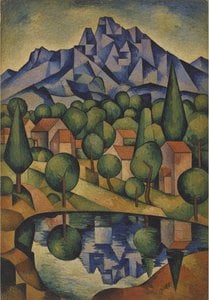
Explore the profound legacy of Paul Cézanne. Discover how his mastery of geometric forms and vibrant color bridged Impressionism and Cubism, offering timeless inspiration for fine art collectors and enthusiasts seeking to understand the foundations of modern art.

Master the nuances of Impressionism vs. Post-Impressionism with our expert guide. Explore the revolutionary shift from Monet’s fleeting light to Van Gogh’s emotional depth. Discover how these iconic movements continue to inspire fine art collectors and modern interiors today.

Explore the structural genius of Paul Cézanne. Discover how his mastery of geometric form and color bridged Impressionism and Cubism in this definitive guide for art enthusiasts and collectors.


 미리보기
미리보기
 공유하기
공유하기 공유하기
공유하기
 상세 정보
상세 정보 가이드 보기

 다운로드
다운로드
 유사 작품
유사 작품 X-레이
X-레이 슬라이드 쇼
 통계 정보
통계 정보

 더 보기
더 보기









 유리 옵션은 110cm 미만 크기에서만 선택 가능합니다.


