A Silent Symphony of Form: Exploring Cézanne’s “Arbres”
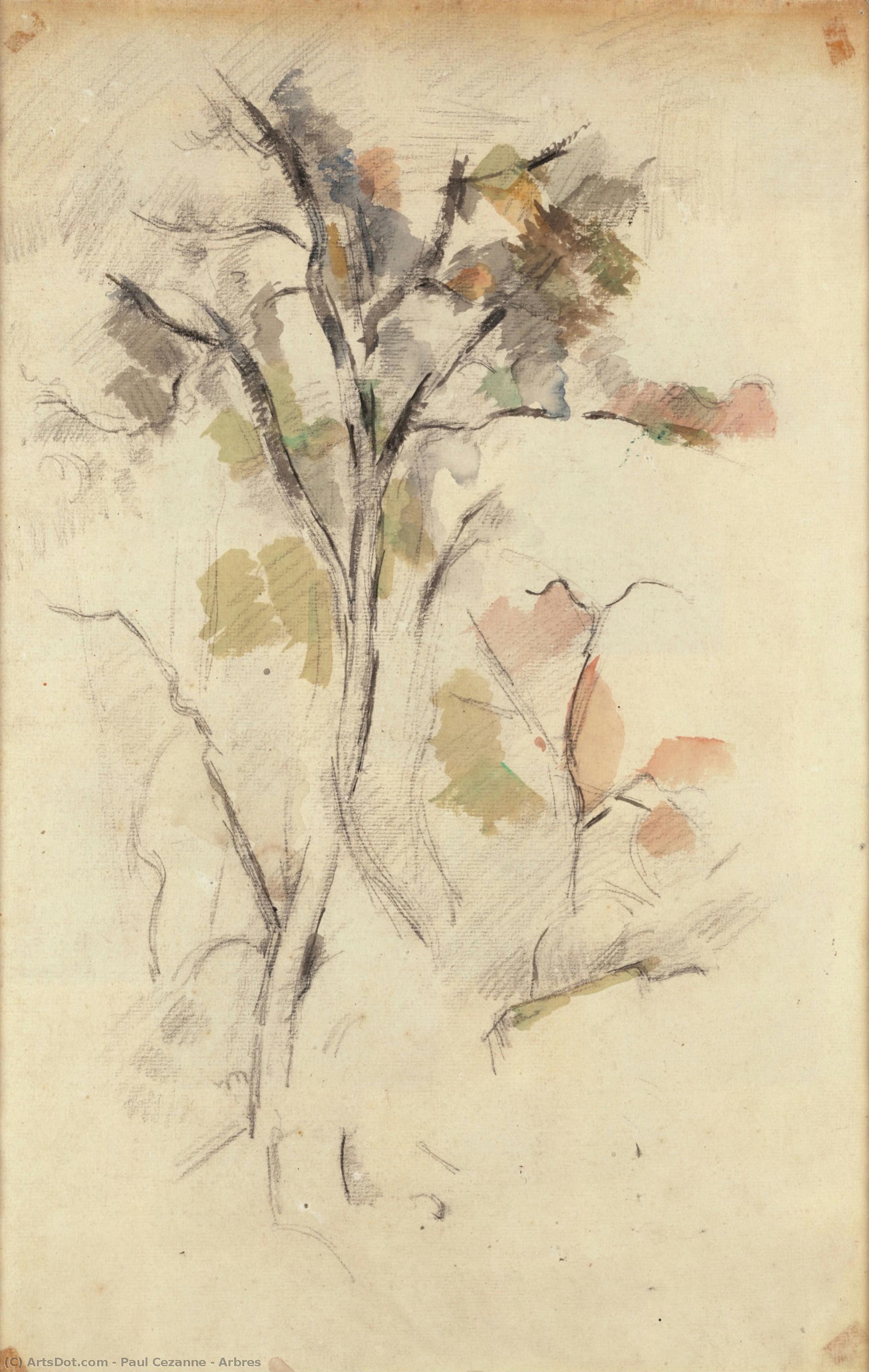
Paul Cézanne's "Arbres," painted in 1890, isn’t merely a depiction of trees; it represents a pivotal moment in artistic history—a defiant assertion that Impressionism’s fleeting sensations were insufficient to capture the essence of reality. Initially met with skepticism by critics who deemed his work unfinished and lacking tonal harmony, Cézanne persevered, driven by an unwavering conviction that art should strive for something more profound than mere visual representation. This painting embodies a revolutionary approach, foreshadowing the stylistic breakthroughs of Cubism while firmly rooted in Cézanne’s meticulous observation of the natural world.
- Subject Matter: The canvas presents a landscape dominated by five trees—a cluster of oaks and sycamores—positioned against a hazy backdrop. Cézanne eschewed idealized depictions, opting instead for an unflinching portrayal of organic forms as they exist in actuality.
- Style & Technique: Cézanne’s distinctive style is characterized by “alla prima,” meaning he painted directly onto the canvas without preliminary sketches. This technique prioritizes capturing immediate impressions and conveying a sense of spontaneity, yet it's underpinned by an astonishing level of geometric precision. He dismantles traditional perspective, flattening planes of color and emphasizing contours to suggest depth and volume.
The painting’s historical context is inextricably linked to Cézanne’s engagement with Post-Impressionism—a movement that reacted against Impressionism's focus on optical perception. Artists like Cézanne sought to express inner emotions and psychological states through form and color, rejecting the purely descriptive aims of their predecessors. Influenced by Japanese prints (Ukiyo-e), Cézanne’s compositional choices reflect a fascination with asymmetrical arrangements and simplified shapes—elements that would become hallmarks of Cubism.
Symbolism & Emotional Impact: Beyond its formal innovations, “Arbres” resonates with deeper symbolic significance. Trees have long been associated with resilience, growth, and connection to the earth – themes powerfully conveyed through Cézanne’s deliberate use of color palettes—ranging from muted greens and browns to flashes of ochre and crimson—to evoke a feeling of quiet contemplation and understated grandeur. The painting invites viewers to consider not just what they see but how it feels, prompting reflection on the beauty and complexity of the natural world.
- Reproductions: WahooArt offers exceptional high-quality reproductions of Cézanne’s “Arbres,” meticulously crafted using archival pigments and printing methods to faithfully recreate the artist's original vision. These reproductions are ideal for enhancing any interior space, bringing a touch of timeless elegance and artistic inspiration.
- Considerations for Collectors: When acquiring a Cézanne reproduction, prioritize authenticity and provenance—factors that contribute to its enduring value as an artwork. WahooArt collaborates with reputable dealers to ensure that all reproductions meet stringent standards of quality and accuracy.
Ultimately, “Arbres” stands as a testament to Cézanne’s unwavering belief in the transformative power of art – a conviction that continues to inspire artists and collectors alike. Its enduring appeal lies not only in its masterful technique but also in its ability to communicate profound emotional truths about our relationship with nature and the human spirit.



 미리보기
미리보기
 손으로 그린 그림 구매
 공유하기
공유하기 공유하기
공유하기
 상세 정보
상세 정보

 다운로드
다운로드
 유사 작품
유사 작품 X-레이
X-레이 슬라이드 쇼


 더 보기
더 보기






































 유리 옵션은 110cm 미만 크기에서만 선택 가능합니다.