
 TemperaWallArtRenaissance Perspective Innovation
 1470Renaissance
 73.0 x 177.0 cm
 애슈몰린 미술관
빠른 제작과 다양한 마감 옵션을 제공하는 박물관 품질의 지클레이 또는 캔버스 프린트. ( 손으로 그린 그림 구매 디지털 이미지로 전환)





























작품의 원본 비율을 유지하는 미리 설정된 크기 중에서 선택하세요.

특정 프레임이나 공간에 맞춰 직접 치수를 입력하실 수 있습니다. 선택하신 사이즈가 원본 이미지의 비율과 일치하지 않을 경우, 작품을 크롭(자르기)하거나 이미지를 대칭 또는 단색 채우기로 확장하여 제작합니다. 제작 시작 전, 최종 확인을 위해 디지털 목업이 전송됩니다.
화면상의 미리보기는 실제 크롭이나 확장 상태를 반영하지 않으므로, 최종 구도는 오직 목업을 통해서만 정확하게 확인하실 수 있습니다.
맞춤 사이즈 제작도 가능하지만, 원본 비율을 유지하기 위해서는 사전 정의된 목록에서 치수를 선택하시는 것을 권장합니다.

The Hunt in the Forest
복제본 크기
Step into a world where the boundaries between reality and mathematical illusion dissolve. Paolo Uccello’s “The Hunt in the Forest,” painted around 1470, is not merely a depiction of a noble pastime; it is a breathtaking window into the soul of the Early Renaissance. As you gaze upon this masterpiece, you are immediately swept into a nocturnal landscape that feels both dreamlike and intensely structured. The scene captures the exhilarating energy of a hunting party moving through a dense, mysterious woodland, where the flickering light plays across the armor of riders and the muscular tension of horses. It is a visual symphony orchestrated with meticulous precision, designed to pull the viewer deep into the heart of the thicket, making one feel less like an observer and more like a silent participant in the chase.
The atmosphere of the painting is thick with the palpable excitement of the hunt. Uccello masterfully uses light and shadow to create a sense of drama that resonates through the centuries. There is a rhythmic movement to the composition, as figures on foot and riders on horseback weave through the trees, their weapons glinting faintly in the dim light. For the collector or interior designer, this piece offers a profound emotional depth; it possesses a quiet intensity that can anchor a room, providing a focal point that invites long periods of contemplation and discovery.
What truly sets this work apart is Uccello’s obsessive devotion to the science of linear perspective. Often described as a mathematician of the canvas, Uccello was captivated by the challenge of translating a three-dimensional world onto a flat surface. In “The Hunt in the Forest,” he employs converging lines and carefully calculated spatial arrangements to create an unprecedented sense of depth. This was a revolutionary departure from the flatter, more decorative styles of the preceding Gothic era. By utilizing these mathematical advancements, Uccello does not just paint a forest; he constructs a believable reality.
Every element, from the placement of the furthest trees to the foreshortening of the figures in the foreground, serves the greater goal of spatial illusion. This technical brilliance creates a sense of immersion that is rare even in the greatest works of the Renaissance. For those seeking a high-quality reproduction, this structural complexity translates into a stunning visual texture. The way the eye is drawn inward by the geometric arrangement of the landscape provides a dynamic energy that breathes life into any sophisticated interior space, offering a sense of architectural grandeur and intellectual rigor.
To understand the weight of this painting, one must look to the golden age of Florence. Created during an era of immense humanist growth, the work reflects the intellectual curiosity that defined the period. Uccello’s ability to blend the decorative elegance of his predecessors with the new, scientific realism of his contemporaries makes this piece a bridge between two worlds. The painting likely served as a spalliera—a decorative panel intended to be viewed at shoulder height, perhaps as part of a grand chest or the elegant wood paneling of a noble Florentine residence.
Owning a reproduction of such a significant historical artifact is an opportunity to bring a piece of the Renaissance spirit into the modern home. It represents a time when art and science were inextricably linked, and when every brushstroke was an attempt to decode the mysteries of the natural world. Whether placed in a library, a study, or a grand living area, “The Hunt in the Forest” serves as a testament to human ingenuity, offering timeless inspiration through its perfect balance of movement, mathematics, and mystery.


1397 - 1475 , 이탈리아
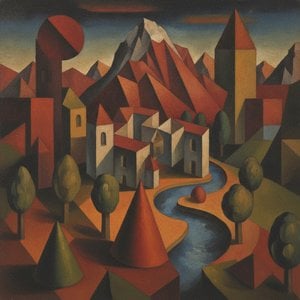
Explore the profound evolution of Cubist landscapes. Discover how masters like Braque and Picasso redefined perspective through geometric mastery, transforming nature into an intellectual mosaic of form and light for the discerning modern art collector.
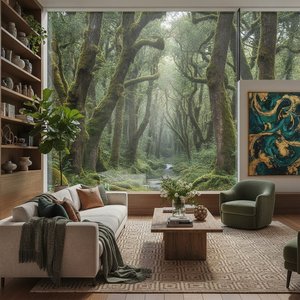
Transform your sanctuary with the serene beauty of enchanting forest landscapes. Discover a curated collection of woodland masterpieces—from Impressionist light to bespoke oil commissions—designed to elevate sophisticated interiors with museum-quality elegance and timeless grace.


 미리보기
미리보기
 공유하기
공유하기 공유하기
공유하기
 상세 정보
상세 정보 가이드 보기

 다운로드
다운로드
 유사 작품
유사 작품 X-레이
X-레이 슬라이드 쇼
 통계 정보
통계 정보 더 보기
더 보기









 유리 옵션은 110cm 미만 크기에서만 선택 가능합니다.


