
빠른 제작과 다양한 마감 옵션을 제공하는 박물관 품질의 지클레이 또는 캔버스 프린트. ( 손으로 그린 그림 구매 디지털 이미지로 전환)





























작품의 원본 비율을 유지하는 미리 설정된 크기 중에서 선택하세요.

특정 프레임이나 공간에 맞춰 직접 치수를 입력하실 수 있습니다. 선택하신 사이즈가 원본 이미지의 비율과 일치하지 않을 경우, 작품을 크롭(자르기)하거나 이미지를 대칭 또는 단색 채우기로 확장하여 제작합니다. 제작 시작 전, 최종 확인을 위해 디지털 목업이 전송됩니다.
화면상의 미리보기는 실제 크롭이나 확장 상태를 반영하지 않으므로, 최종 구도는 오직 목업을 통해서만 정확하게 확인하실 수 있습니다.
맞춤 사이즈 제작도 가능하지만, 원본 비율을 유지하기 위해서는 사전 정의된 목록에서 치수를 선택하시는 것을 권장합니다.

St George and the Dragon
복제본 크기
Paolo Uccello’s “St George and the Dragon” stands as a testament to the transformative power of artistic innovation during the Early Renaissance. More than just a depiction of a legendary tale—the slaying of the dragon by Saint George rescuing Princess Angelica—it represents a radical reimagining of how artists perceived and rendered space, cementing Uccello’s place among the foremost figures shaping the aesthetic landscape of Florence.
About Paolo Uccello: Born in Pratovecchio around 1397, Paolo di Dono – later known as Uccello – wasn't merely a painter; he was an architect and mathematician who fundamentally altered artistic conventions. His father practiced both barber-surgery and craftsmanship, providing him with practical grounding alongside an appreciation for beauty. From 1412 to 1416, Uccello honed his skills under Lorenzo Ghiberti’s tutelage at the Baptistery workshop in Florence – a crucible of artistic experimentation where groundbreaking ideas flourished.
What distinguishes “St George and the Dragon” from its contemporaries is Uccello's audacious embrace of linear perspective. Unlike artists who relied on illusionistic techniques to create depth, Uccello meticulously calculated angles and lines to achieve a startlingly realistic portrayal of three-dimensional space. This wasn’t simply about making things look bigger; it was about conveying the sensation of actually *seeing* the scene unfold before your eyes—a monumental achievement that foreshadowed developments in Western art for centuries to come.
The painting's composition is deliberately staged, emphasizing the drama of Saint George’s confrontation with the dragon. The horse beneath St George’s feet occupies a crucial position, anchoring the perspective system and drawing the viewer’s gaze into the scene. Careful attention to light and shadow further enhances the visual impact, creating an atmosphere of tension and anticipation.
"St George and the Dragon" transcends its surface narrative, serving as a potent allegory for the struggle between good and evil—Christianity versus pagan superstition. Saint George embodies courage and righteousness, battling against overwhelming odds to protect innocence and defend faith. The dragon symbolizes darkness, temptation, and demonic influence, representing forces attempting to corrupt humanity.
The princess Angelica represents purity and virtue, symbolizing the soul’s quest for salvation. Her vulnerability underscores the importance of divine protection in overcoming adversity. Uccello's masterful storytelling elevates the artwork beyond a mere visual spectacle, inviting contemplation on profound moral themes.
At WahooArt.com, we offer exquisitely crafted oil painting reproductions of “St George and the Dragon,” meticulously recreating Uccello’s groundbreaking vision with unparalleled accuracy. Our artisans employ traditional techniques to faithfully reproduce every nuance of color and texture, ensuring that you experience the beauty and grandeur of this iconic masterpiece in your own home.
Browse our collection today at WahooArt.com and bring the spirit of Renaissance artistry into your living space!


1397 - 1475 , 이탈리아

Embark on a sophisticated journey through art history with our exploration of Saint Peter's most powerful masterpieces. Discover the profound emotional depth and technical brilliance of Renaissance and Baroque icons, curated for the discerning classic art enthusiast.

Embark on a profound journey through art history with our exploration of Saint Francis's most iconic works. Discover Giotto’s revolutionary frescoes and the spiritual depth of Proto-Renaissance masterpieces through an expert lens for the true classic art enthusiast.

Discover the profound beauty of Saint Artworks. Explore the history, symbolism, and luminous mastery of Renaissance religious masterpieces through an expert art-historical lens.

Embark on a visual journey through Early Medieval art. Explore the profound beauty of illuminated manuscripts, sacred symbols, and golden light through an expert historical lens, celebrating the enduring legacy of medieval craftsmanship and divine artistry.
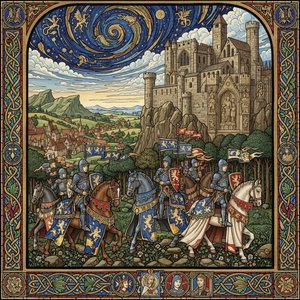
Explore the profound beauty of medieval art through the lens of history. Discover the symbolism of knights, the divine frescoes of Giotto, and how legendary masterpieces continue to inspire modern collectors and lovers of chivalric heritage.


 미리보기
미리보기
 공유하기
공유하기 공유하기
공유하기
 상세 정보
상세 정보 가이드 보기

 다운로드
다운로드
 유사 작품
유사 작품 X-레이
X-레이 슬라이드 쇼
 통계 정보
통계 정보
 더 보기
더 보기









 유리 옵션은 110cm 미만 크기에서만 선택 가능합니다.


