온라인 미리보기보다 훨씬 뛰어난 품질의 고해상도 디지털 이미지를 구매해 보세요.
각 파일은 사내 전문가가 고급 도구와 숙련된 수동 리터칭 기술을 사용하여 세심하게 준비합니다. 우리는 모든 이미지가 탁월한 선명도, 정확한 색상 재현력, 그리고 미세한 디테일까지 완벽하게 갖추도록 보장합니다.
최종 파일은 전문적인 편집 및 인쇄 환경에서 즉시 사용할 수 있도록 최적화되어 72시간 이내에 이메일로 발송됩니다. 이는 세계적인 디자인 스튜디오, 출판사 및 갤러리가 신뢰하는 것과 동일한 품질입니다.
개인 소장 및 전시, 인쇄, 창작 프로젝트를 위한 고해상도 파일을 다운로드하세요. ( 프린트 판매로 전환 손으로 그린 그림 구매)
WahooArt.com를 선택하시면 단순히 이미지를 받는 것을 넘어, 정밀한 보정 과정을 거친 전문적인 디지털 예술 작품을 만나보실 수 있습니다. 모든 작품에는 만족 보장 서비스가 함께 제공되며, 주문 시 다음과 같은 사항들이 자동으로 포함됩니다:

주문 후 72시간 이내에 고해상도 디지털 이미지 파일이 이메일로 발송되며, 즉시 사용하실 수 있습니다.

귀하의 작품은 고급 AI 도구와 수동 편집 과정을 거쳐 전문적으로 최적화되며, 이를 통해 디테일과 선명도, 색상의 정확도를 극대화합니다.

파일을 실수로 삭제하거나 분실하셨나요? 걱정 마세요. 언제든 무료로 다시 보내드립니다.

관세나 부가세, 배송비 부담 없이 작품을 즉시 감상하세요 - 디지털 다운로드는 언제나 면세 혜택이 적용됩니다.

전문적인 도구와 색상 관리 시스템을 통해 디지털 이미지가 원본의 색상을 최대한 정확하게 구현하도록 보장합니다.

구매하신 디지털 이미지에 만족하지 못하실 경우, 100일 이내에 별도의 조건 없이 수정 또는 100% 환불을 진행해 드립니다.

만족스럽지 않으신가요? 디지털 파일을 받으신 후 100일 이내에 어떠한 조건 없이 전액 환불해 드립니다.

이미지 3매 구매 시 10% 할인 - 5매 구매 시 15% 할인 - 10매 이상 구매 시 20% 할인. 크리에이티브 프로젝트, 갤러리, 에이전시에 매우 유용합니다.

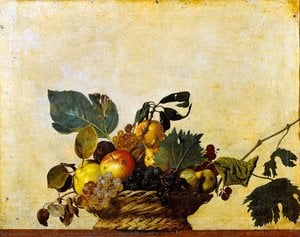
Paolo Porpora (1617-1673) stands as a pivotal figure in the late Baroque art scene of Naples, renowned for his exquisite and meticulously rendered floral still lifes. His work offers a captivating glimpse into the vibrant artistic landscape of 17th-century Italy, blending Italian tradition with subtle influences from Northern Europe – particularly the Dutch masters of flower painting. Porpora’s legacy lies not just in the beauty of his compositions but also in his role as an influential teacher, shaping the style of subsequent generations of Neapolitan artists.
Born in Naples in 1617, Porpora's artistic journey began under the tutelage of Giacomo Recco, a prominent figure in the city’s painting scene. Recco, known for his dramatic and theatrical compositions, instilled in Porpora a foundational understanding of perspective and form. Crucially, Porpora followed Recco into specializing in still life – a genre that was gaining increasing prominence during this period. He further honed his skills under Aniello Falcone, a workshop master who provided him with practical experience and exposure to the techniques of the time. This early training laid the groundwork for Porpora’s distinctive style.
In 1656, Porpora joined the prestigious Roman Accademia di San Luca, a renowned artistic institution that attracted leading artists from across Italy and beyond. This move proved transformative, exposing him to the innovative techniques and stylistic trends of Northern Europe, specifically those practiced by Netherlandish flower painters like Otto Marseus van Schrieck and Mathias Withoos. These artists, who had established studios in Rome during the mid-17th century, were masters of capturing the delicate details of flowers and fruits with remarkable precision and scientific observation. Porpora absorbed these influences, incorporating them into his own work to create a unique synthesis of Italian and Northern European styles.
Porpora’s engagement with Dutch still life painting is evident in several key aspects of his oeuvre. Unlike the predominantly dark and dramatic backgrounds favored by some of his contemporaries, Porpora often employed lighter, more luminous palettes, reflecting the Northern European emphasis on capturing natural light and color. His compositions are characterized by a meticulous attention to detail – he painstakingly rendered every petal, leaf, and stem with astonishing accuracy. Furthermore, the inclusion of elements like insects (butterflies, beetles) and small objects (crystals, goblets) within his still lifes demonstrates a fascination with the intricacies of nature, mirroring a trend that was gaining popularity in Dutch flower painting.
However, it’s important to note that Porpora didn't simply imitate Northern European styles. He skillfully integrated these influences into a distinctly Neapolitan aesthetic, retaining a sense of drama and theatricality characteristic of Italian Baroque art. His works often feature rich textures, vibrant colors, and a dynamic arrangement of objects – creating visually arresting compositions that command attention.
Among Porpora’s most celebrated paintings are several large-scale floral still lifes depicting arrangements of fruit, flowers, and other natural elements. These works showcase his technical mastery and artistic vision. The “Woodland Scene with Flamingo” (Louvre Museum), for example, exemplifies his ability to combine meticulous detail with a sense of atmospheric depth and drama. His paintings are often found in the collections of the Capodimonte Museum in Naples and the Banco di Napoli.
Porpora’s influence extended beyond his own artistic practice. He served as a teacher to several promising young painters, including Giovan Battista Ruoppolo – another significant Neapolitan still-life master – and Onofrio Loth. Through his instruction, Porpora helped to disseminate the techniques and stylistic principles of Northern European flower painting within the Neapolitan art community, ensuring its continued development and evolution.
Paolo Porpora’s contribution to the history of Italian Baroque art is considerable. He represents a crucial link between the traditional styles of Naples and the innovative trends emerging from Northern Europe. His meticulous attention to detail, his skillful integration of diverse influences, and his role as an influential teacher cemented his place as one of the most important painters of his time.
Today, Porpora’s works are treasured for their beauty, technical skill, and historical significance. They offer a valuable insight into the artistic landscape of 17th-century Naples and serve as a testament to the enduring appeal of floral still life painting. His legacy continues to inspire artists and art lovers alike, reminding us of the power of observation, technique, and creative vision.

1617 - 1673 , Italy


 미리보기
미리보기
 공유하기
공유하기 공유하기
공유하기
 상세 정보
상세 정보 가이드 보기

 다운로드
다운로드
 유사 작품
유사 작품 X-레이
X-레이 슬라이드 쇼
 통계 정보
통계 정보 더 보기
더 보기