
 EtchingCubist Influence
 1928Modern
 19.0 x 28.0 cm
 MoMA
MoMA원하는 크기와 액자로 주문 제작되는, 작가들이 직접 캔버스에 손으로 그린 유화 작품입니다. ( 프린트 판매로 전환 디지털 이미지로 전환)





























작품의 원본 비율을 유지하는 미리 설정된 크기 중에서 선택하세요.

특정 프레임이나 공간에 맞도록 직접 크기를 입력할 수 있습니다. 선택하신 크기가 원본 이미지의 비율과 일치하지 않는 경우, 작품을 자르거나 추가적인 손으로 그린 요소를 사용하여 그림을 확장합니다. 제작 시작 전 승인을 위해 디지털 목업을 보내드립니다.
화면 미리 보기는 실제 자르기 또는 확장을 반영하지 않습니다. 최종 구성은 목업을 통해서만 정확하게 확인하실 수 있습니다.
맞춤 크기 제작도 가능하지만, 원본 비율을 유지하기 위해 사전 정의된 목록에서 크기를 선택하시는 것을 권장합니다.

Working painter observed by a nude model
복제본 크기
In the hushed atmosphere of a 1928 studio, Pablo Picasso captured a moment that transcends the mere act of painting, offering us instead a profound meditation on the gaze. "Working Painter Observed by a Nude Model" is not simply a depiction of an artist at his easel; it is a delicate dance of observation and vulnerability. Through the masterful medium of etching, Picasso invites the viewer into a private sanctuary where the boundaries between creator and subject begin to blur. The artwork presents a stark yet soulful monochrome palette, where subtle shades of gray dance against a warm, beige paper, creating an atmosphere of quiet intensity that commands the room it inhabates.
The composition is anchored by two figures locked in a silent dialogue. On one side, the painter—a surrogate for Picasso himself—is deeply immersed in his labor, his form partially obscured as he focuses on the canvas. Opposite him, a nude model reclines upon a chaise lounge, her eyes fixed intently upon the artist's progress. This arrangement evokes a sense of voyeurism and shared purpose, suggesting that the act of creation is never a solitary endeavor but one fueled by the energy of the muse. For the discerning collector or interior designer, this piece offers a sophisticated focal point, bringing a sense of intellectual depth and classical poise to any modern space.
Technically, this work is a triumph of intaglio printmaking. Picasso utilized the etching process to achieve a level of detail and tonal gradation that a brush alone might struggle to convey. By meticulously manipulating acid on a metal plate, he created a network of fine, closely spaced lines that define the soft contours of the human form and the textured weight of the studio objects. The use of linear hatching provides a palpable sense of depth, guiding the eye through the flattened pictorial space characteristic of his Cubist-influenced style.
The brilliance of the technique lies in its restraint. There is no need for vibrant color when the density of a single black line can suggest the heavy shadow of a chair or the delicate light hitting a shoulder. This mastery of light and shadow—chiaroscuro reimagined through a modern lens—creates a rhythmic texture that makes the print feel alive. The organic shapes of the figures contrast beautifully with the structured, geometric elements of the studio setting, providing a visual complexity that rewards prolonged contemplation.
Historically, this piece emerges from a pivotal era in Picasso's career, where he was navigating the complexities of post-Cubist expression. While it retains the fragmented perspective and structural experimentation of his earlier radical works, there is a newfound Neoclassical grace present here. It reflects a period of profound introspection, where the artist sought to reconnect with the fundamental human elements of form and emotion. The nudity of the model serves as a powerful symbol of openness and truth, stripping away the superficial to reveal the raw essence of the creative spirit.
For those looking to adorn their homes or galleries with a piece of art history, this reproduction offers more than just aesthetic beauty; it offers an emotional resonance. It is a work that speaks of the beauty found in stillness and the profound connection found in the act of looking. Whether placed in a minimalist contemporary study or a classic, richly textured library, "Working Painter Observed by a Nude Model" serves as a timeless testament to the enduring power of the artistic gaze.


1881 - 1973 , 스페인

당신의 예술적 영감을 전 세계로 확장하세요. WahooArt는 재고 부담 없는 프리미엄 지클리(Giclée) 프린트 솔루션을 통해 인플루언서와 작가들에게 글로벌 비즈니스 기회를 제공합니다. 박물관급 품질의 파인 아트 프린팅과 투명한 물류 시스템으로 당신의 작품을 시대를 초월한 예술적 유산으로 완성해 드립니다.
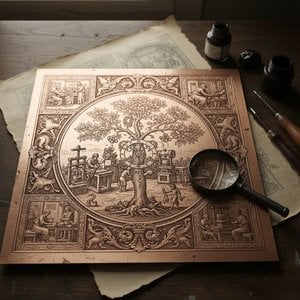
Explore the intricate world of etching and intaglio printmaking. Discover how masters use acid and metal to create profound textures and lines, from Romanticism to modern era, through an expert lens of art history and technical mastery.

Master the nuances of Giclée printing with our expert guide. Discover how pigment-based inks and museum-grade substrates create fade-resistant, high-fidelity art reproductions designed for discerning collectors seeking unparalleled quality and longevity.


 미리보기
미리보기
 공유하기
공유하기 공유하기
공유하기
 상세 정보
상세 정보 Guide
Guide

 다운로드
다운로드
 유사 작품
유사 작품 X-레이
X-레이 슬라이드 쇼
 통계 정보
통계 정보 더 보기
더 보기









 유리 옵션은 110cm 미만 크기에서만 선택 가능합니다.


