
빠른 제작과 다양한 마감 옵션을 제공하는 박물관 품질의 지클레이 또는 캔버스 프린트. ( 손으로 그린 그림 구매 디지털 이미지로 전환)





























작품의 원본 비율을 유지하는 미리 설정된 크기 중에서 선택하세요.

특정 프레임이나 공간에 맞춰 직접 치수를 입력하실 수 있습니다. 선택하신 사이즈가 원본 이미지의 비율과 일치하지 않을 경우, 작품을 크롭(자르기)하거나 이미지를 대칭 또는 단색 채우기로 확장하여 제작합니다. 제작 시작 전, 최종 확인을 위해 디지털 목업이 전송됩니다.
화면상의 미리보기는 실제 크롭이나 확장 상태를 반영하지 않으므로, 최종 구도는 오직 목업을 통해서만 정확하게 확인하실 수 있습니다.
맞춤 사이즈 제작도 가능하지만, 원본 비율을 유지하기 위해서는 사전 정의된 목록에서 치수를 선택하시는 것을 권장합니다.

Scène de tauromachie
복제본 크기
In the heart of Pablo Picasso’s “Scène de tauromachie,” we find more than a mere depiction of a Spanish spectacle; we encounter a visceral, breathing embodiment of movement and tension. Painted around 1925, this masterpiece serves as a profound intersection between deeply rooted cultural tradition and the radical, fractured language of modernism. The canvas does not simply show us a bullfight; it invites us into the very atmosphere of the arena—the electric thrill of anticipation, the dust-laden air, and the primal struggle between man and beast. For the discerning collector or designer, this work offers a captivating window into a moment in history where the old world of ritual met the new world of geometric revolution.
The composition is a masterclass in Cubist fragmentation. Rather than relying on the comfortable illusions of traditional perspective, Picasso employs a technique that dissects the scene into a rhythmic dance of geometric planes. The horse riders are not rendered as solid, singular figures but as fractured entities, their forms broken into angular shapes that overlap and intersect. This deliberate distortion mirrors the chaotic, high-octane energy of the bullfight itself. As your eyes move across the canvas, you experience multiple perspectives simultaneously, feeling the kinetic energy of the horses and the sudden, sharp movements of the participants. It is a technique that rejects static realism in favor of capturing the raw, emotional truth of the event.
Beyond its technical brilliance, the painting is steeped in the cultural identity of Spain during a period of profound transition. Bullfighting has long been a symbol of courage, honor, and the ritualistic confrontation with mortality. Through his lens, Picasso explores these themes not just as an observer, but as a participant in the national psyche. The presence of the dog near the center of the composition adds a layer of grounded, earthly reality to the stylized chaos, acting as a silent witness to the unfolding drama. Every stroke and every fractured line serves to communicate the underlying tension that defines the bullring—a space where life and death, tradition and innovation, are inextricably linked.
For those looking to integrate such a powerful piece into a curated interior, "Scène de tauromachie" provides an unparalleled focal point. Its complex layers of meaning and dynamic structure make it an ideal choice for spaces that demand intellectual depth and visual excitement. Whether displayed in a contemporary gallery setting or as a sophisticated centerpiece in a classic study, this reproduction brings with it the enduring legacy of Picasso’s revolutionary spirit. It is an invitation to contemplate the beauty found within fragmentation and the timeless power of a story told through the language of modern art.

1881 - 1973 , 스페인

Explore the profound evolution of Cubist still life, from Cézanne's structural foundations to the fragmented brilliance of Braque and Léger. Discover how geometric abstraction redefined reality through a sophisticated lens of form, color, and modern artistic mastery.

Explore the profound depth of Cubist Expression. From the deconstructed forms of Picasso to Braque’s geometric mastery, discover how shattering reality through abstraction redefined modern art and continues to inspire sophisticated collectors worldwide.

Master the nuances of Giclée printing with our expert guide. Discover how pigment-based inks and museum-grade substrates create fade-resistant, high-fidelity art reproductions designed for discerning collectors seeking unparalleled quality and longevity.
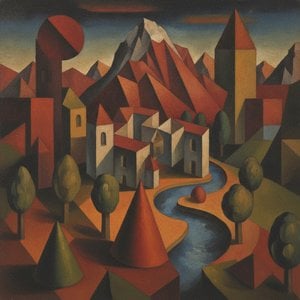
Explore the profound evolution of Cubist landscapes. Discover how masters like Braque and Picasso redefined perspective through geometric mastery, transforming nature into an intellectual mosaic of form and light for the discerning modern art collector.


 미리보기
미리보기
 공유하기
공유하기 공유하기
공유하기
 상세 정보
상세 정보 가이드 보기

 다운로드
다운로드
 유사 작품
유사 작품 X-레이
X-레이 슬라이드 쇼
 통계 정보
통계 정보

 더 보기
더 보기









 유리 옵션은 110cm 미만 크기에서만 선택 가능합니다.


