
빠른 제작과 다양한 마감 옵션을 제공하는 박물관 품질의 지클레이 또는 캔버스 프린트. ( 손으로 그린 그림 구매 디지털 이미지로 전환)





























작품의 원본 비율을 유지하는 미리 설정된 크기 중에서 선택하세요.

특정 프레임이나 공간에 맞춰 직접 치수를 입력하실 수 있습니다. 선택하신 사이즈가 원본 이미지의 비율과 일치하지 않을 경우, 작품을 크롭(자르기)하거나 이미지를 대칭 또는 단색 채우기로 확장하여 제작합니다. 제작 시작 전, 최종 확인을 위해 디지털 목업이 전송됩니다.
화면상의 미리보기는 실제 크롭이나 확장 상태를 반영하지 않으므로, 최종 구도는 오직 목업을 통해서만 정확하게 확인하실 수 있습니다.
맞춤 사이즈 제작도 가능하지만, 원본 비율을 유지하기 위해서는 사전 정의된 목록에서 치수를 선택하시는 것을 권장합니다.

Portrait de Paloma
복제본 크기
Pablo Picasso’s “Portrait de Paloma,” completed in 1953, stands as a poignant testament to the artist's enduring fascination with his daughter and his masterful manipulation of Cubist principles. This deceptively simple pencil drawing on paper transcends mere representation; it embodies a profound exploration of perspective and emotion within a tightly cropped composition.
Picasso's artistic journey was marked by constant experimentation and a willingness to challenge conventions. From his early explorations of naturalistic representation—evident in works like “The Old Guitarist”—to his groundbreaking Cubist breakthroughs, he consistently sought new ways to express emotion and convey complex ideas.
"Portrait de Paloma" exemplifies this spirit of innovation, demonstrating Picasso's ability to distill profound psychological insight into a deceptively understated visual form. It’s a piece that invites contemplation on the nature of perception and the artist’s role in capturing fleeting moments of human experience.
Picasso’s legacy extends far beyond his individual artworks, shaping the course of 20th-century art history. His influence can be seen in movements like Surrealism and Expressionism, as well as countless artists who drew inspiration from his stylistic innovations.
"Portrait de Paloma," alongside monumental canvases such as “Guernica,” stands as a cornerstone of Picasso’s oeuvre—a testament to his unwavering commitment to artistic exploration and his enduring ability to resonate with audiences across generations.

1881 - 1973 , 스페인

Elevate your artistic practice with this expert guide to mastering the line. Discover advanced techniques in graphite, charcoal, and contour drawing designed for art students seeking technical precision and expressive depth in their fine art studies.

Explore the profound artistry of graphite drawing. Discover professional techniques for mastering depth, texture, and detail through a lens of art history, from classical sketches to modern masterpieces. Elevate your understanding of the pencil medium with our expert guide.

Discover the sophisticated mastery of graphite drawing. Explore expert techniques for achieving profound depth, intricate texture, and hyper-realistic detail through the alchemy of carbon, curated for the discerning art enthusiast and professional collector.
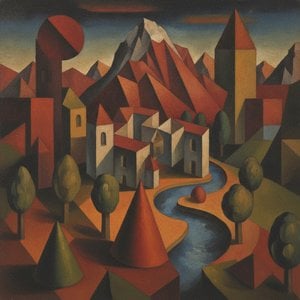
Explore the profound evolution of Cubist landscapes. Discover how masters like Braque and Picasso redefined perspective through geometric mastery, transforming nature into an intellectual mosaic of form and light for the discerning modern art collector.

Explore the profound evolution of Cubism through an expert analysis of Pablo Picasso's revolutionary works. From Analytical to Synthetic Cubism, discover the techniques that redefined modern art and learn how to curate these iconic masterpieces for your private collection.


 미리보기
미리보기
 공유하기
공유하기 공유하기
공유하기
 상세 정보
상세 정보

 다운로드
다운로드
 유사 작품
유사 작품 X-레이
X-레이 슬라이드 쇼
 통계 정보
통계 정보
 더 보기
더 보기









 유리 옵션은 110cm 미만 크기에서만 선택 가능합니다.


