
 GouacheWallArtCrystal Cubism
 1920Modern
 25.0 x 19.0 cm
빠른 제작과 다양한 마감 옵션을 제공하는 박물관 품질의 지클레이 또는 캔버스 프린트. ( 손으로 그린 그림 구매 디지털 이미지로 전환)





























작품의 원본 비율을 유지하는 미리 설정된 크기 중에서 선택하세요.

특정 프레임이나 공간에 맞춰 직접 치수를 입력하실 수 있습니다. 선택하신 사이즈가 원본 이미지의 비율과 일치하지 않을 경우, 작품을 크롭(자르기)하거나 이미지를 대칭 또는 단색 채우기로 확장하여 제작합니다. 제작 시작 전, 최종 확인을 위해 디지털 목업이 전송됩니다.
화면상의 미리보기는 실제 크롭이나 확장 상태를 반영하지 않으므로, 최종 구도는 오직 목업을 통해서만 정확하게 확인하실 수 있습니다.
맞춤 사이즈 제작도 가능하지만, 원본 비율을 유지하기 위해서는 사전 정의된 목록에서 치수를 선택하시는 것을 권장합니다.

Pierrot and harlequin
복제본 크기
In the early years of the 1920s, Pablo Picasso embarked on a profound stylistic journey that would forever alter the landscape of modern art. During this period, often characterized by his Crystal Cubism phase, he moved away from the fractured, analytical complexities of his earlier work toward a more structured, yet deeply unsettling, clarity. His masterpiece, Pierrot and Harlequin, stands as a haunting distillation of this era. It is not merely a depiction of theatrical archetypes; it is a visceral exploration of psychological confrontation. Through the use of gouache and stencil techniques on a modest canvas, Picasso manages to command a presence that far exceeds its physical dimensions, inviting viewers into a world where the boundaries between performance and reality are dangerously blurred.
The visual language of the piece is defined by a striking geometric distortion. Eschewing traditional linear perspective, Picasso utilizes flattened planes of color and overlapping shapes to create a sense of compressed space. This technique, central to the Crystal Cubist movement, strips the figures of their naturalistic softness, replacing it with an architectural rigidity that feels both modern and ancient. The vibrant red of one figure’s attire acts as a focal point, cutting through the darker, more somber tones of the background like a sudden burst of adrenaline. This deliberate disruption of visual harmony creates a palpable tension, as if the very air around the characters is thick with an impending, unseen conflict.
To understand the emotional weight of this work, one must look to the historical lineage of its subjects. Pierrot and Harlequin are legendary figures from the Commedia dell’Arte, a form of Italian improvisational theater that has long served as a canvas for artists exploring human duality. In Picasso’s hands, these characters are reimagined through a lens of profound psychological depth. Harlequin, traditionally the cunning and mischievous trickster, is juxtapified against the melancholic, vulnerable Pierrot. The presence of weapons—a gun held by the figure in red and a knife gripped by the man in black—transforms these theatrical archetypes into symbols of internal struggle. It is as if Picasso is staging a battle not between two men, but between two facets of the human soul: the instinct for survival and the fragility of innocence.
For the discerning collector or interior designer, Pierrot and Harlequin offers more than just aesthetic beauty; it provides a profound intellectual anchor. The painting’s ability to evoke both stillness and violence makes it an extraordinary piece for spaces that demand character and conversation. Whether placed in a contemporary gallery setting or integrated into a sophisticated, curated living space, the work serves as a window into the turbulent psyche of the twentieth century's most influential artist. It is a testament to Picasso’s enduring ability to capture the essence of human anxiety through the bold, transformative power of color and form.

1881 - 1973 , 스페인

Embark on a journey through the revolutionary world of Cubism. Discover how masters like Picasso redefined perspective through Analytical and Synthetic techniques in this expert-led guide for art enthusiasts and collectors.

Explore the profound evolution of Cubism through an expert analysis of Pablo Picasso's revolutionary works. From Analytical to Synthetic Cubism, discover the techniques that redefined modern art and learn how to curate these iconic masterpieces for your private collection.

Unveil the radical revolution of Cubism. Explore how masters like Picasso and Braque redefined modern art through fragmented forms and geometric abstraction, offering profound insights for discerning collectors of fine art history and masterpieces.
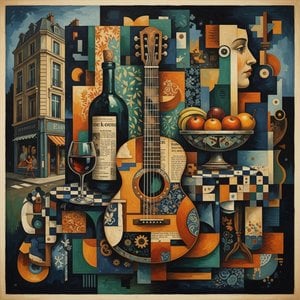
Master the vibrant world of Synthetic Cubism with our expert guide. Explore the revolutionary techniques of Picasso and Braque, from collage to color, and discover how this movement redefined modern art for collectors and connoisseurs alike.

Master the complexities of Cubism with our expert guide for collectors. Explore the revolutionary forms of Picasso, distinguish between Analytical and Synthetic styles, and learn to integrate these profound geometric aesthetics into your private art collection.


 미리보기
미리보기
 공유하기
공유하기 공유하기
공유하기
 상세 정보
상세 정보 Guide
Guide

 다운로드
다운로드
 유사 작품
유사 작품 X-레이
X-레이 슬라이드 쇼
 통계 정보
통계 정보 더 보기
더 보기









 유리 옵션은 110cm 미만 크기에서만 선택 가능합니다.


