
빠른 제작과 다양한 마감 옵션을 제공하는 박물관 품질의 지클레이 또는 캔버스 프린트. ( 손으로 그린 그림 구매 디지털 이미지로 전환)





























작품의 원본 비율을 유지하는 미리 설정된 크기 중에서 선택하세요.

특정 프레임이나 공간에 맞춰 직접 치수를 입력하실 수 있습니다. 선택하신 사이즈가 원본 이미지의 비율과 일치하지 않을 경우, 작품을 크롭(자르기)하거나 이미지를 대칭 또는 단색 채우기로 확장하여 제작합니다. 제작 시작 전, 최종 확인을 위해 디지털 목업이 전송됩니다.
화면상의 미리보기는 실제 크롭이나 확장 상태를 반영하지 않으므로, 최종 구도는 오직 목업을 통해서만 정확하게 확인하실 수 있습니다.
맞춤 사이즈 제작도 가능하지만, 원본 비율을 유지하기 위해서는 사전 정의된 목록에서 치수를 선택하시는 것을 권장합니다.

Paysage aux deux figures
복제본 크기
Paysage aux deux figures (Landscape with Two Figures) represents a crucial juncture in Pablo Picasso’s artistic development, offering a compelling glimpse into the nascent stages of Cubism. Created around 1909-1910 – a period defined by radical experimentation – this work bridges his earlier styles with the revolutionary aesthetic that would define much of the 20th century.
The painting depicts two figures traversing a wooded landscape. However, Picasso doesn’t aim for realistic representation. Instead, he subtly dismantles traditional perspective and form. The figures are suggested rather than explicitly rendered, constructed from simplified shapes and planes that seamlessly integrate with the surrounding trees. A dominant tree anchors the composition in the background, its branches reaching upwards, while two smaller trees provide a foreground counterpoint. This deliberate fragmentation is characteristic of Picasso’s evolving style.
Paysage aux deux figures exemplifies Picasso's Analytical Cubism phase. Notice how he breaks down objects into geometric forms, presenting multiple viewpoints simultaneously – a radical departure from traditional single-perspective representation. The color palette is deliberately restrained, dominated by earthy tones of greens, browns, and ochres. This limited range reinforces the painting’s harmonious connection to nature while emphasizing form over vibrant color. Unlike later Synthetic Cubist works that incorporated collage, this piece relies solely on painterly means to achieve its deconstructed aesthetic.
The early 20th century was a period of immense intellectual and artistic upheaval. Influenced by scientific advancements – such as Einstein’s theory of relativity – and philosophical shifts, artists began to question traditional methods of representation. Picasso, alongside Georges Braque, sought not merely to *depict* reality but to explore the very *structure* of perception itself. This painting is a vital step in that journey, marking his decisive break from earlier periods like the Rose and Blue Periods.
While fragmented, Paysage aux deux figures evokes a sense of quiet contemplation and connection to the natural world. The simplification of forms doesn’t diminish emotional impact; rather, it invites active participation from the viewer in reconstructing the scene and interpreting its meaning. The ambiguity surrounding the relationship between the two figures – are they walking together or apart? – adds a layer of psychological depth, prompting reflection on themes of companionship, solitude, and the human condition.
This painting would be stunning within a modern or contemporary interior that embraces natural materials and textures. Consider pairing it with furniture featuring clean lines and organic shapes to complement its geometric forms. Neutral wall colors will allow the artwork’s subtle palette to truly shine. Museum-quality lighting is essential to highlight the nuances of Picasso's brushwork and color choices. Allow ample viewing distance to fully appreciate the painting’s complex composition.
Paysage aux deux figures isn’t simply a landscape; it is a testament to Picasso's genius and his revolutionary contribution to modern art. It remains a captivating piece that continues to inspire, challenge, and provoke thought in viewers today – a powerful reminder of the transformative power of artistic innovation.

1881 - 1973 , 스페인

Explore the revolutionary world of Cubist portraiture. From Picasso's fragmented forms to Malevich's geometric abstraction, discover how this movement redefined perspective and remains a premier choice for discerning art collectors seeking modernist mastery.

Explore the profound impact of Cubism on modern art. Our expert guide delves into the revolutionary techniques of Picasso and Braque, offering collectors deep insights into deconstructing form, perspective, and the enduring legacy of the Cubist movement.
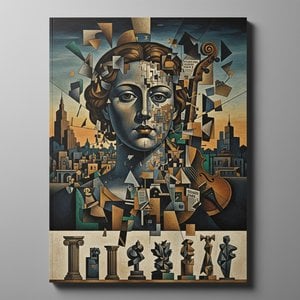
Master the complexities of Cubism with our expert guide. Explore the revolutionary fragmentation of Picasso and Braque, from Analytic to Synthetic styles, and learn how to evaluate these profound modernist masterpieces for your private collection.
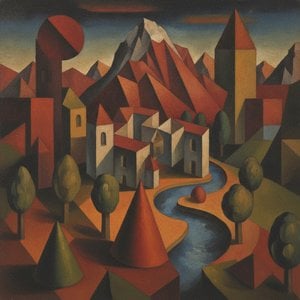
Explore the profound evolution of Cubist landscapes. Discover how masters like Braque and Picasso redefined perspective through geometric mastery, transforming nature into an intellectual mosaic of form and light for the discerning modern art collector.

Explore the profound evolution of Cubism through an expert analysis of Pablo Picasso's revolutionary works. From Analytical to Synthetic Cubism, discover the techniques that redefined modern art and learn how to curate these iconic masterpieces for your private collection.


 미리보기
미리보기
 공유하기
공유하기 공유하기
공유하기
 상세 정보
상세 정보 가이드 보기

 다운로드
다운로드
 유사 작품
유사 작품 X-레이
X-레이 슬라이드 쇼
 통계 정보
통계 정보

 더 보기
더 보기









 유리 옵션은 110cm 미만 크기에서만 선택 가능합니다.


