
 Oil On CanvasWallArtCubism
 1925Modern
 98.0 x 131.0 cm
빠른 제작과 다양한 마감 옵션을 제공하는 박물관 품질의 지클레이 또는 캔버스 프린트. ( 손으로 그린 그림 구매 디지털 이미지로 전환)





























작품의 원본 비율을 유지하는 미리 설정된 크기 중에서 선택하세요.

특정 프레임이나 공간에 맞춰 직접 치수를 입력하실 수 있습니다. 선택하신 사이즈가 원본 이미지의 비율과 일치하지 않을 경우, 작품을 크롭(자르기)하거나 이미지를 대칭 또는 단색 채우기로 확장하여 제작합니다. 제작 시작 전, 최종 확인을 위해 디지털 목업이 전송됩니다.
화면상의 미리보기는 실제 크롭이나 확장 상태를 반영하지 않으므로, 최종 구도는 오직 목업을 통해서만 정확하게 확인하실 수 있습니다.
맞춤 사이즈 제작도 가능하지만, 원본 비율을 유지하기 위해서는 사전 정의된 목록에서 치수를 선택하시는 것을 권장합니다.

Mandolin, Fruit Bowl, and Plaster Arm
복제본 크기
This striking oil on canvas painting by Pablo Picasso, created in 1925, presents a captivating still life composition titled “Mandolin, Fruit Bowl, and Plaster Arm.” Measuring 98 x 131 cm, the artwork exemplifies Picasso’s mastery of Cubism, showcasing fragmented forms and multiple perspectives within a shallow pictorial space. It was painted for exhibition at the fashionable Paul Rosenberg gallery in Paris, reflecting its significance within the artistic circles of the time.
The painting is a quintessential example of Picasso’s Cubist style. Objects—a mandolin, a fruit bowl brimming with produce, and an intriguing plaster arm—are not depicted realistically but rather broken down into geometric shapes – rectangles, triangles, and planes. These forms are then reassembled in a deliberately disjointed manner, presenting multiple viewpoints simultaneously. The color palette is notably muted, dominated by shades of grey, black, orange, yellow, and white. This restrained use of color further emphasizes the focus on form and structure rather than vibrant representation. Precise geometric construction and careful color blocking define Picasso’s technique here; there's a deliberate lack of visible brushstrokes, contributing to the painting's flat, almost graphic quality.
Painted in 1925, this work emerged during a period of significant artistic innovation. The large scale and muted colors were highly regarded by collectors who also championed modern architects like Le Corbusier and furniture makers such as Émile-Jacques Ruhlmann. These figures adapted Cubist principles into their own designs, demonstrating the widespread influence of Picasso’s style on the broader landscape of modern art and design. The painting's exhibition at Paul Rosenberg's gallery underscores its place within a fashionable artistic milieu.
While seemingly simple in subject matter—a still life—the painting evokes deeper themes. The mandolin and fruit bowl subtly suggest leisure, abundance, and the pleasures of everyday life. The inclusion of the plaster arm introduces an element of mystery and perhaps even fragility, hinting at a sense of incompleteness or loss. The overall effect is one of quiet contemplation rather than overt emotion. The disjointed forms create a dynamic tension, preventing the viewer from settling into a comfortable, representational understanding. Instead, Picasso invites us to actively engage with the artwork, piecing together its fragmented elements and experiencing reality through his unique Cubist lens.
Pablo Picasso (1881-1973) was a Spanish painter, sculptor, printmaker, ceramicist, and theatre designer who is widely regarded as one of the most influential artists of the 20th century.

1881 - 1973 , 스페인

Explore the profound evolution of Cubism through an expert analysis of Pablo Picasso's revolutionary works. From Analytical to Synthetic Cubism, discover the techniques that redefined modern art and learn how to curate these iconic masterpieces for your private collection.

Explore the profound beauty of fruit arrangement masterpieces. From Dutch Golden Age opulence to Baroque chiaroscuro, discover the art history, symbolism, and timeless elegance of classical still life paintings for the discerning collector.
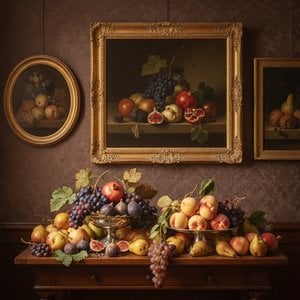
Discover the profound beauty of fruit still life paintings. Explore the rich symbolism, Baroque mastery, and timeless allure of nature's bounty through an art-historical lens, perfect for collectors and enthusiasts of classical fine art.


 미리보기
미리보기
 공유하기
공유하기 공유하기
공유하기
 상세 정보
상세 정보

 다운로드
다운로드
 유사 작품
유사 작품 X-레이
X-레이 슬라이드 쇼
 통계 정보
통계 정보 더 보기
더 보기









 유리 옵션은 110cm 미만 크기에서만 선택 가능합니다.


